
 Lina Hope

 Jia Lissa
 Pevita Pearce

 Ammar Sabilarrohman

 Azzam Bilal Chamdy
Introduction: The Crisis of Infrastructure
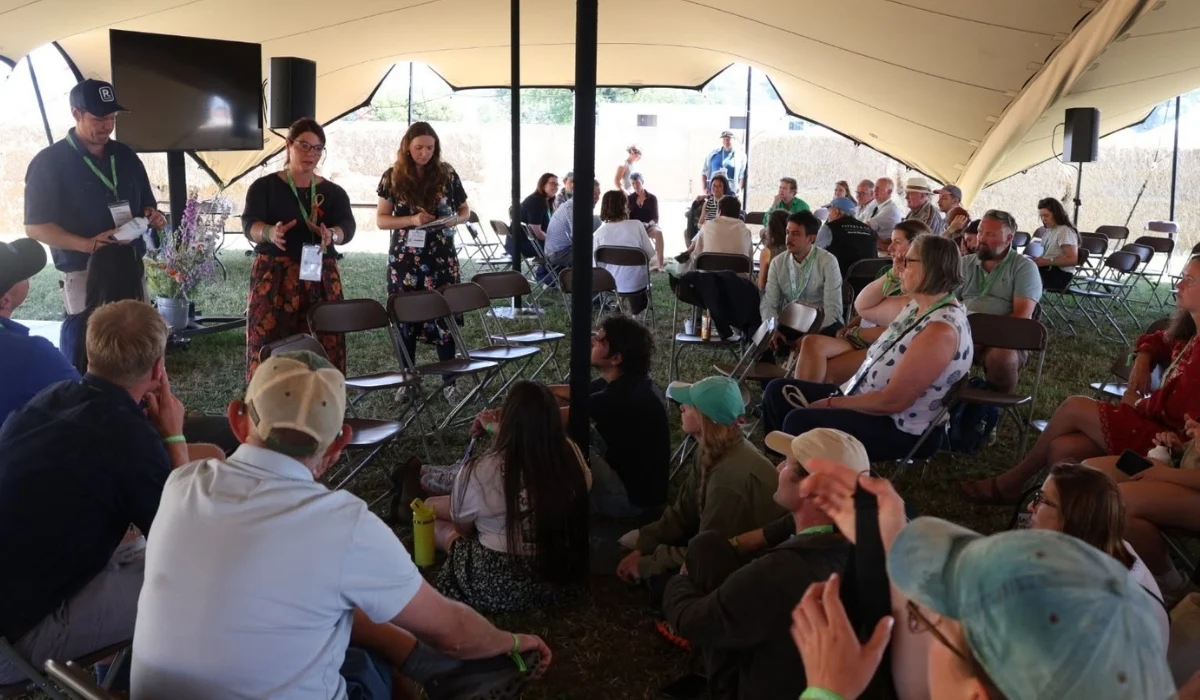
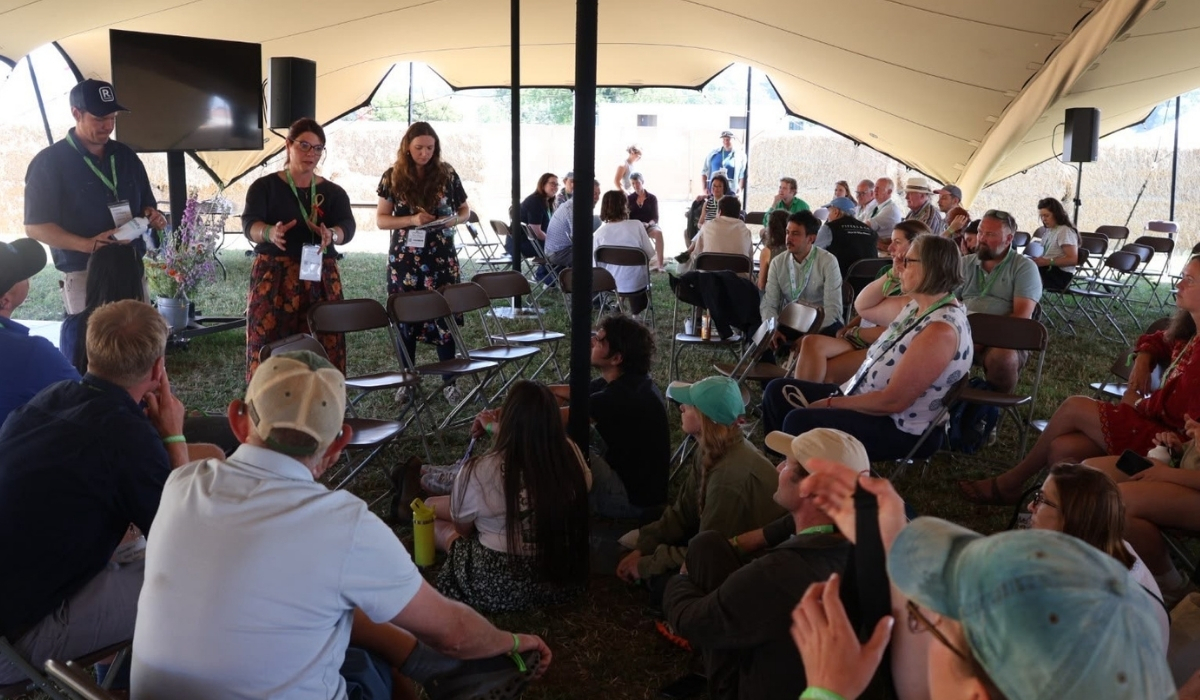
The resilience of the UK’s food system is inextricably linked to the vitality of its local processing infrastructure. At Groundswell 2026, the Sustainable Food Trust (SFT) took center stage to address a critical bottleneck in the agricultural supply chain: the precipitous decline of small, local abattoirs. Chaired by Megan Perry, SFT’s Head of Policy and Campaigns, the session, titled "Solutions for Local Slaughter: Small Abattoirs in Local Meat Supply Chains," served as a high-level summit for farmers, policymakers, and industry experts.
As large-scale industrial slaughterhouses consolidate, small-scale producers—particularly those focused on regenerative, high-welfare, and pasture-fed livestock—find themselves in an "infrastructure desert." The loss of local facilities forces farmers to transport animals over vast distances, increasing costs, diminishing meat quality, and negating the environmental benefits of sustainable farming. This article synthesizes the expert discussions from Groundswell, outlining a roadmap for the future of decentralized meat processing.
Chronology of the Debate: From Decline to Renaissance
The conversation at Groundswell did not occur in a vacuum. It was the culmination of years of advocacy by groups like the Abattoir Sector Group (ASG).
- The Era of Consolidation: Over the past two decades, the UK saw a systematic closure of small abattoirs due to stringent regulatory compliance costs, the aging out of skilled labor, and shifting market dynamics that favored high-volume, centralized processing.
- The Turning Point: The pandemic and subsequent supply chain disruptions acted as a catalyst, exposing the fragility of the "just-in-time" industrial meat model. Farmers began to pivot toward direct-to-consumer sales, but found the lack of local slaughter facilities to be a near-insurmountable barrier.
- Groundswell 2026: The session represented a shift from problem identification to solution-oriented strategy. By bringing together stakeholders, the SFT sought to professionalize the "small abattoir movement," moving from a fringe concern to a central pillar of regional food security.
Supporting Data and The Economic Reality
The economic case for small abattoirs is nuanced. While they cannot compete with industrial giants on cost-per-unit, they provide high-value services that industrial plants ignore.
The Cost of Transport
Data presented during the session highlighted that livestock transport is the most significant welfare risk and carbon contributor in the supply chain. For small producers, the distance to an abattoir often exceeds two hours, causing stress to the animals and resulting in "dark cutting" meat, which reduces market value.
Funding and Business Viability
A key theme of the breakout sessions was the necessity of "niche survival." Participants noted that small abattoirs must function as service providers for local farmers rather than just meat retailers.
- Capital Expenditure: The initial costs of setting up a facility are prohibitive. The panel discussed the importance of blended finance models, where local councils, private grants, and collective farmer cooperatives share the risk.
- Business Structure: Moving away from sole proprietorships toward social enterprises or cooperative models was identified as a primary strategy to ensure long-term stability.
Official Responses and Regulatory Hurdles
One of the most contentious topics at the summit was the burden of regulation. The Food Standards Agency (FSA) and the regulatory framework surrounding Official Veterinarians (OVs) were central points of discussion.
The Role of Official Veterinarians
The availability of OVs is a chronic issue. Small abattoirs often struggle to secure consistent veterinary presence, which is a legal requirement for operation. The session explored:
- Flexibility in Scheduling: Suggestions were made for a more regionalized approach to veterinary deployment.
- Remote Supervision: Could technology allow for remote inspection in certain areas? The consensus was cautious, emphasizing that physical oversight remains vital for welfare standards.
Regulatory Proportionality
Participants argued that current regulations are designed for high-throughput industrial plants and are disproportionately punitive for small businesses. There is a pressing need for a "risk-based" regulatory framework that recognizes the difference between a facility processing 500 animals a week and one processing 50.
Implications: Building the "Playbook" for the Future
The SFT highlighted a critical resource: the "Playbook" developed by Claire White. This document serves as a blueprint for those seeking to establish or rescue a local abattoir. It covers the technical, legal, and operational hurdles that often cause projects to fail in their infancy.
The Case of the North Cotswold Abattoir
The session specifically analyzed the North Cotswold Abattoir as a case study in resilience. Its survival has been a beacon for other regions. The key takeaway from this case was that local abattoirs must integrate themselves into the local economy by providing additional services, such as:
- Cutting and Packing: Keeping the value-add within the region.
- Direct Marketing Support: Partnering with farmers to provide "farm-to-fork" traceability, which justifies a price premium for the consumer.
Mobile Abattoirs: The "Silver Bullet"?
A significant portion of the discussion was dedicated to mobile slaughter units (MSUs). Proponents argue that MSUs solve the transport problem entirely by bringing the service to the farm.
- The Technical Challenge: While promising, MSUs face severe regulatory hurdles regarding waste management and health and safety on farm sites.
- The Economic Reality: The operational overhead of an MSU, combined with low throughput, makes them difficult to run profitably without significant public subsidy or a high-margin business model.
Poultry and Game: A Different Beast
The regulation governing poultry and game differs significantly from red meat, offering a potential "entry point" for new operators. The session concluded that many farmers could establish small-scale poultry processing units with lower capital requirements, providing an immediate opportunity to improve local food supply chains while waiting for the more complex red meat infrastructure to stabilize.
Conclusion: The Path Forward
The Groundswell 2026 session underscored that the path to a sustainable, local meat supply chain is not merely a matter of logistics; it is a matter of policy, collaboration, and cultural shift.
The implications of failing to act are clear: the further consolidation of the meat industry will continue to marginalize small-scale, regenerative farmers, leading to a loss of agricultural diversity and a detachment between the public and their food source.
However, the roadmap is now clearer than ever. By leveraging the ASG’s "Small Abattoir Development Support" resources, forming regional cooperatives, and advocating for a more proportionate regulatory environment, the agricultural sector can begin to rebuild the vital infrastructure that connects our fields to our tables.
As Megan Perry emphasized in her closing remarks, the goal is not to replicate the industrial model on a smaller scale, but to create a network of resilient, community-focused facilities that honor animal welfare, prioritize meat quality, and secure the economic viability of the next generation of farmers. The work is difficult, the regulations are complex, and the funding is scarce—but as the turnout at Groundswell proved, the demand for change is undeniable.
Quick Reference for Stakeholders
- Primary Resource: ASG Small Abattoir Development Support
- Key Focus Areas: Reducing transit times, securing OV availability, and adopting cooperative business structures.
- Immediate Next Step: Consult the "Playbook" for a step-by-step guide on feasibility studies, planning permission, and regulatory compliance.
(Note: This article summarizes the proceedings of the Sustainable Food Trust session at Groundswell 2026. For further details on the anonymized breakout sessions and specific technical reports, please contact the SFT policy department directly.)

 Nila Kartika Wati