Nana Wu

 Dwi Wanna

 Suro Senen

 Evan Lee Salim

 Siti Muinah
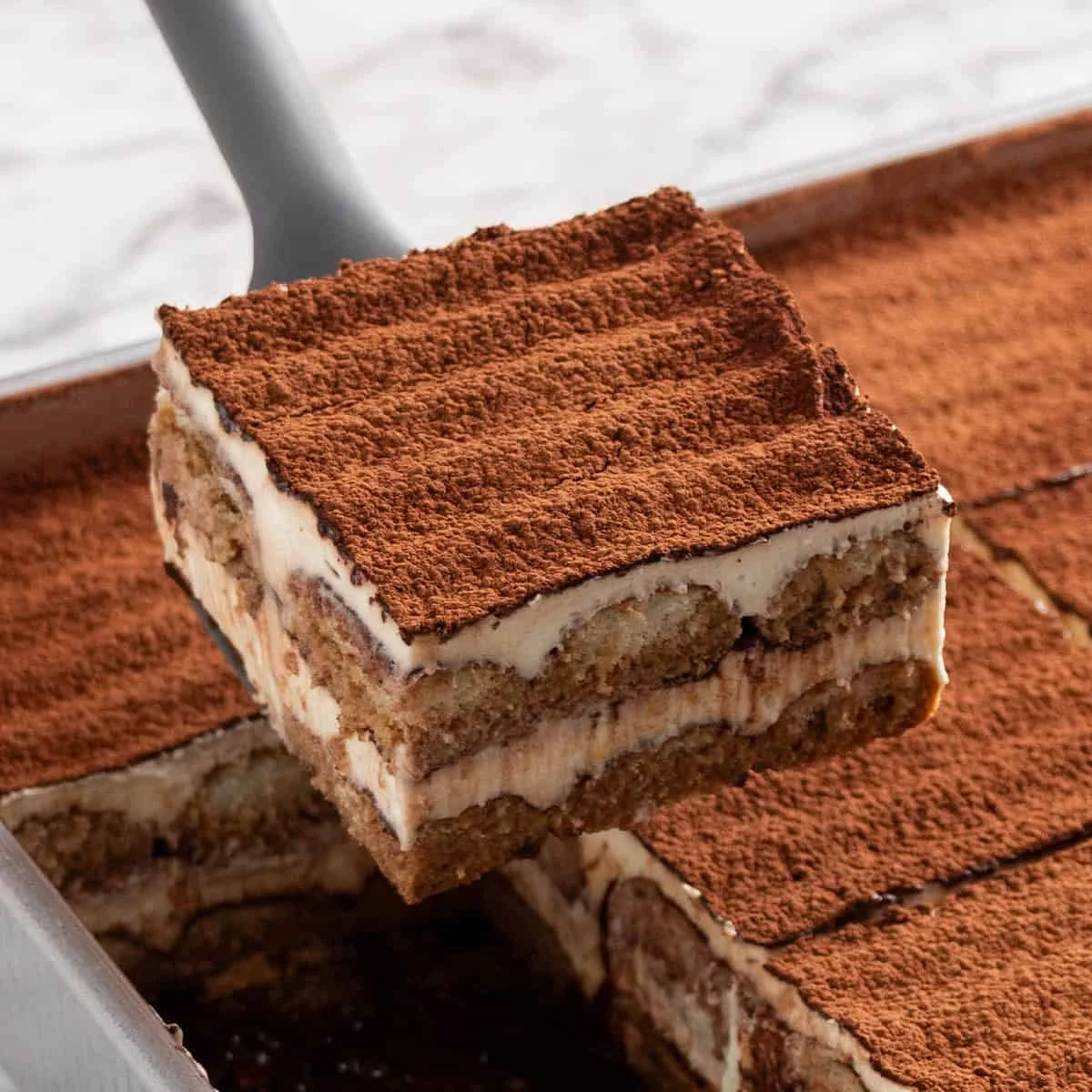
For decades, the Tiramisu has stood as the undisputed monarch of Italian desserts. A harmonious assembly of bitter espresso, delicate sponge, and velvet-smooth mascarpone, it is a dish that seems deceptively simple yet remains notoriously difficult to perfect. While culinary purists often demand adherence to historical recipes, modern bakers—led by experts like pastry chef and creator Nick Makrides—are finding that evolution can enhance, rather than diminish, the classic experience.
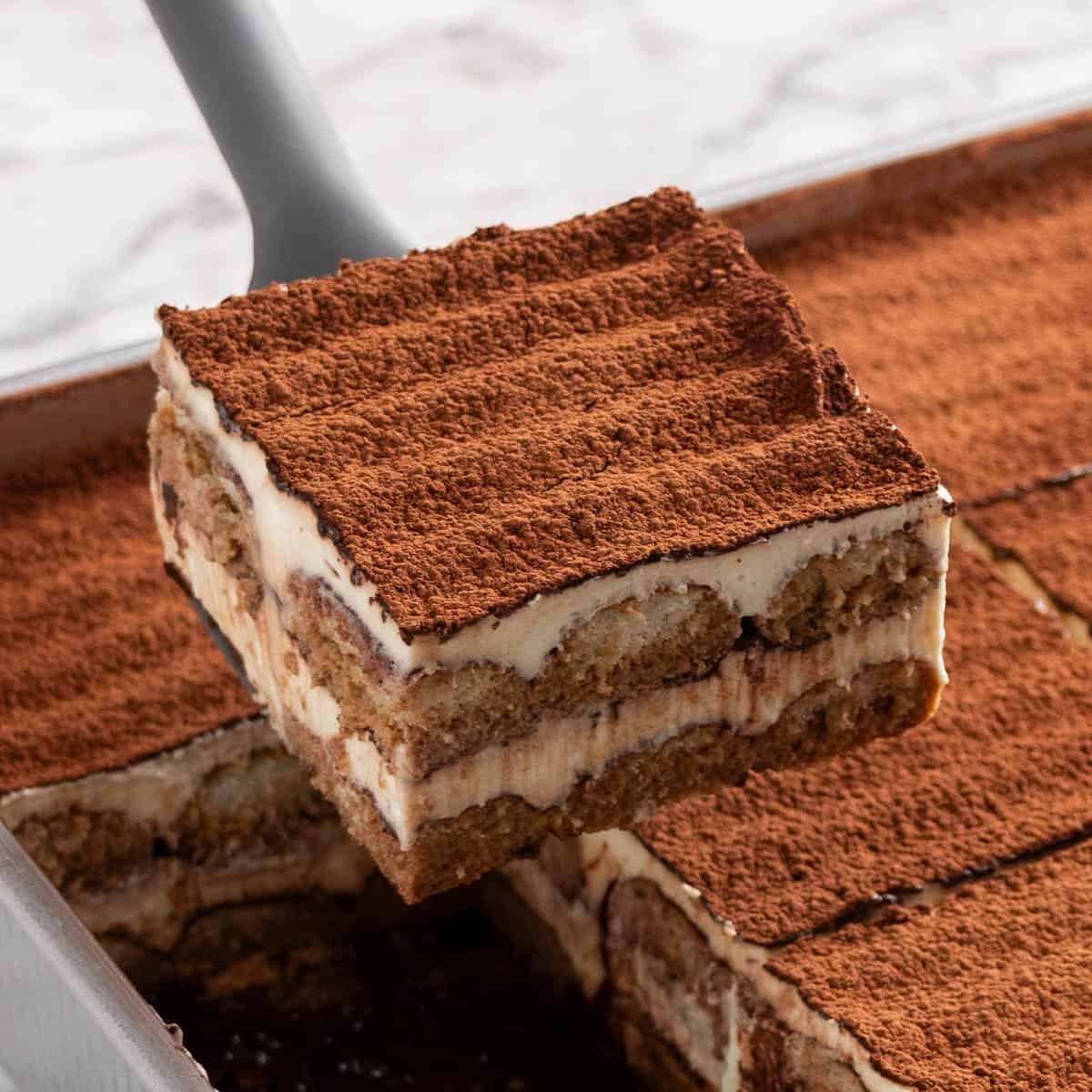
In this deep dive, we explore the nuances of constructing the perfect Tiramisu, the science behind the "perfect soak," and why a departure from tradition might just be the secret to a superior dessert.
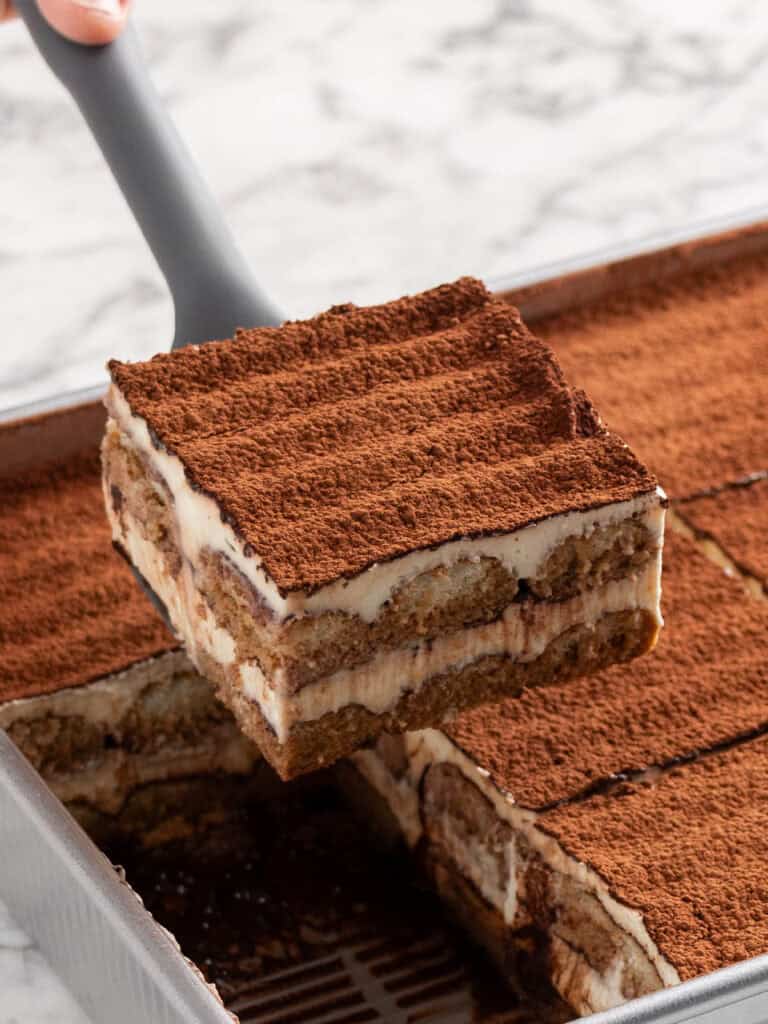
The Philosophy of the Modern Tiramisu
Tiramisu, which literally translates to "pick me up," relies on the marriage of three primary elements: the coffee, the cream, and the biscuit. Historically, Italian households utilized a base of raw egg yolks, sugar, and mascarpone, often omitting heavy cream to maintain a specific density.

However, contemporary testing suggests that the inclusion of whipped cream, when executed with technical precision, creates a dessert that is arguably more approachable and structurally sound for modern presentation. This "modern" approach does not aim to replace the classic; rather, it seeks to address common pitfalls, such as the dessert becoming overly dense, greasy, or difficult to slice for gatherings.
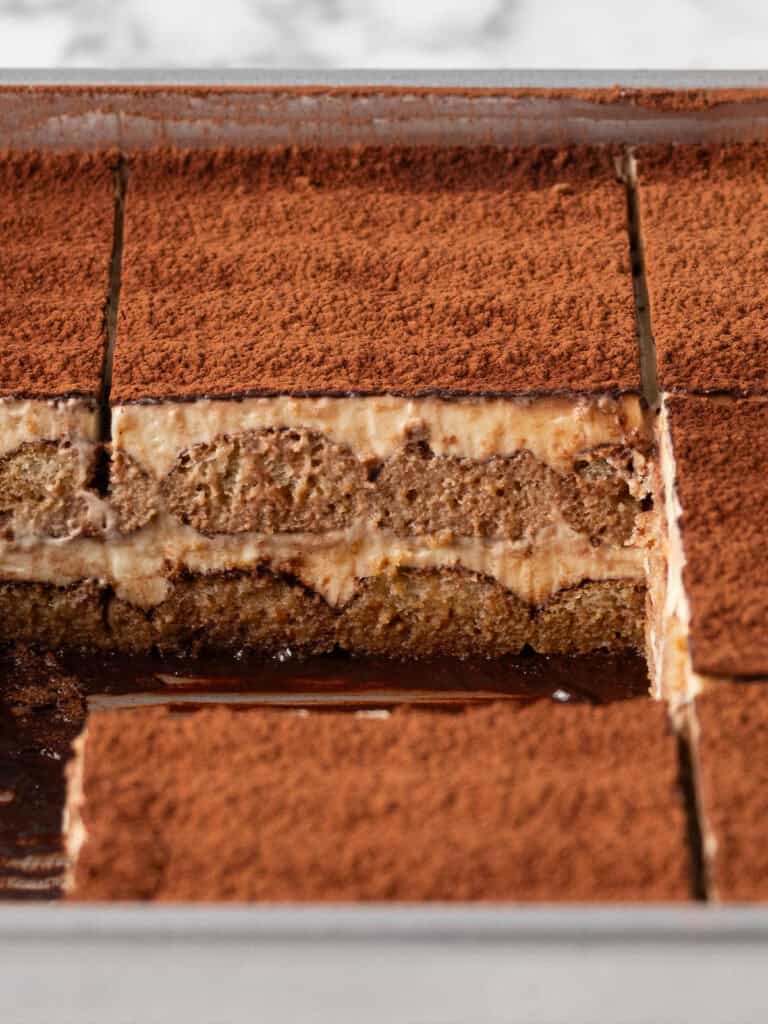
The goal, as outlined by Makrides, is to achieve a "melt-in-your-mouth" texture that maintains enough structural integrity to hold a clean shape on a serving plate.
Chronology of Construction: A Step-by-Step Breakdown
Achieving a professional-grade Tiramisu is less about high-heat cooking and more about the assembly of cold, prepared components. The process is a methodical progression:
1. The Coffee Extraction (The Foundation)
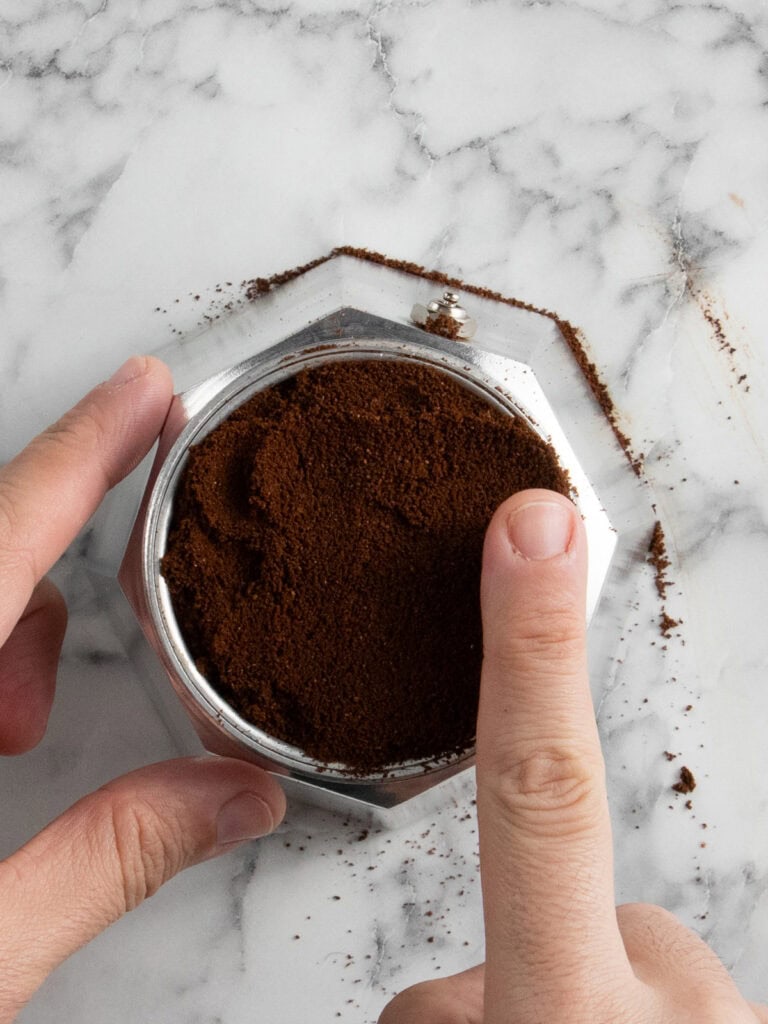
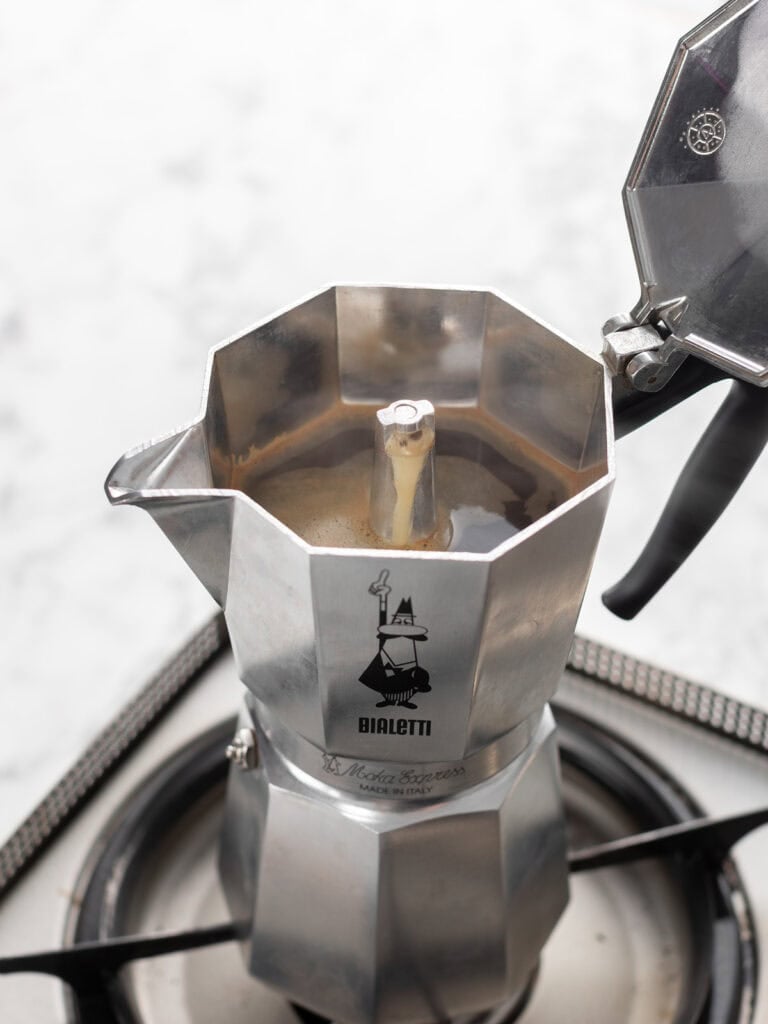
The heartbeat of the dessert is, undoubtedly, the coffee. While instant coffee is a common shortcut, it fails to provide the complex, aromatic profile required to cut through the richness of the mascarpone. The consensus among professionals is the use of a cafetera (Moka pot). By using high-quality ground beans and brewing with the precision of a stovetop percolator, one achieves a concentrated espresso that offers the necessary bitterness to balance the sugar.
2. The Syrup Infusion
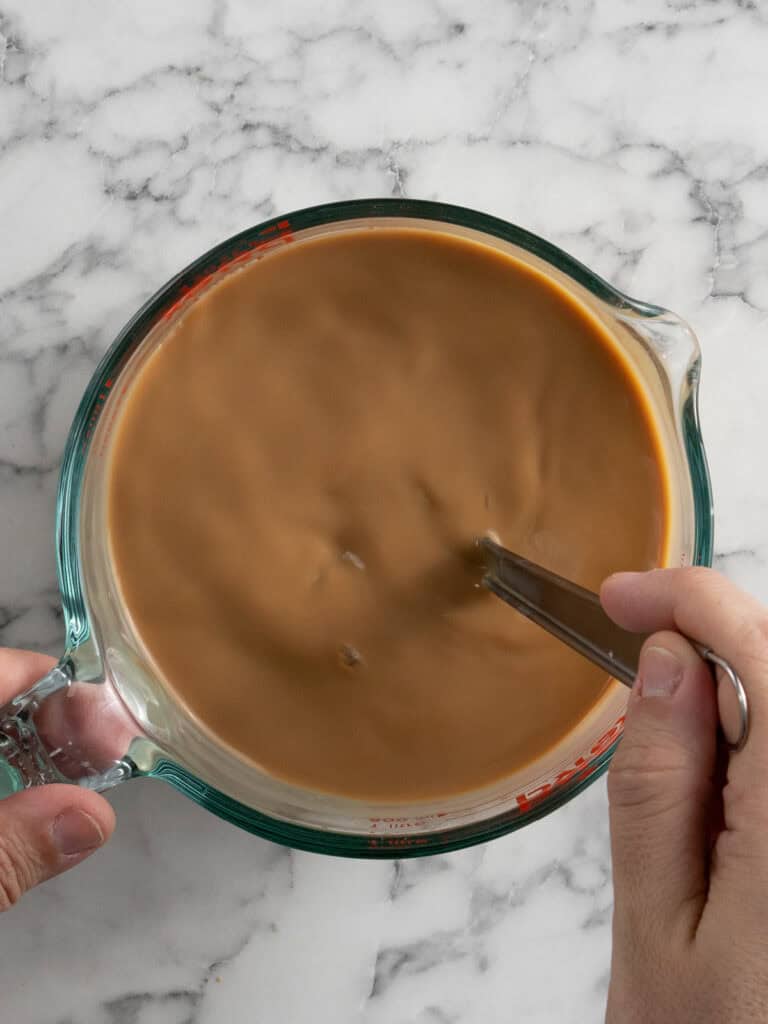
Once the espresso is pulled, it is transferred to a heat-proof vessel. Here, sugar is dissolved into the hot liquid. Many modern iterations, including the one favored by The Scran Line, incorporate a touch of milk or cream into the syrup. This addition serves two purposes: it softens the aggressive acidity of the espresso and adds a secondary layer of creaminess that permeates the sponge fingers from the inside out.
3. The Mascarpone Emulsion
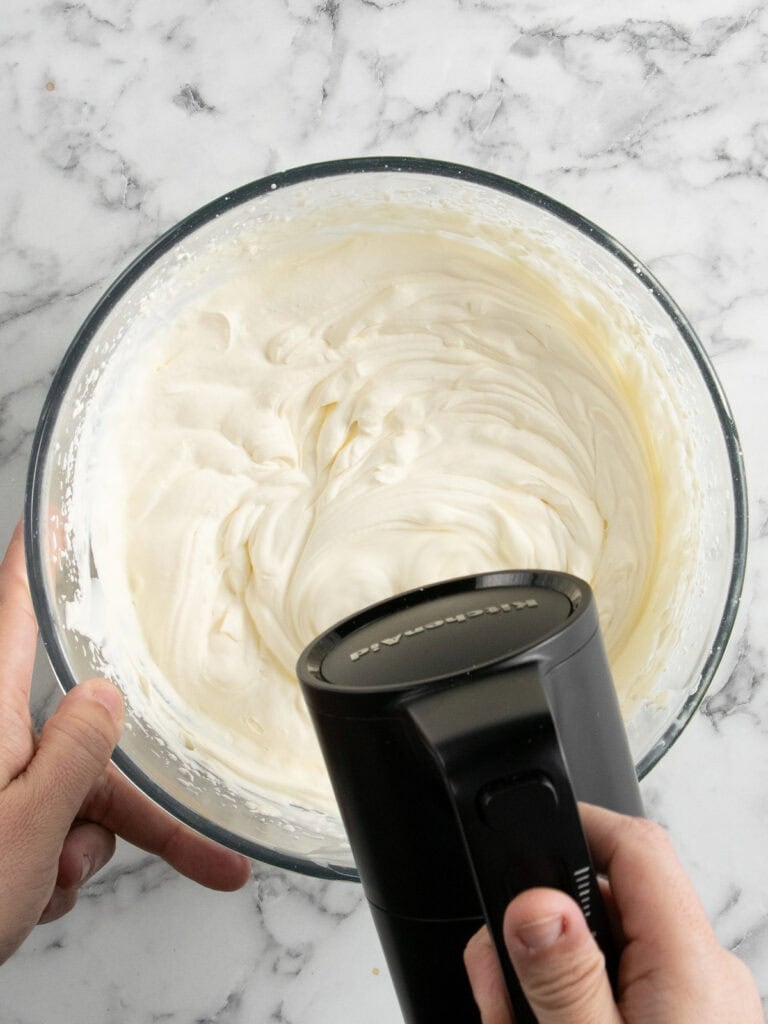
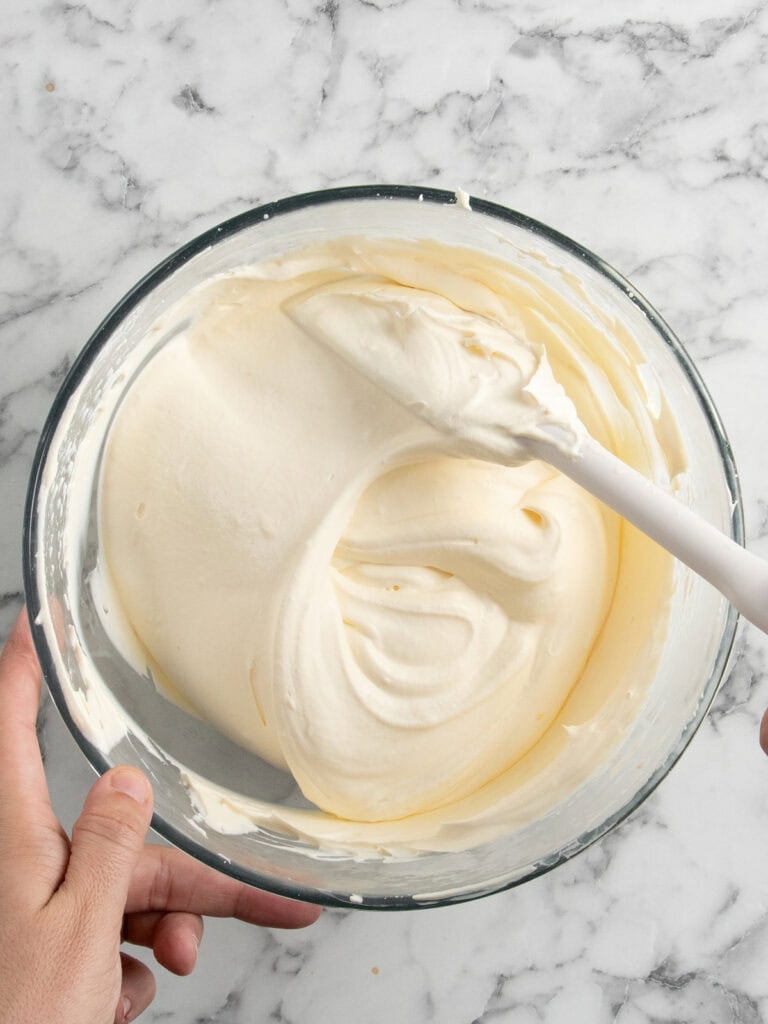
The cream layer is where most amateur bakers falter. The secret lies in whipping the mascarpone and heavy cream to "stiff peaks." This stage is critical; if the mixture is too soft, the dessert will weep and lose its shape. If over-whipped, the fat can separate, leading to a grainy texture. The incorporation of egg yolks provides the classic richness, though it necessitates careful handling regarding food safety—an issue addressed by the rise of pasteurization techniques.
4. The Layering Technique
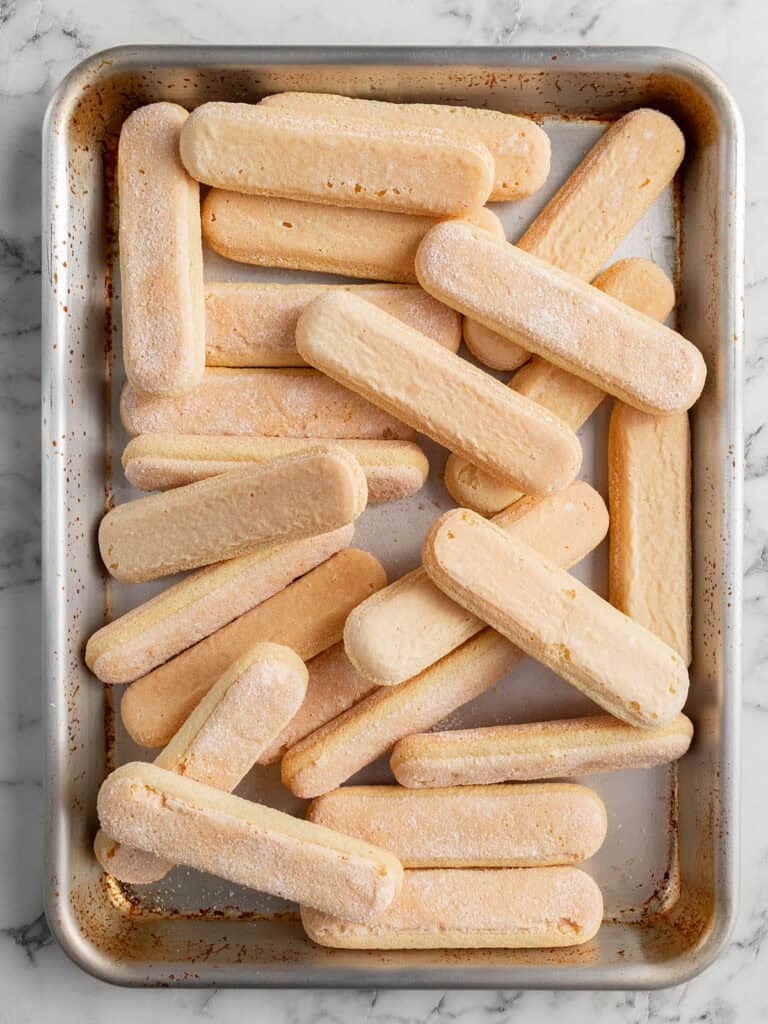
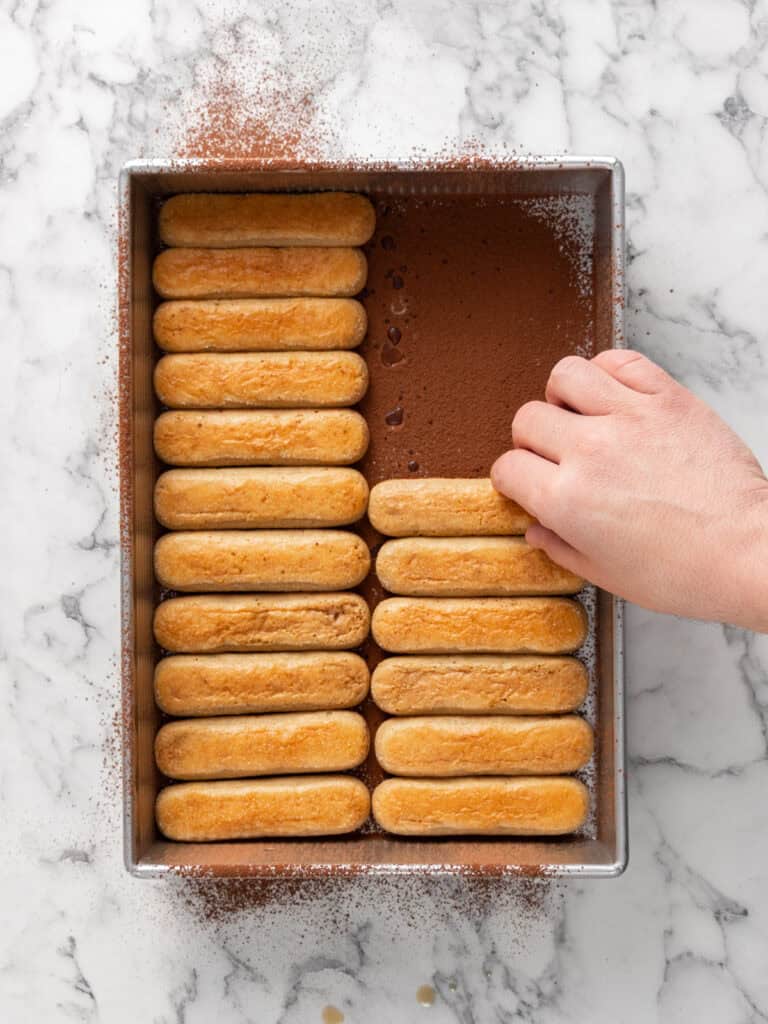
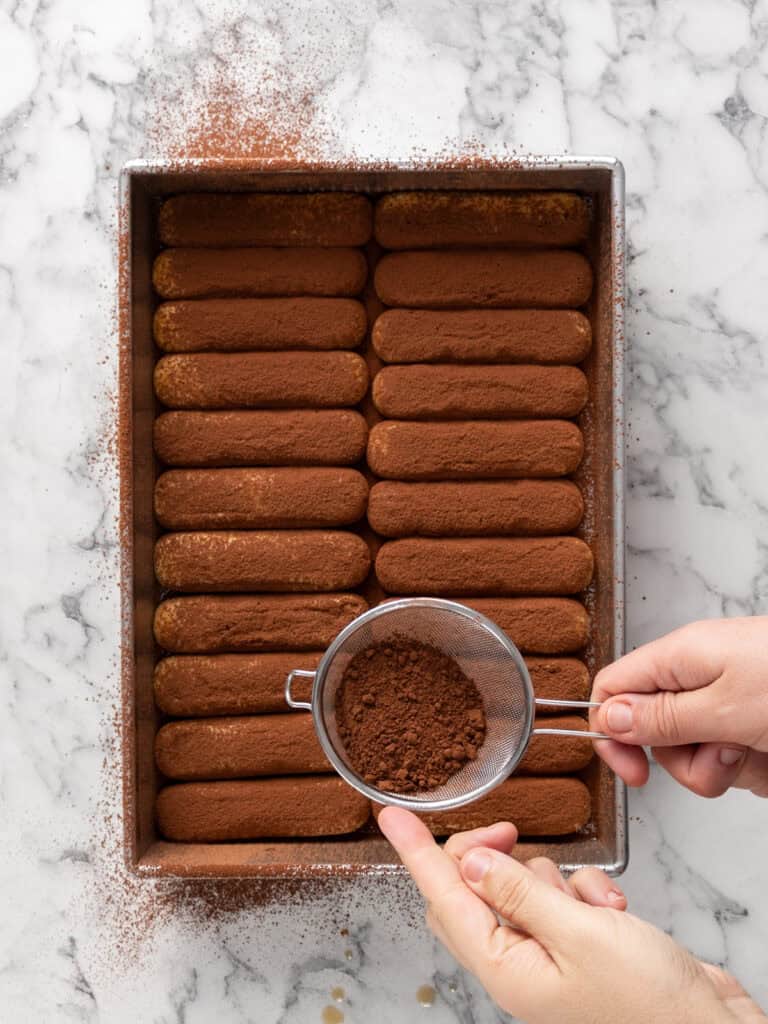
The assembly is a game of patience. A thin layer of cream at the base of the tin acts as a sealant. Then comes the "dunking" of the Savoiardi (sponge fingers). The timing of this soak is the single most significant factor in the final result. A quick, one-second dip is often sufficient; any longer and the biscuit loses its structure, turning into a mushy slurry rather than a distinct layer.

Supporting Data: Why "Store-Bought" Often Wins
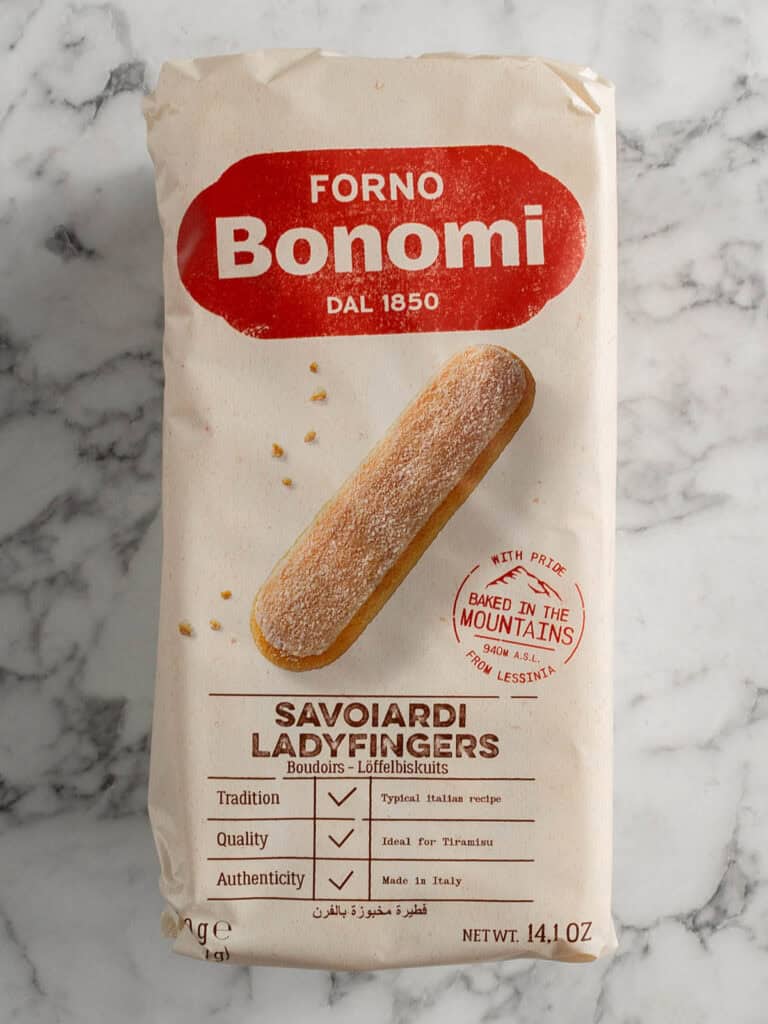
A recurring point of contention in professional kitchens is the debate between house-made versus store-bought sponge fingers. While the instinct of the artisanal baker is to bake from scratch, data from consistent testing reveals a surprising outcome: store-bought Savoiardi are superior for Tiramisu.
The industrial drying process of store-bought biscuits renders them more porous and stable. They possess the exact cellular structure required to absorb the espresso syrup without disintegrating. Homemade versions, often softer and more cake-like, tend to collapse under the weight of the mascarpone, resulting in a dessert that loses its defined layers.
Addressing Safety and Official Guidelines
The inclusion of raw eggs in traditional Tiramisu recipes has long been a subject of debate in health-conscious kitchens. While fresh, high-quality eggs are generally considered safe in many regions, the risk of Salmonella remains a legitimate concern for vulnerable populations, including the immunocompromised, the elderly, and pregnant individuals.
Professional kitchens now frequently employ the "sous-vide" method or gentle stovetop heating to pasteurize egg yolks without curdling them. By whisking the yolks over a bain-marie until they reach a safe internal temperature (typically around 160°F or 71°C), the baker achieves the safety of cooked eggs while retaining the luxurious, silk-like mouthfeel of raw yolks. This step is an essential modification for those serving the dessert in a commercial or public setting.
Implications for the Home Baker
The rise of the "modern" Tiramisu has significant implications for how we host and entertain. Because this dessert thrives on a "rest period"—ideally 12 to 24 hours in the refrigerator—it is arguably the most efficient make-ahead dessert available.
The "Resting" Science
During the time the Tiramisu spends in the refrigerator, a process called osmotic balancing occurs. The moisture from the cream and the syrup migrates into the biscuits, while the fats from the mascarpone stabilize. This is why a Tiramisu served immediately after assembly often tastes "unbalanced" or "sharp," while one served after 24 hours is cohesive, mellow, and deeply flavored.
Aesthetic Precision
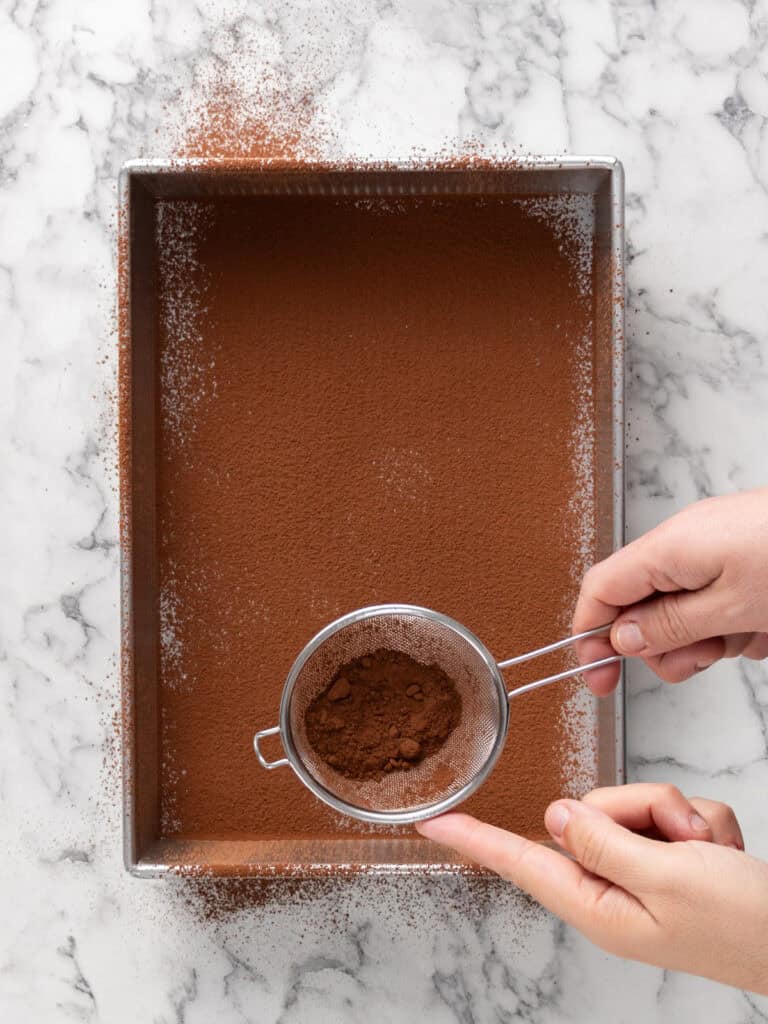
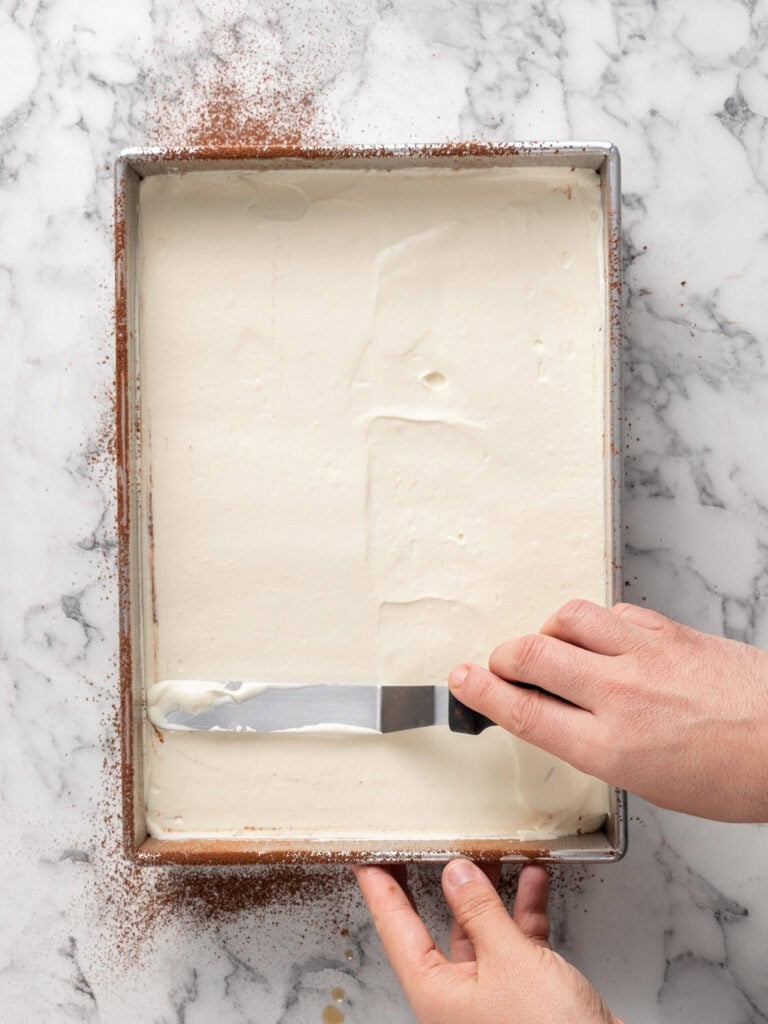
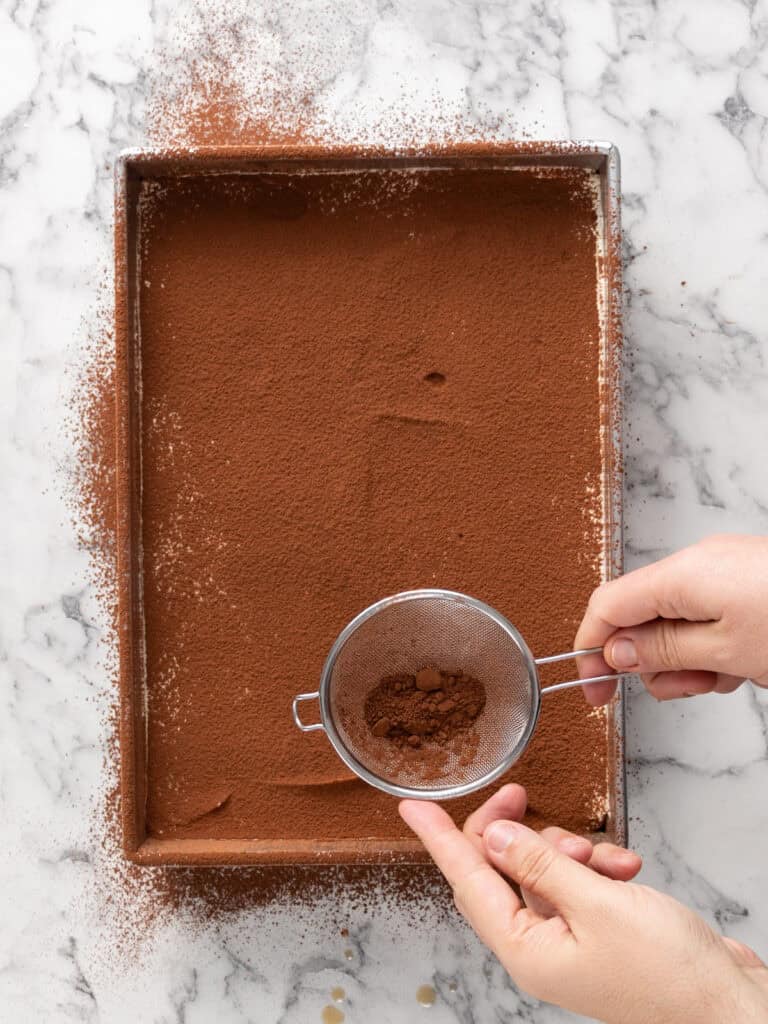
The modern era also demands visual appeal. Using a ridged cake scraper to create patterns in the cream layer, followed by a double-dusting of high-quality cocoa powder, transforms a rustic, home-style dish into a centerpiece. Furthermore, the practice of cleaning the edges of the baking tin with a damp paper towel before serving ensures that the layers are visible and sharp, mimicking the professional presentation of a high-end patisserie.
Conclusion: A Living Recipe
Ultimately, the Tiramisu is a living recipe. It is a dish that invites experimentation—whether it be the addition of a splash of coffee liqueur, the use of chocolate pastry cream for a richer profile, or the careful calibration of espresso strength.

As Nick Makrides notes, the "best" version of this dessert is one that balances respect for the fundamental ratios with the needs of the modern baker. By choosing the right biscuits, mastering the extraction of the coffee, and ensuring the stability of the cream, anyone can elevate this classic Italian staple from a simple household favorite to a sophisticated culinary achievement. The true test of a great Tiramisu is not in its adherence to a centuries-old rulebook, but in the final, unmistakable moment when the cream and coffee dissolve perfectly on the palate.

 Ali Ikhwan