 Jia Lissa
 Raul Delapena Setiawan

 Asro
 Layla Zulfa
 Sagoh
 Nana Wu
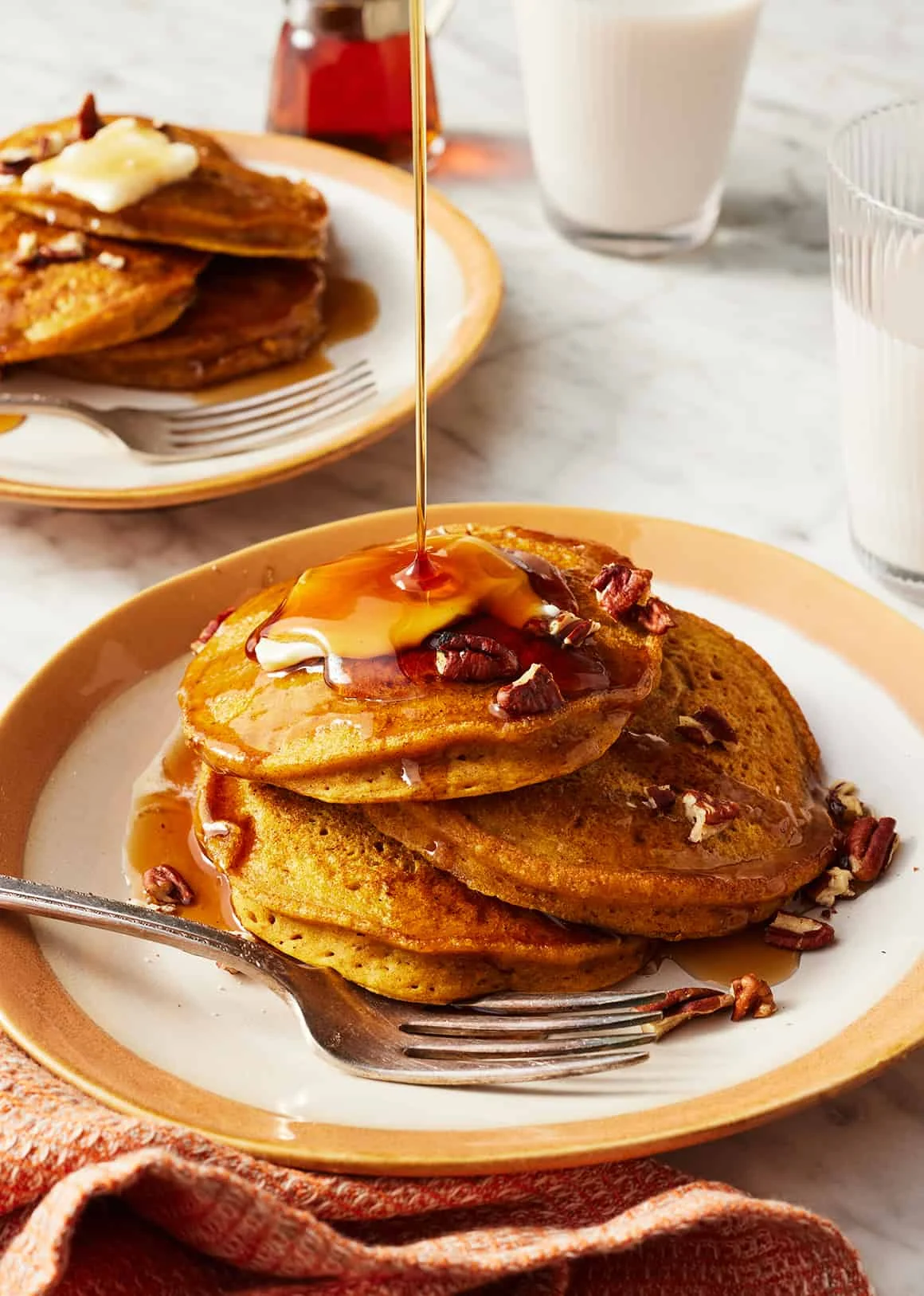
As the crisp air of autumn begins to settle and the morning frost dusts the landscape, the culinary world undergoes a seasonal transformation. For many, this shift is signaled not by the changing leaves, but by the return of the quintessential comfort food: the pumpkin pancake. Balancing the line between a nutritious breakfast and a decadent seasonal indulgence, this classic recipe has become a staple in modern kitchens, offering a warm, aromatic start to the day.
The Essence of Autumn: A Culinary Overview
The allure of the pumpkin pancake lies in its masterful blend of earthy sweetness and robust, warming spices. Unlike traditional flapjacks, which serve primarily as a blank canvas for syrups and berries, the pumpkin pancake is a flavorful entity in its own right. The inclusion of high-quality pumpkin puree provides a unique, moist crumb that is both satisfying and light, while a curated blend of cinnamon, ginger, and nutmeg evokes the nostalgic scents of the harvest season.
From a nutritional perspective, these pancakes offer more than just comfort. Pumpkin is a powerhouse of Vitamin A, providing essential nutrients that support immune health during the transition into colder months. When prepared with care, these pancakes represent a harmonious balance—providing enough caloric density to fuel a weekend of outdoor activity while remaining elegant enough for a slow, thoughtful brunch.

A Chronological Guide to the Perfect Stack
Achieving the perfect texture in a pumpkin pancake requires a structured, deliberate approach. Unlike standard pancake batter, which is relatively forgiving, the chemistry of pumpkin—a fruit high in moisture and fiber—requires a specific methodology to ensure that the final product is fluffy rather than dense.
Phase 1: Preparation and Mise-en-Place
The journey to the perfect stack begins well before the skillet is heated. Professional chefs emphasize the importance of "mise-en-place"—having all ingredients measured and prepared. It is vital that dairy components, specifically milk, are brought to room temperature. This is a critical, often overlooked detail; if milk is added cold to the batter, the fats (butter or oil) can solidify, resulting in an uneven, lumpy texture that prevents the pancakes from rising into a light, airy stack.
Phase 2: The Art of the Batter
The mixing process is the most pivotal moment in the pancake’s creation. By maintaining two distinct bowls—one for dry ingredients (flour, leavening agents, and spices) and one for wet (puree, eggs, and milk)—the cook can control the development of gluten. When combining the two, the golden rule is restraint. Over-mixing is the enemy of the pancake; a few stubborn lumps in the batter are not only acceptable but encouraged. These small pockets of flour ensure that the interior remains tender rather than rubbery.

Phase 3: The Thermal Management of the Skillet
The cooking phase requires a steady, moderate hand. A nonstick skillet or a well-seasoned cast iron pan should be preheated over medium-low heat. The use of a high-smoke-point fat, such as clarified butter or a neutral oil, ensures a golden-brown crust without the bitterness of burnt lipids. Pouring one-third of a cup of batter per pancake allows for an even spread, and the visual cue of small bubbles forming on the surface signifies the perfect moment for the flip.
Supporting Data: The Science of the Seasonal Breakfast
When examining the nutritional profile of this breakfast staple, the data reveals a surprisingly balanced macronutrient distribution. A single serving—calculated as one pancake from a standard ten-pancake batch—contains approximately 138 calories.
Macronutrient Breakdown
- Total Fat: 4g (6% Daily Value)
- Sodium: 238mg (10% Daily Value)
- Carbohydrates: 23g (8% Daily Value)
- Protein: 4g (8% Daily Value)
The inclusion of pumpkin significantly boosts the Vitamin A content, which, at roughly 2,031 IU per serving, contributes to 41% of the daily recommended value. This high micronutrient density distinguishes the pumpkin pancake from standard refined-flour alternatives, offering a functional health benefit alongside its sensory appeal.

The Expert Consensus: Culinary Best Practices
Culinary experts and home-cooking enthusiasts alike agree that the secret to a superior pumpkin pancake lies in the quality of the pumpkin puree. While fresh, roasted pumpkin provides an unparalleled depth of flavor and a slightly nutty profile, high-quality canned puree remains the industry standard for consistency.
"The goal is to achieve moisture without sacrificing the structural integrity of the cake," says a leading culinary consultant. "By limiting the puree to roughly half a cup per batch, the home cook avoids the ‘heavy’ texture that often plagues amateur attempts. The ratio of leavening agent to moisture is the difference between a pancake and a soggy flapjack."
Further, the consensus on toppings has shifted. While maple syrup remains the traditional accompaniment, modern interpretations often include a dollop of Greek yogurt or a sprinkle of toasted pecans to add a textural contrast to the soft, spiced interior of the cake.

Implications for Modern Meal Planning
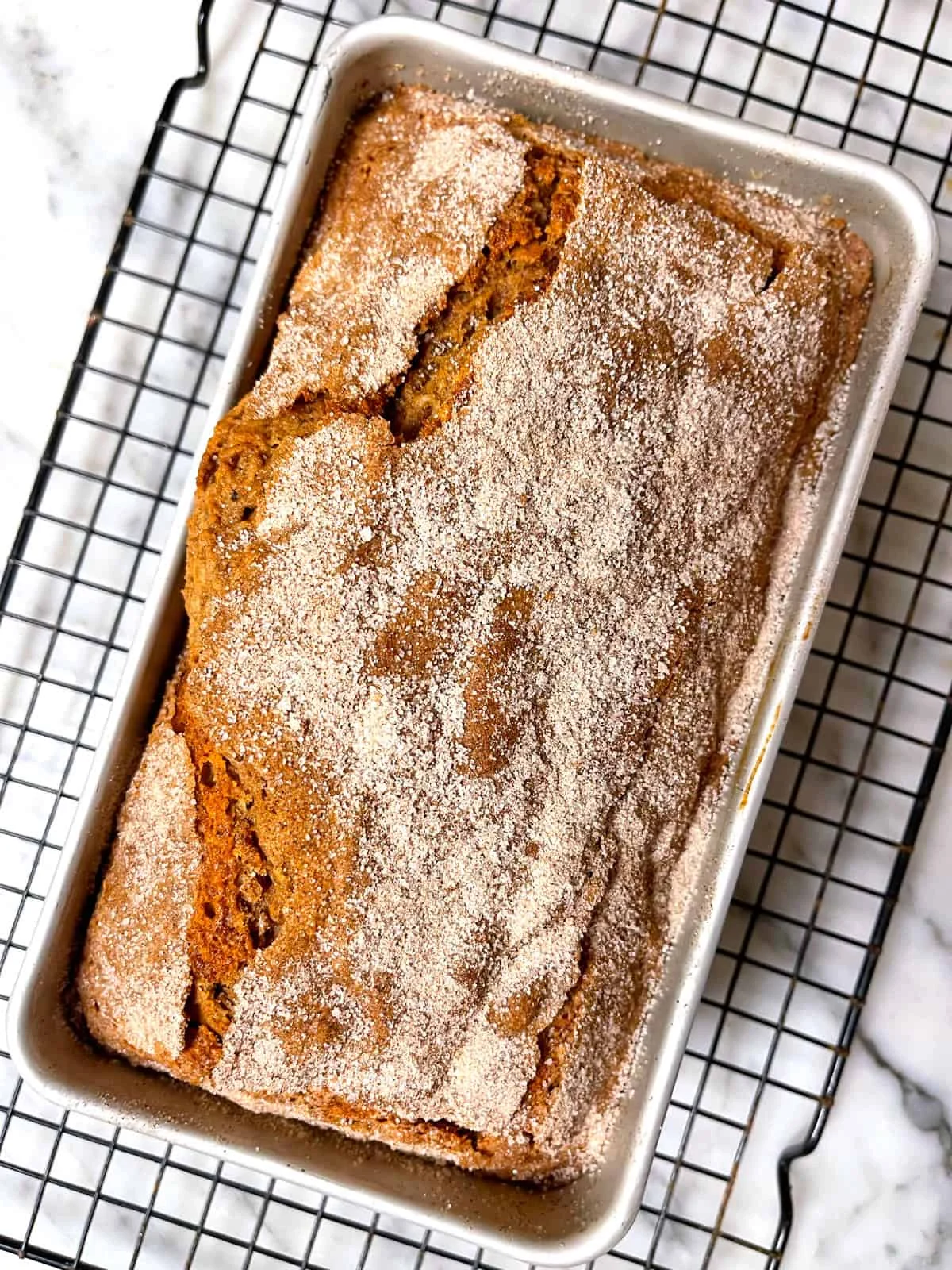
The inclusion of pumpkin pancakes into a weekly meal plan has significant implications for both waste reduction and kitchen efficiency. Because a standard recipe rarely utilizes an entire can of pumpkin, the home cook is presented with a culinary opportunity. Rather than discarding the remaining puree, it can be seamlessly integrated into secondary dishes such as pumpkin muffins or a dense, spiced pumpkin cake.
Furthermore, the versatility of this dish extends to its storage. Pumpkin pancakes are one of the few breakfast items that freeze exceptionally well. By allowing the cooked pancakes to reach room temperature before sealing them in an airtight container, they can be preserved for up to three months. This "make-ahead" potential transforms a labor-intensive weekend project into a convenient, five-minute weekday breakfast that can be quickly reheated in a microwave or toaster oven.
Conclusion: A Ritual Worth Preserving
The pumpkin pancake is more than just a recipe; it is a ritualistic anchor for the autumn season. It invites the home cook to slow down, to engage with the sensory details of baking—the scent of nutmeg, the sizzle of butter, the deep amber hue of the batter—and to share that experience with others.

As we move through the seasons, the importance of these small, domestic comforts cannot be overstated. By mastering the delicate balance of ingredients and the precise techniques of the griddle, the home cook does not merely produce a meal; they curate an atmosphere of warmth and intentionality. Whether served on a crisp October morning with a steaming pumpkin spice latte or enjoyed as a quick, frozen-then-reheated snack on a Tuesday, the pumpkin pancake remains the undisputed monarch of the fall breakfast table.
With the right approach, the perfect stack is always within reach, providing a consistent, nourishing, and deeply satisfying start to any day.

 Ali Ikhwan