Nana Wu

 Dwi Wanna

 Suro Senen

 Evan Lee Salim

 Rifan Muazin
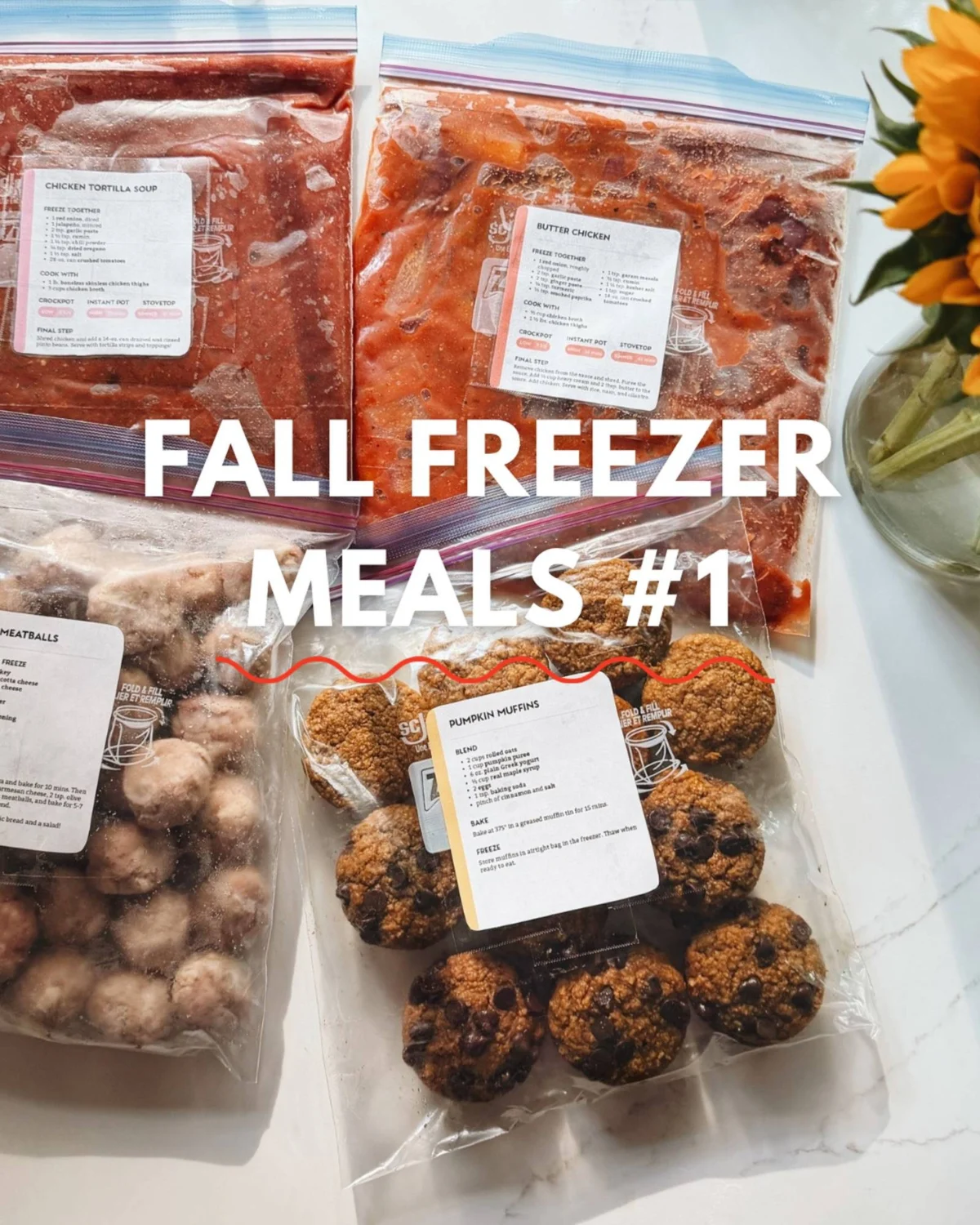
As the crisp air of September descends and the frantic pace of the school year sets in, the challenge of maintaining a wholesome, home-cooked diet becomes increasingly difficult for the modern household. For many, the transition from summer’s leisure to autumn’s structure brings a surge in scheduling conflicts—ballet lessons, sports practices, and back-to-back work meetings.
In response to this perennial struggle, culinary experts and home management enthusiasts are increasingly turning toward the "Mini Freezer Stash" method. This strategic approach to meal preparation aims to eliminate the daily "what’s for dinner" dilemma by leveraging the freezer as a powerful tool for time management and nutritional consistency. By dedicating a small amount of time to batch-assembling meals, families can ensure that high-quality, comforting, and nutrient-dense food is always just minutes away.
The Evolution of Meal Prepping: From Bulk to "Mini"
The traditional concept of meal prepping often conjures images of spending an entire Sunday afternoon in the kitchen, surrounded by mountains of Tupperware and hundreds of dollars in groceries. While effective, this "mega-prep" model is frequently cited as a primary reason for burnout among home cooks.
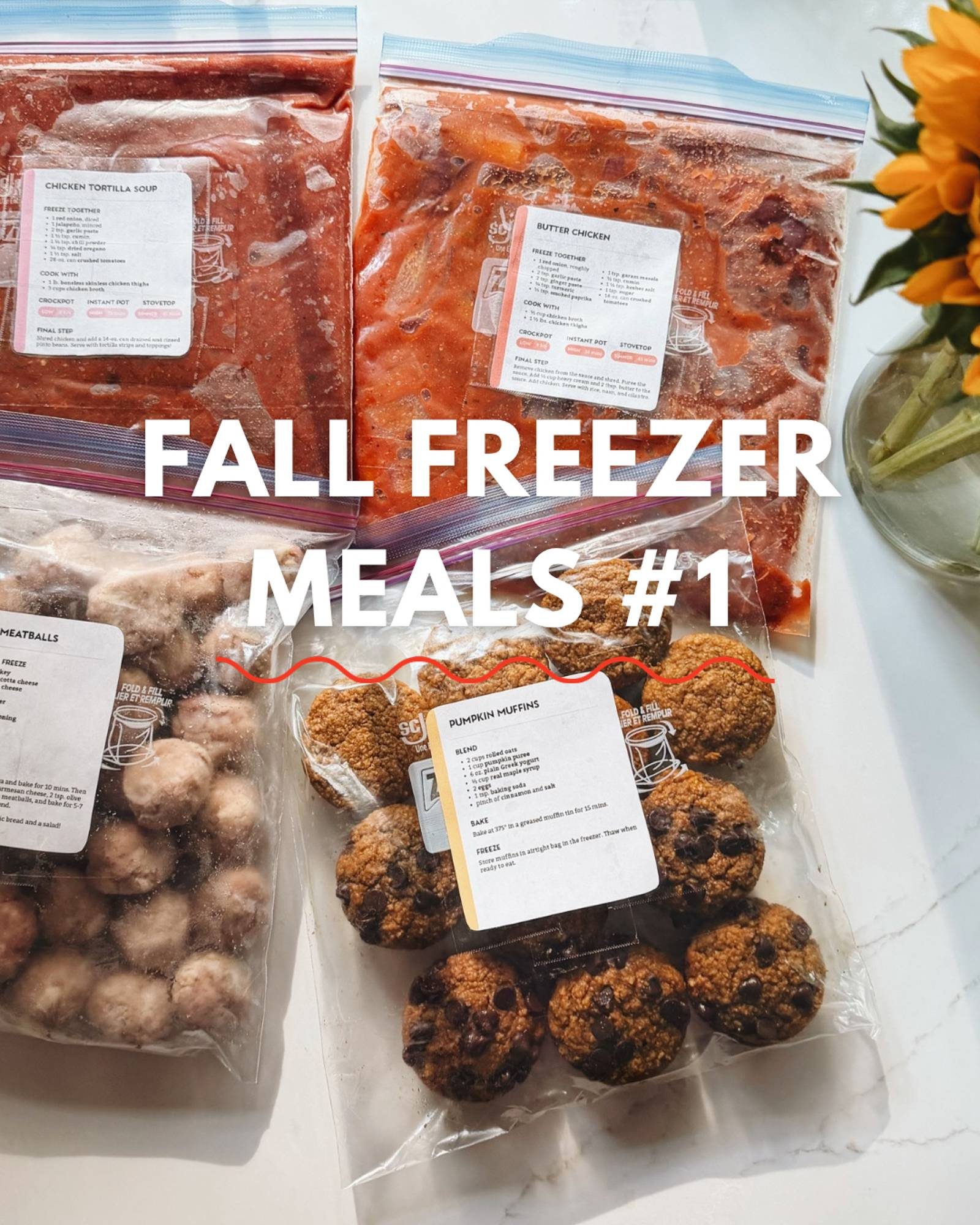
The "Mini Freezer Stash" approach is a professional pivot toward efficiency. By focusing on a smaller, curated collection of recipes—typically three to four foundational meals—the workload becomes manageable. This methodology emphasizes the "assemble and freeze" technique: combining raw or par-cooked ingredients into freezer-safe bags, removing excess air, and sealing them for future use. The result is a library of dinner options that require minimal active effort when the time comes to eat.
Chronology: The Step-by-Step Execution of a Stash
For those looking to adopt this system, the process is streamlined into three distinct phases: the sourcing phase, the assembly phase, and the execution phase.
Phase 1: Procurement and Preparation
The secret to a successful stash lies in the quality of ingredients. September’s seasonal shift calls for robust, warming profiles. Professional organizers suggest checking your pantry for staples—spices, canned tomatoes, and legumes—before heading to the store. The primary goal here is to select meals that maintain their texture and flavor profile after being frozen and thawed.
Phase 2: The Assembly Line
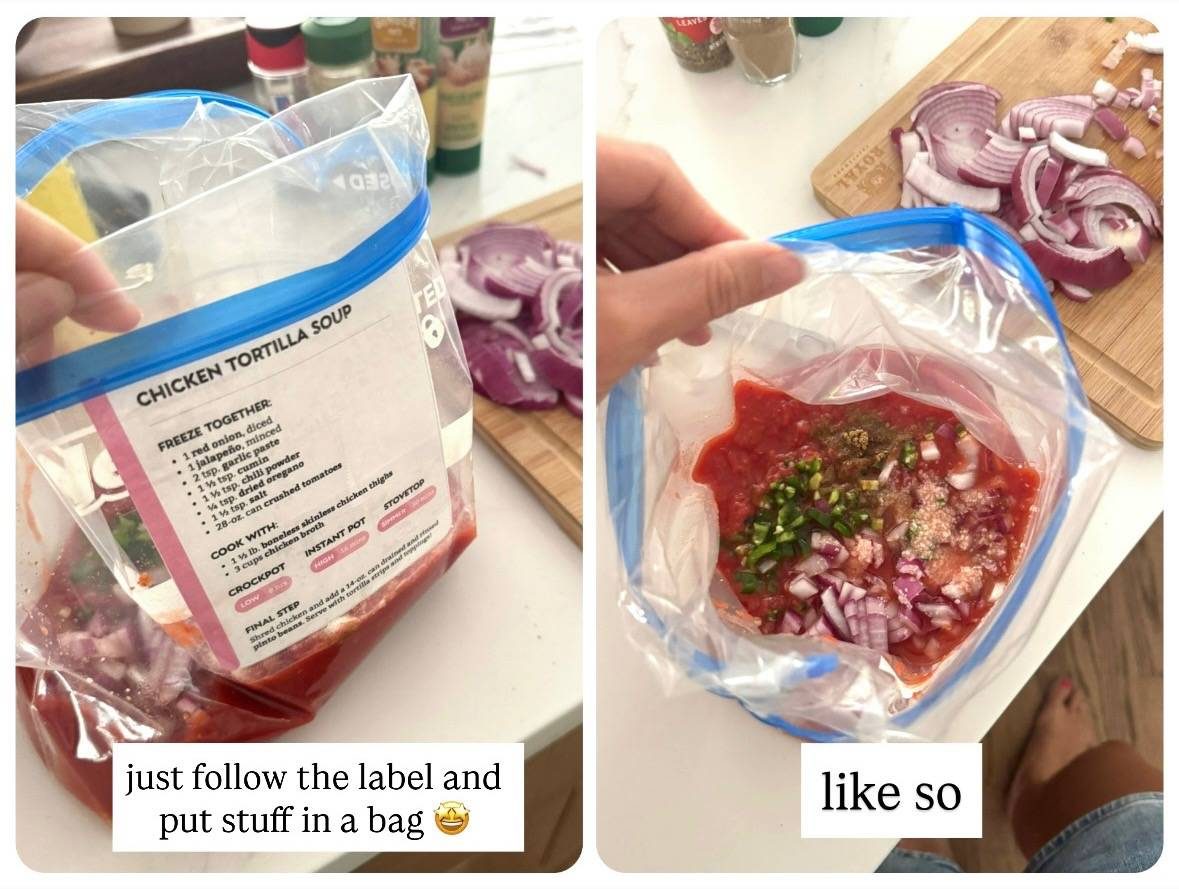
Efficiency is maximized by treating the kitchen like a professional prep station. Gather all necessary ingredients, bags, and labeling markers before beginning.
- Labeling: Always label your bags with the recipe name and the date of preparation.
- Portioning: Divide ingredients into bags based on your household size.
- The Freeze: Ensure bags are laid flat in the freezer. This allows for easier storage (stacking them like books) and promotes faster, more even thawing.
Phase 3: The Reheat and Serve
Depending on the dish, the final step usually involves a slow cooker, an Instant Pot, or a conventional oven. The beauty of this method is that the "work" has already been completed; the final phase is merely about heating the components to a safe, palatable temperature.
Core Recipes for the Autumn Season
To provide a framework for readers, we have outlined four high-performance recipes designed for the September freezer stash.
1. The Blender Pumpkin Muffin
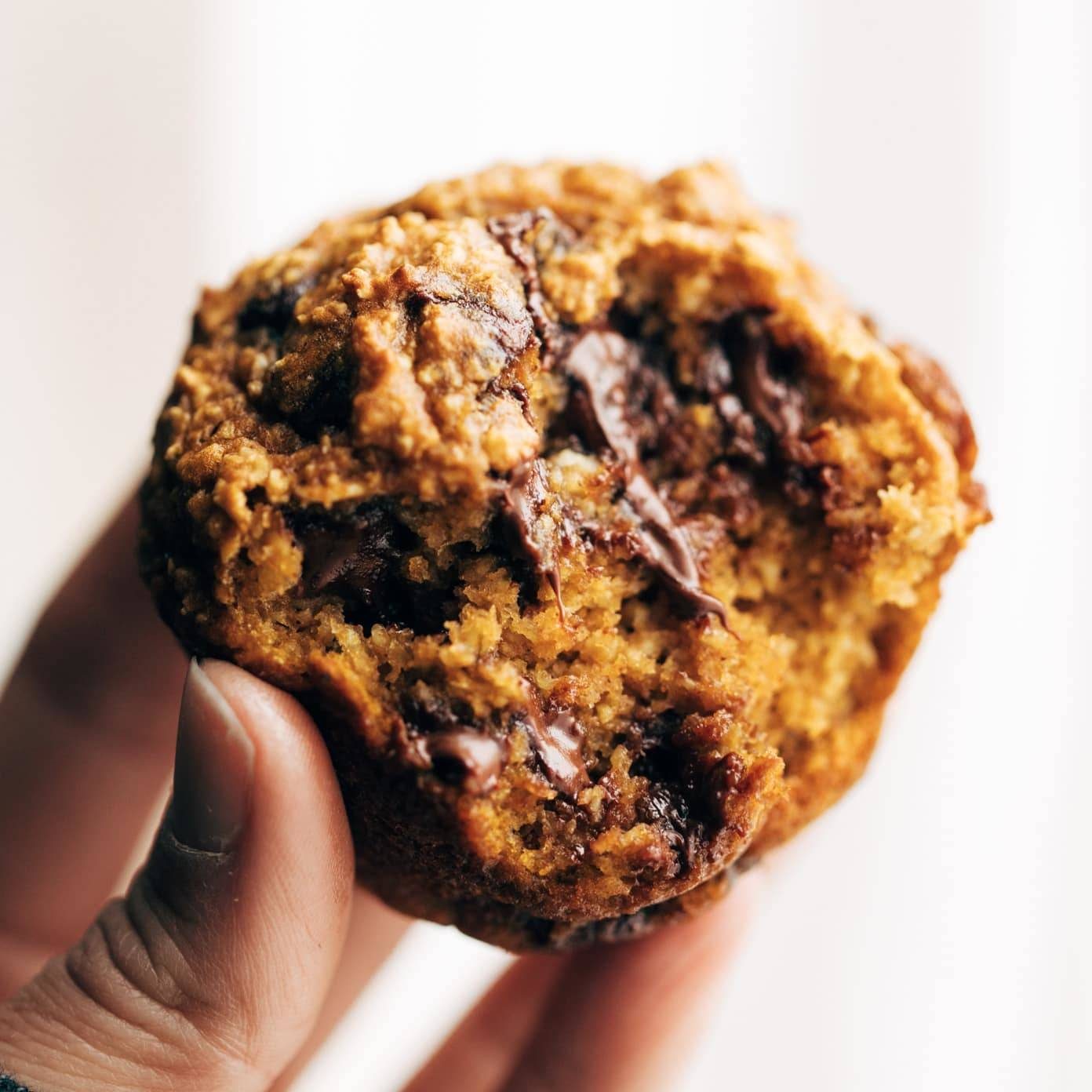
Ideal for school lunchboxes or quick breakfasts, these muffins are a testament to the power of the blender-to-oven workflow.
- The Method: Combine oats, pumpkin purée, eggs, and spices in a high-speed blender. The goal is a batter that is smooth yet retains a slight texture, mimicking a professional bran muffin.
- The Bake: Preheat to 375°F and bake for 15–17 minutes.
- Freezing Protocol: Once cooled, these can be stored in an airtight container for up to three months. To revive, a 45–60 second blast in the microwave returns them to a fresh-baked state.
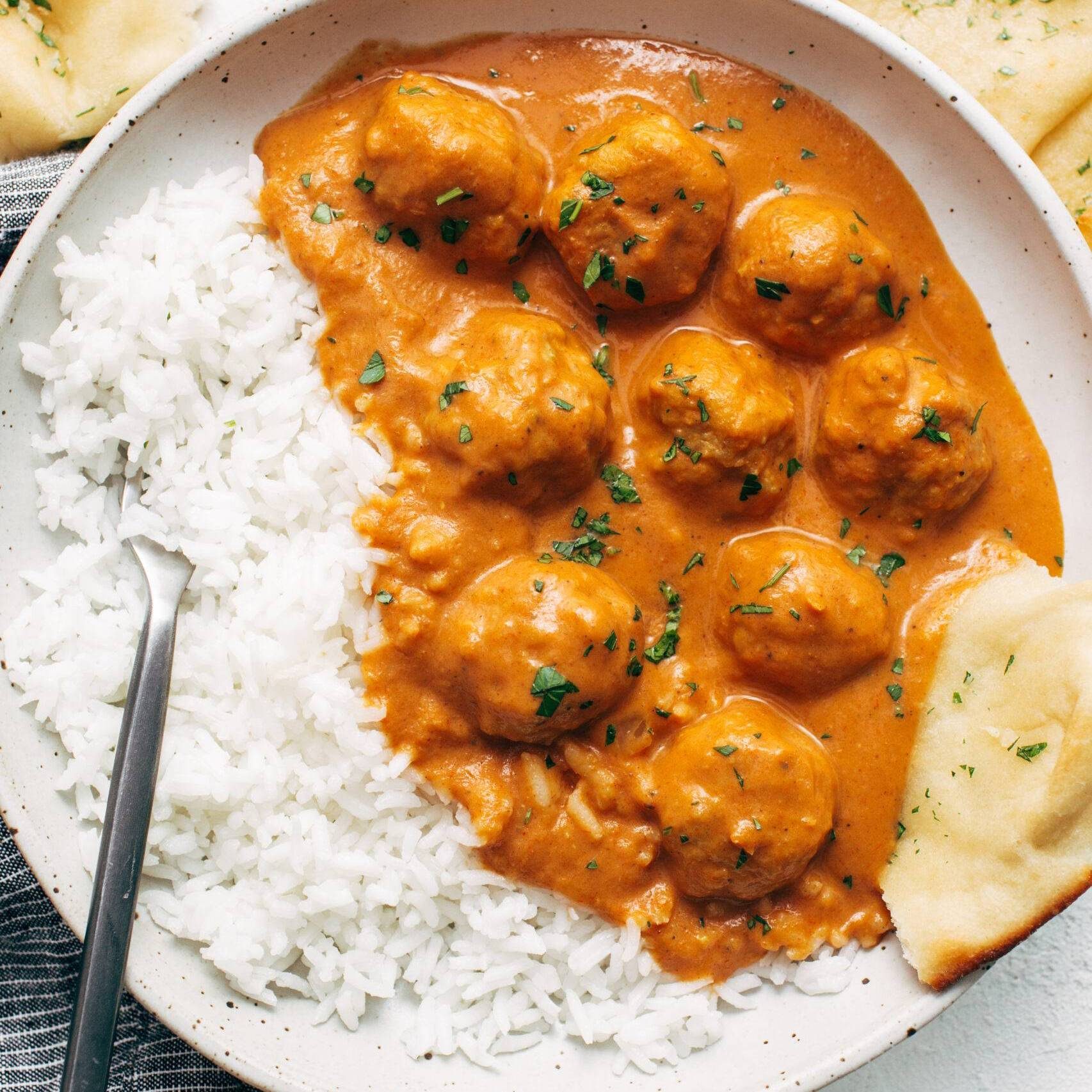
2. The Butter Chicken Foundation
Butter chicken is a crowd-pleaser that benefits from long, slow cooking.
- Assembly: Place raw chicken thighs and spices into a freezer bag.
- The Finishing Touch: Upon reheating (either via slow cooker for 8 hours or Instant Pot for 16 minutes), the dish is finalized by stirring in heavy cream and butter to achieve that signature velvety texture. Pureeing the sauce base with an immersion blender creates a restaurant-quality consistency.
3. Chicken Tortilla Soup
As the temperature drops, soup becomes a staple. This version is designed to be frozen as a "base" and customized at the moment of service.
- The Method: Freeze the chicken and broth base together.
- The Customization: After cooking, shred the chicken and add fresh pinto beans. The final flourish—tortilla strips, lime wedges, and a dollop of sour cream—adds the necessary acidity and crunch to elevate the dish.
4. Ricotta Meatballs with Crispy Topping
This recipe utilizes a unique texture profile by incorporating ricotta cheese into the meatball mixture, resulting in an exceptionally tender bite.
- The Process: Mix and roll the meatballs, then freeze them on a parchment-lined tray before transferring to bags.
- The Crispy Factor: Before serving, bake the meatballs in marinara sauce. The final step—a mixture of panko, parmesan, olive oil, and parsley—is broiled over the top to provide a satisfying, golden-brown crust.
Supporting Data: The Efficiency of Preparedness
Data from recent home-economics studies suggest that households that engage in some form of meal planning report a 25% decrease in food waste and a significant reduction in discretionary spending on takeout. By shifting from reactive eating (deciding what to eat when hungry) to proactive eating (executing a pre-planned meal), families reclaim approximately three to five hours of time per week.
Furthermore, the nutritional implications are significant. Frozen vegetables and proteins are often flash-frozen at the peak of their freshness, retaining nutrient density that may degrade in "fresh" produce sitting in a grocery store distribution chain for days.
Official Perspectives: Expert Insights on Freezer Safety
Food safety professionals emphasize the "Golden Rule" of freezer management: temperature control. The freezer should remain at or below 0°F (-18°C). When freezing meals, the exclusion of air is critical. Using heavy-duty freezer bags and removing as much air as possible prevents "freezer burn," which is essentially the dehydration of the food’s surface, leading to flavor loss and textural degradation.
Additionally, experts note that the "thaw cycle" is just as important as the freeze. For best results, move your frozen meal from the freezer to the refrigerator 24 hours before you intend to cook it. This allows for a gentle, even thaw, which preserves the integrity of delicate sauces and meat fibers.
Implications for the Modern Lifestyle
The adoption of a Mini Freezer Stash is not merely about food—it is about the psychological benefits of order. When a parent knows that a nutritious, warm meal is waiting in the freezer, the mental load of the evening is significantly reduced. This "crushing it at life" feeling, as described by frequent practitioners of the method, is rooted in the elimination of low-level decision fatigue.
As we look toward the busier months of the year, the implication is clear: the most sustainable way to feed a family is to work smarter, not harder. By investing a small window of time into the preparation of these meals, you are essentially buying back your future evenings. Whether it is a quick muffin for a child’s lunch or a robust butter chicken for a family dinner, the freezer stash provides a safety net that encourages healthier habits and a more peaceful home environment.
Final Recommendation for Enthusiasts
For those who have mastered the "Mini Stash" and wish to expand their repertoire, professional culinary platforms now offer comprehensive digital packets containing upwards of 20 to 30 freezer-friendly dinner recipes. These resources are designed to be printed and kept in a binder, serving as a permanent, evolving menu for the household. As the seasons change, so too can your stash, ensuring that your home kitchen remains a place of comfort, efficiency, and culinary delight.

 Ali Ikhwan