 Laily UPN

 Suro Senen

 Muslim

 Raul Delapena Setiawan

 Layla Zulfa
 Nana
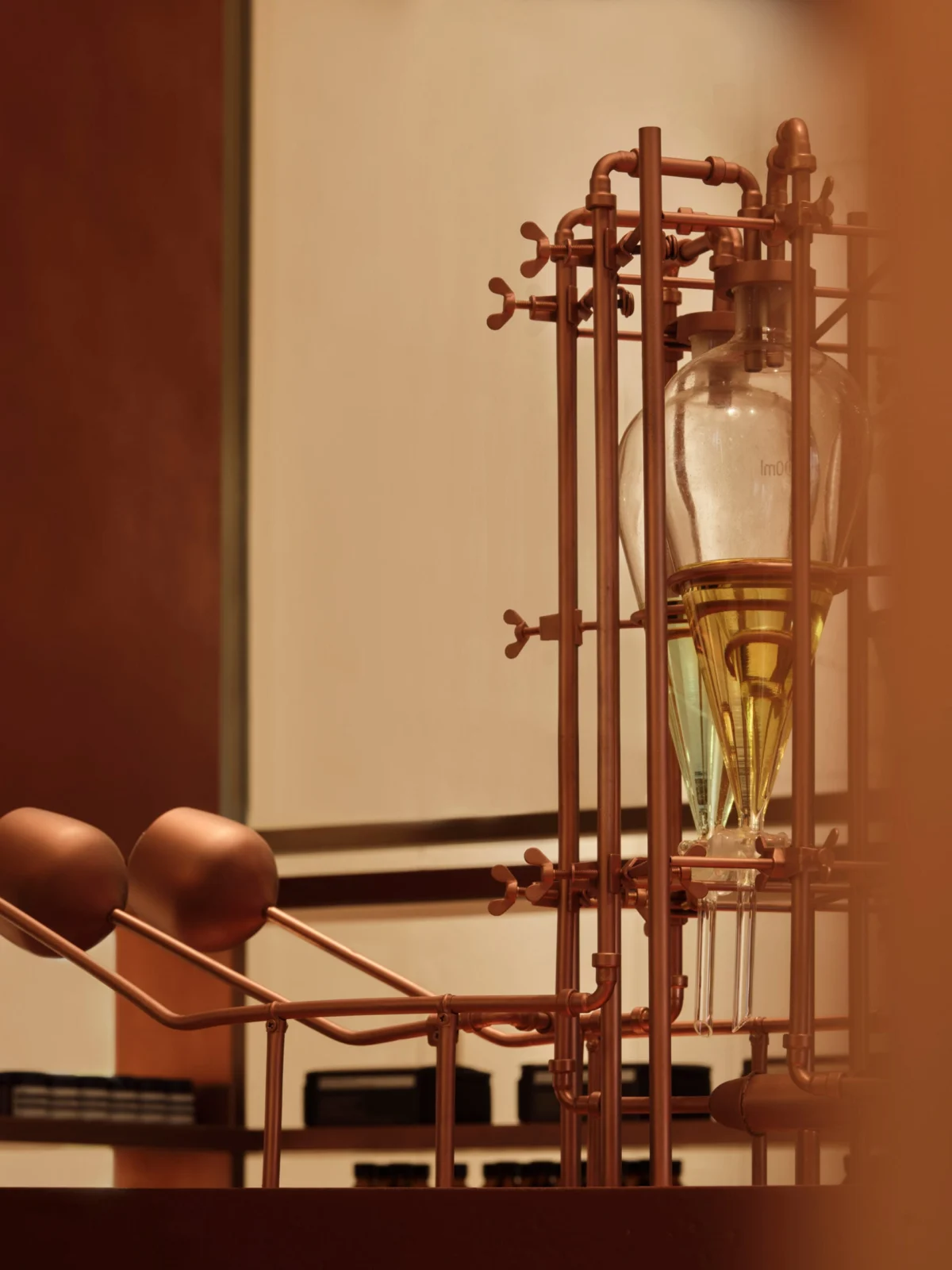
For many, the morning cup of coffee is a ritual of comfort. For the chemist, however, it represents one of the most complex, multi-variable extraction experiments performed in the average household. As we delve deeper into the science of brewing, we find that the journey from roasted bean to liquid gold is governed by laws of thermodynamics, fluid dynamics, and solubility—factors that turn a simple morning task into a pursuit of scientific perfection.
The Chemistry of Extraction: Seeking the "Uneven" Ideal
In the previous installments of this series, we explored the chemical constituents of coffee and the immense range of solubility across those compounds. A common misconception in the specialty coffee world is that a "perfect" cup requires an "even" extraction. From a chemical perspective, this is a misnomer. If every compound in the coffee bean were extracted at the same rate, the resulting beverage would be one-dimensional and lack the nuance that makes coffee so compelling.
To achieve an "even" extraction—or more accurately, an exhaustive one—you would need to grind the beans to a fine powder and steep them for an extended period, perhaps even boiling the slurry. While this would result in a high extraction yield (approaching 30%), it would likely yield a harsh, astringent cup. True mastery of coffee brewing lies in selective extraction: an "uneven" process where specific flavor-contributing compounds are prioritized over others.
Percolation, or the "pour-over" method, is the gold standard for this selective process. Unlike a traditional percolator—which relies on convection to cycle coffee through a central tube—a modern pour-over utilizes gravity to draw water through a bed of grounds. This allows the barista to control the contact time and flow rate, effectively "tuning" the extraction to highlight desired flavor profiles while leaving behind the bitter, slower-extracting compounds that arise toward the end of a long, aggressive brew.
A Chronology of Innovation: From 1922 to the Modern Era
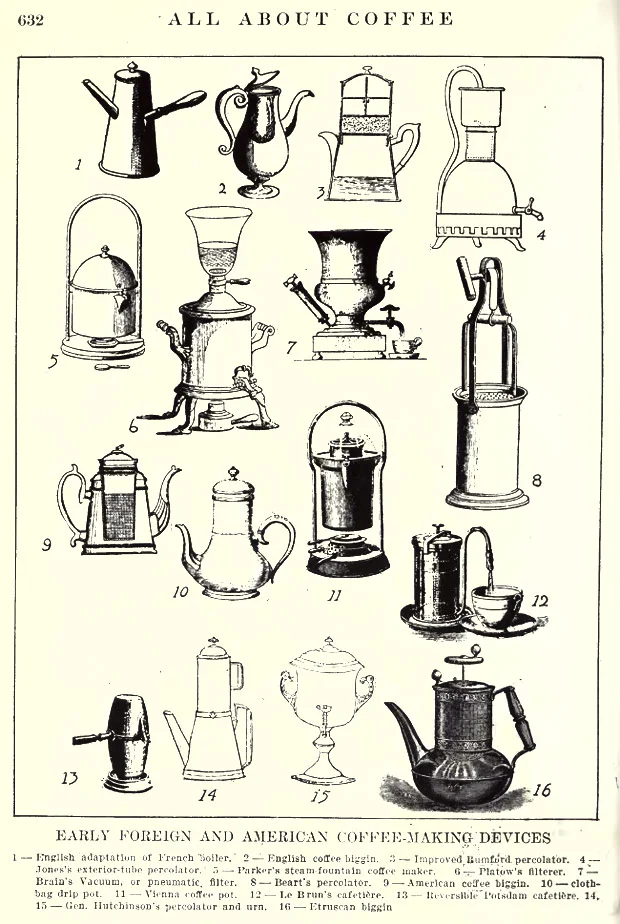
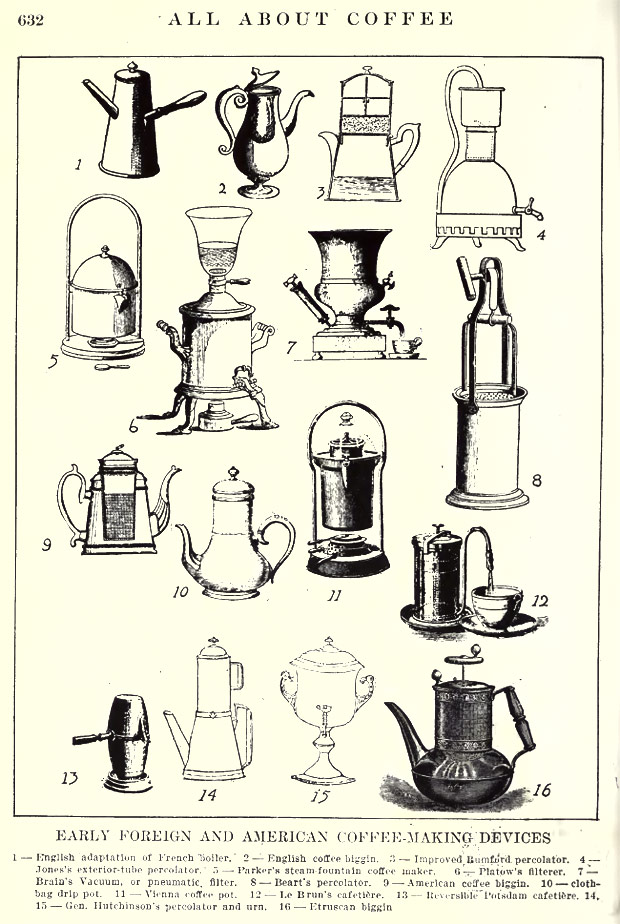
The human obsession with refining the coffee maker is not a modern trend. Historical texts, such as W.A. Ukers’ seminal 1922 book, All About Coffee, illustrate that inventors have been grappling with the mechanics of drip brewing for over a century. Throughout the 1970s, the evolution of these devices accelerated, leading to the diverse array of hardware we see today.
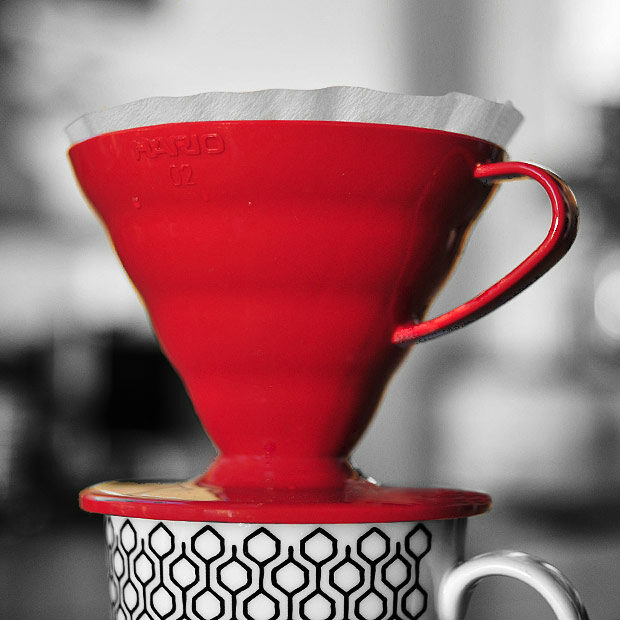
The proliferation of brewing devices—from the classic trapezoidal Melitta drippers to modern, precision-engineered tools like the Hario V60, the Kalita Wave, and the Aeropress—reflects a continuous effort to "untie the coffee knot." Each design attempts to solve the fundamental challenges of temperature stability, bypass control, and flow consistency. The evolution of these tools is a testament to our desire to standardize a process that is inherently susceptible to human error and environmental variables.
The Variable Matrix: Why Your Brew Never Tastes the Same
The deceptively simple act of pouring water over coffee involves an overwhelming number of parameters. These can be categorized as independent (variables you control, such as grind size and water temperature) and dependent (the resulting changes in extraction, such as flow rate and total dissolved solids).
The Challenge of "Lazy" Water
Perhaps the most significant hurdle in pour-over brewing is the tendency for water to take the path of least resistance. In fluid dynamics, this is known as "channeling." If your grind is too fine, the water may clog the filter bed, causing the liquid to bypass the coffee entirely by flowing along the sides of the filter. This bypass water does not contribute to the extraction; it merely dilutes the final cup.
Material Matters: The Thermal Debate
The material of the brewer plays a critical role in thermal stability. Metal, while durable, is a potent heat conductor that can sap energy from the brewing water unless it is vacuum-insulated, like the Stagg X/XF. Plastic, such as the polypropylene used in a standard Hario V60, is an excellent insulator and cost-effective, though it lacks the aesthetic appeal of ceramic or glass. Ceramic is sturdy but requires thorough pre-heating to prevent it from acting as a "heat sink" that cools your brew mid-extraction.
Geometry and Flow Control
The shape of the coffee bed dictates the contact time between water and grounds. A tall, narrow column (like the Aeropress) provides excellent contact but slows flow. A flat-bottomed bed (like the Kalita Wave) offers a more uniform distribution but is more prone to uneven flow if the pour is not steady. To mitigate these issues, many modern brewers incorporate "inflow control" mechanisms, such as the Melodrip or Gabi Dripmaster, which disperse water to ensure the coffee bed remains flat and undisturbed.
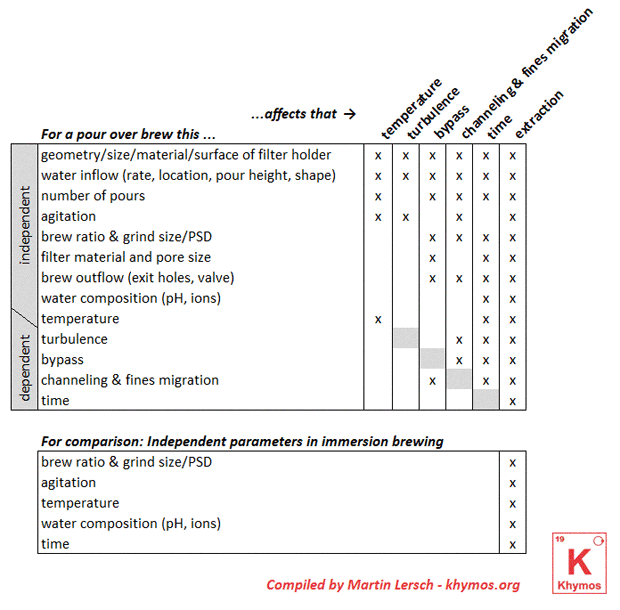
Supporting Data: Assessing the Equipment Landscape
When evaluating coffee makers, one must look at how each design handles the "bypass" phenomenon. The table below summarizes key characteristics of popular brewing devices.
| Brewer | Material | Bypass | Primary Control Factor |
|---|---|---|---|
| Aeropress | Plastic | No | Pressure |
| Hario V60 | Plastic/Ceramic | Yes | Geometry/Ridges |
| Chemex | Glass | No | Filter thickness |
| Kalita Wave | Metal/Glass | Yes | Filter shape (W-fold) |
| Clever Dripper | Plastic | Yes | Shut-off Valve |
Note: The presence of a "No" in the Bypass column indicates a design that forces water entirely through the coffee bed, whereas "Yes" indicates a design where water may flow around the edges.
The Case for Robustness: Immersion vs. Percolation
While the pour-over method offers unrivaled control, its complexity introduces significant potential for error. This is where immersion brewing—the process of steeping grounds in water for the entire duration of the brew—offers a compelling alternative.
Immersion is inherently more repeatable. Because the water and coffee are in contact for a set time before separation, the recipe is less sensitive to the minute-by-minute fluctuations of a manual pour. The French Press is the quintessential example; however, it suffers from the presence of "fines" (micro-particles) that pass through the metal mesh. While these particles contribute to body and texture, they can also lead to a muddy finish and unwanted bitterness. A simple fix, often overlooked, is a secondary filtration through a paper filter, which clarifies the cup while maintaining the robustness of the immersion method.
Implications: The Search for the "Ultimate" Cup
The complexity of these brewing systems explains why there is so much debate in the coffee community. Every variable—from the pore size of the paper to the conductivity of the water—shifts the extraction equilibrium.
Is there a "perfect" way to brew? As Gale Boetticher’s fictional but scientifically grounded setup in Breaking Bad suggested, the goal is not to find a single "magic" device, but to understand the physics of what we are doing. We are looking for the most efficient, repeatable, and clean way to extract the chemical compounds that we find most pleasing.
For the home enthusiast, the implication is clear: if you seek the highest level of control, you must be willing to manage the variables of the pour-over. If you prefer consistency and robustness, immersion methods are your best ally. Ultimately, the "best" cup of coffee is the one where your understanding of the process allows you to manipulate the variables to produce a flavor profile that aligns with your personal palate.
In the next installment of this series, we will move beyond the current landscape of equipment and explore novel concepts that may redefine how we think about the brewing process entirely. The quest for the perfect cup is far from over; it is, quite literally, still brewing.

 Ali Ikhwan

 Lina Hope