Nana Wu

 Dwi Wanna

 Suro Senen

 Evan Lee Salim

 Laily UPN
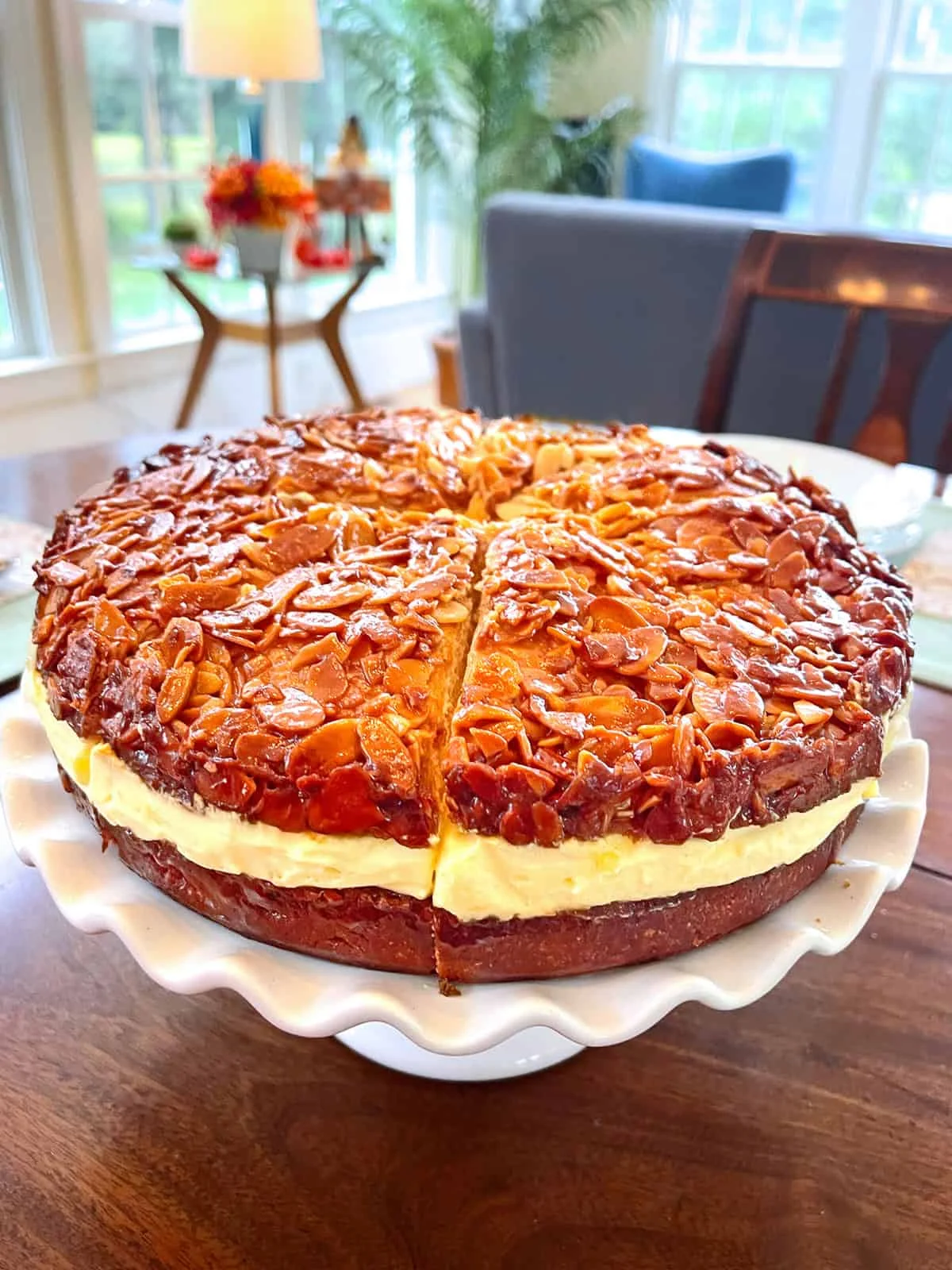
In the vast, storied landscape of German confectionery, few desserts command as much respect and nostalgic affection as the Bienenstich, or "Bee Sting Cake." A masterpiece of texture and balance, the cake is defined by its signature golden, honey-caramelized almond crown, a robust yet tender yeasted base, and a decadent, velvety vanilla custard filling. For those raised in the bakeries (Bäckereien) and coffee houses (Kaffeehäuser) of Germany, the Bienenstich is more than a dessert; it is a cultural touchstone.
While modern patisserie often favors the light, airy precision of sponge cakes or the architectural complexity of French-style gateaux, the Bienenstich remains a proud relic of a heartier culinary tradition. It is a labor of love that requires patience—specifically the time needed for a proper yeasted dough to rise—yet it rewards the baker with a result that is both rustic and undeniably sophisticated.
Main Facts: The Anatomy of a Classic
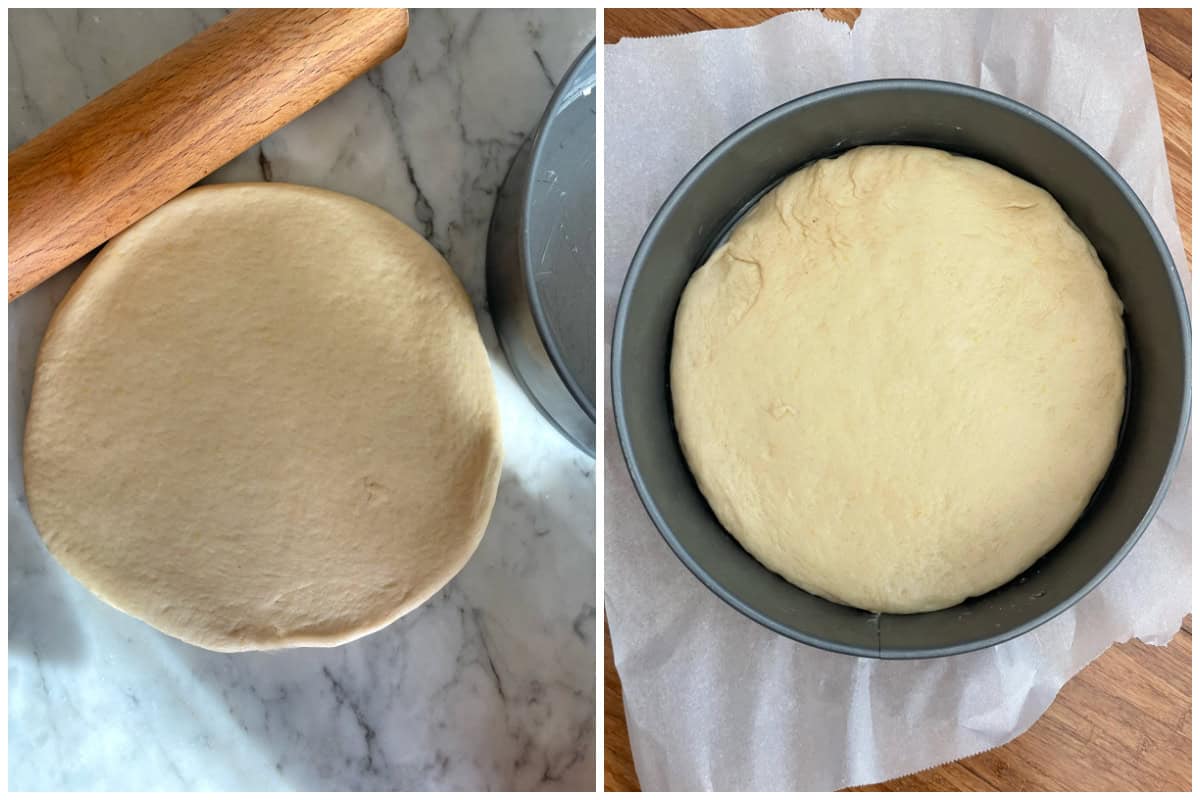
The Bienenstich is a unique hybrid in the world of baking. Unlike the traditional Torte, which relies on chemical leaveners like baking powder to achieve height, the Bienenstich utilizes a rich, enriched yeast dough (Hefeteig). This gives the cake a chewy, bread-like structure that serves as the perfect sturdy foundation for its more delicate components.
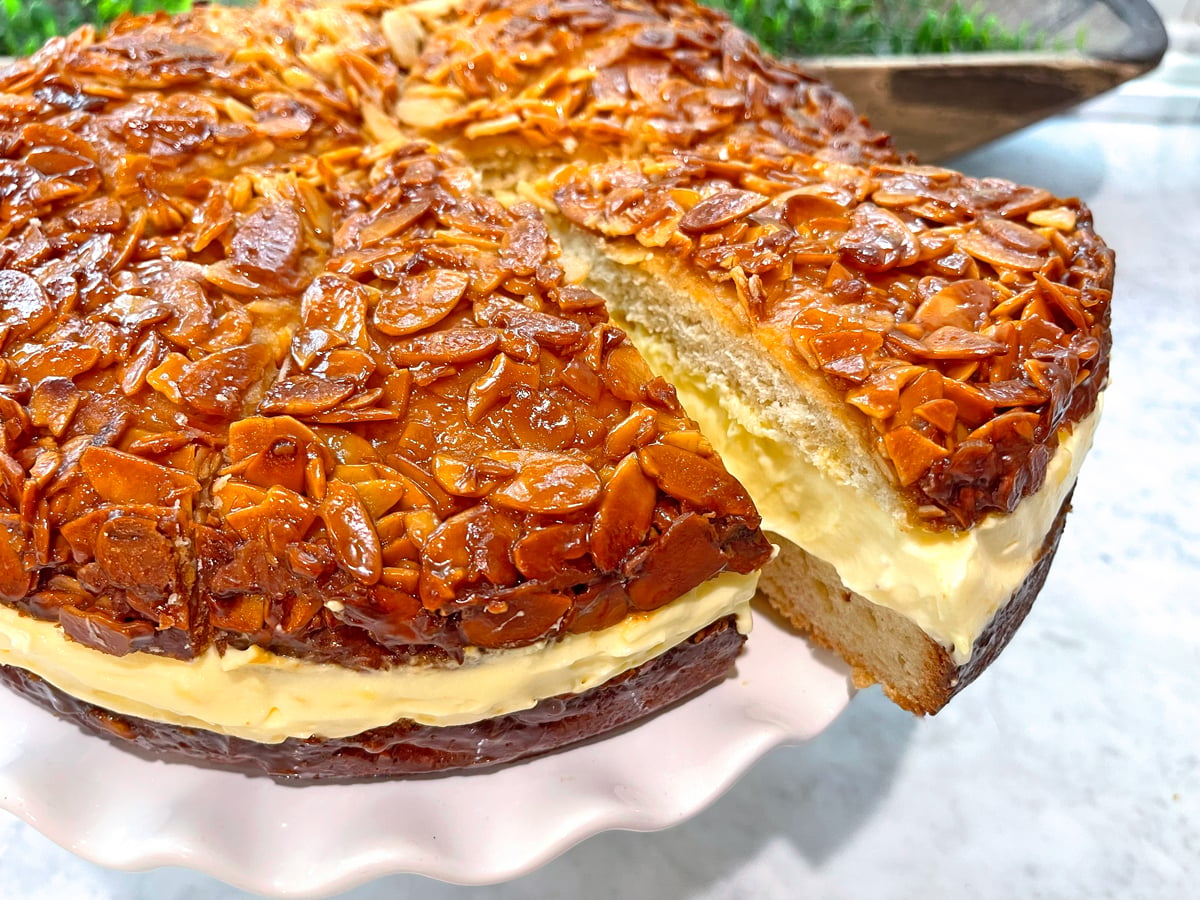
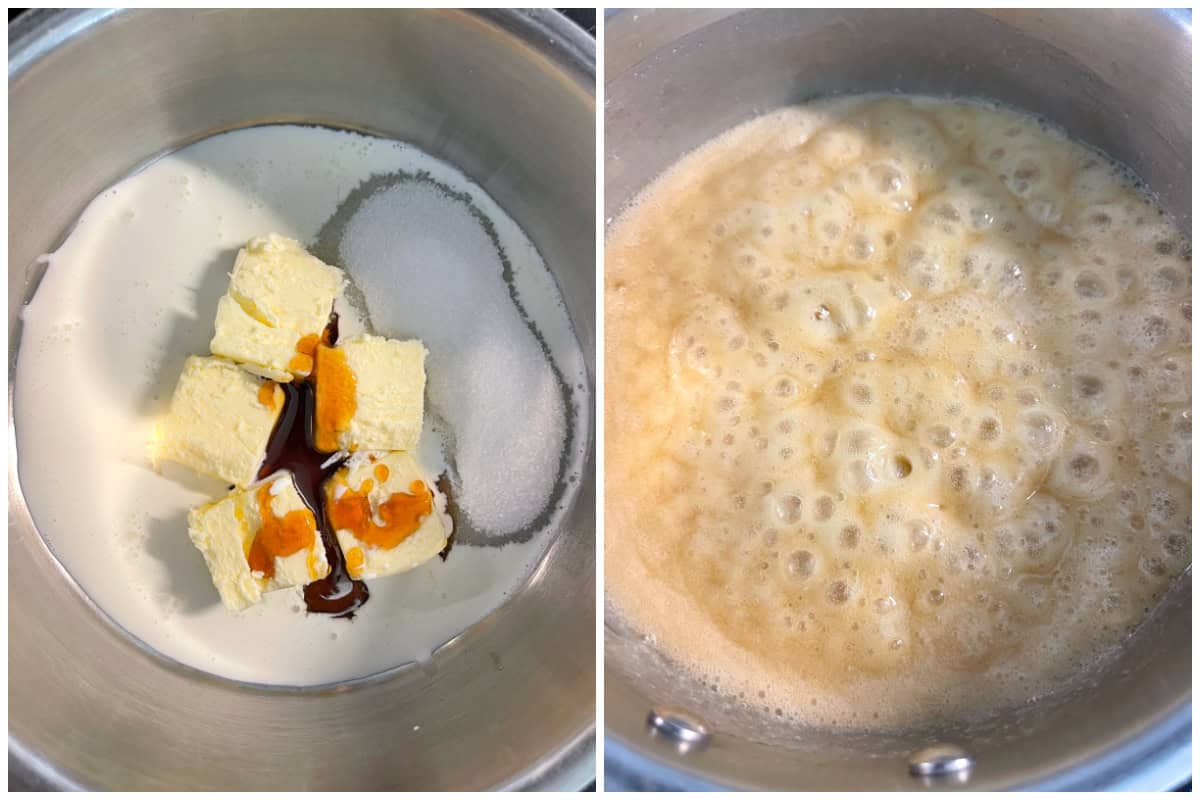
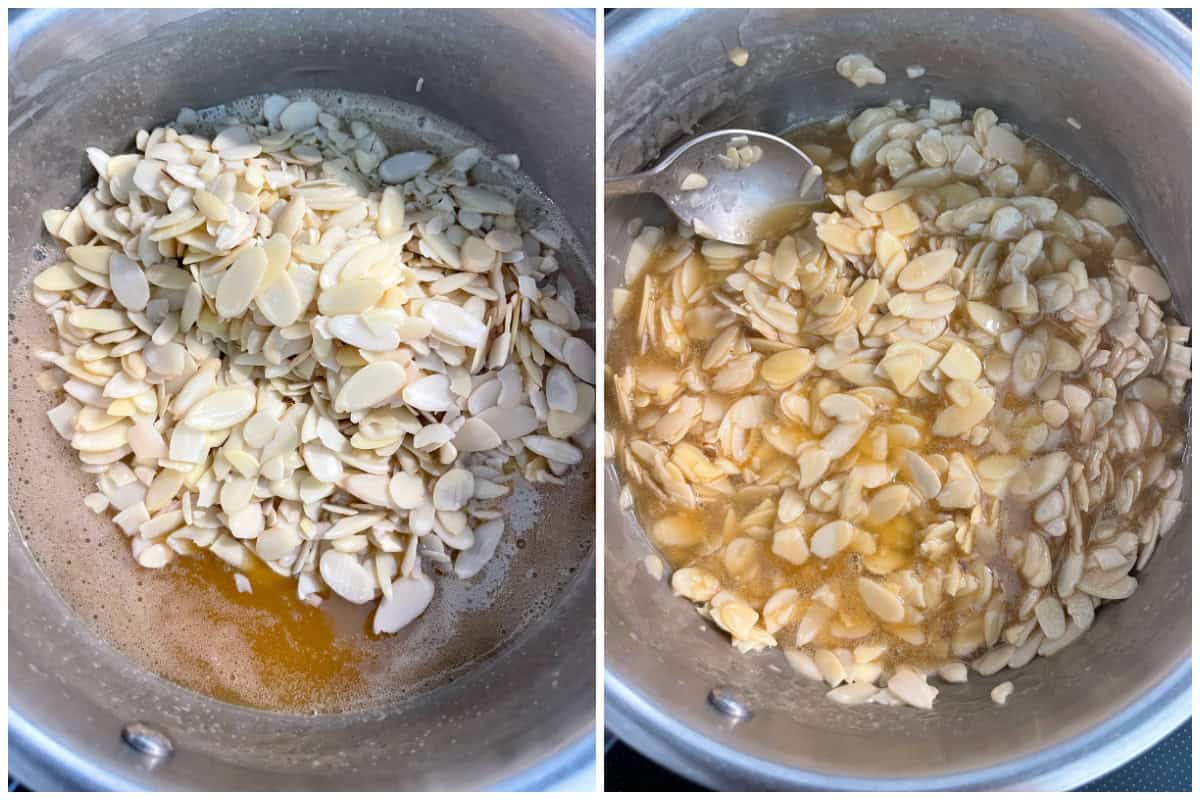
The "Bee Sting" itself refers to the crunchy almond-honey topping. Traditionally, blanched, sliced almonds are folded into a mixture of butter, cream, sugar, and honey, then applied to the top of the dough before baking. As the cake enters the oven, the mixture bubbles and caramelizes, creating a brittle, golden-brown armor that provides a sharp, toasted contrast to the soft, pillowy cake beneath.
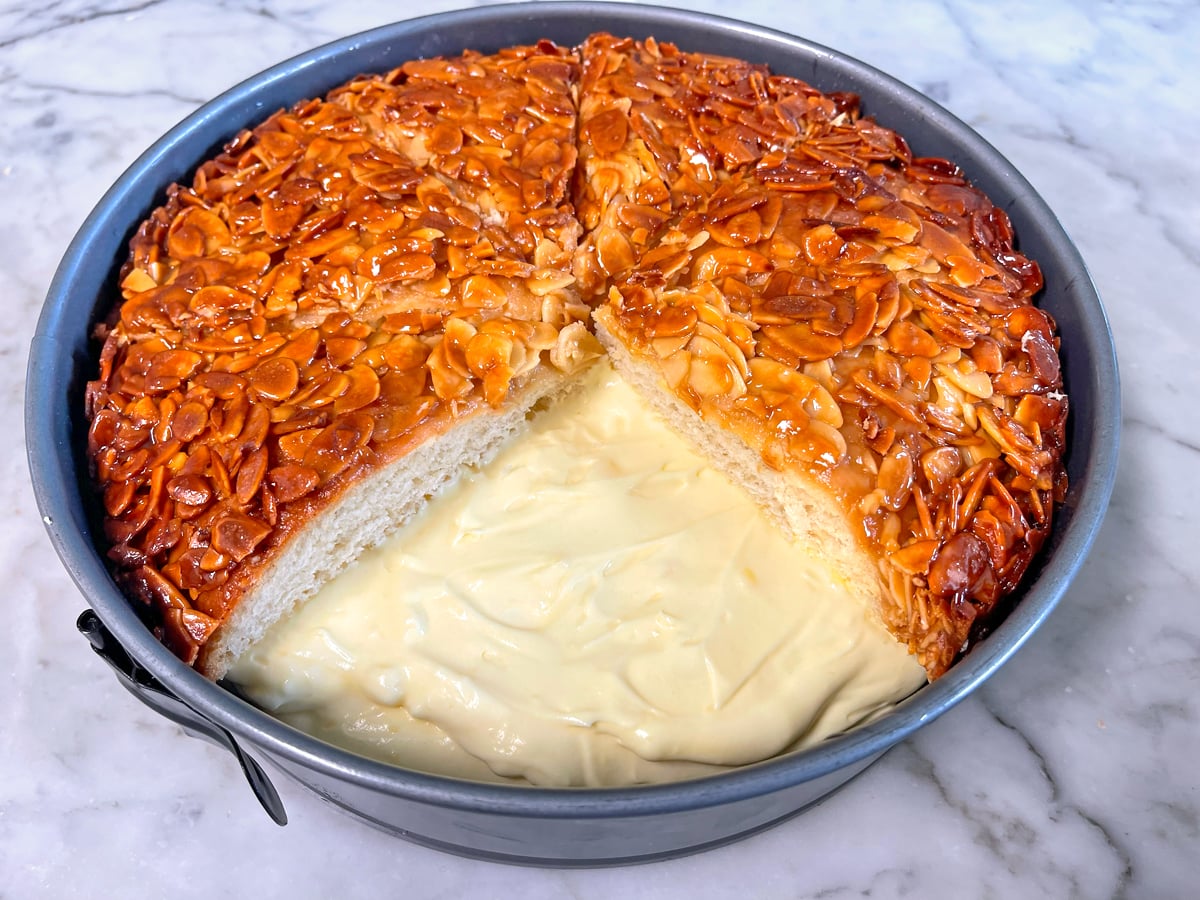
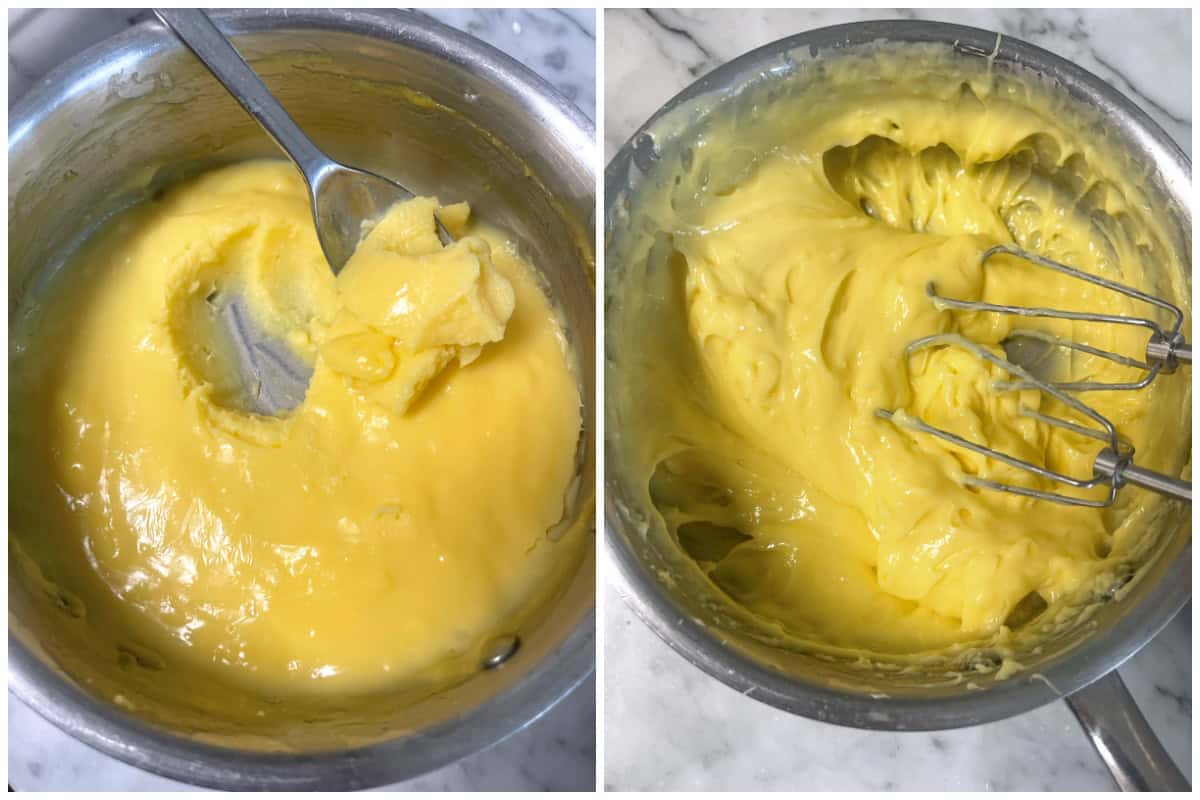
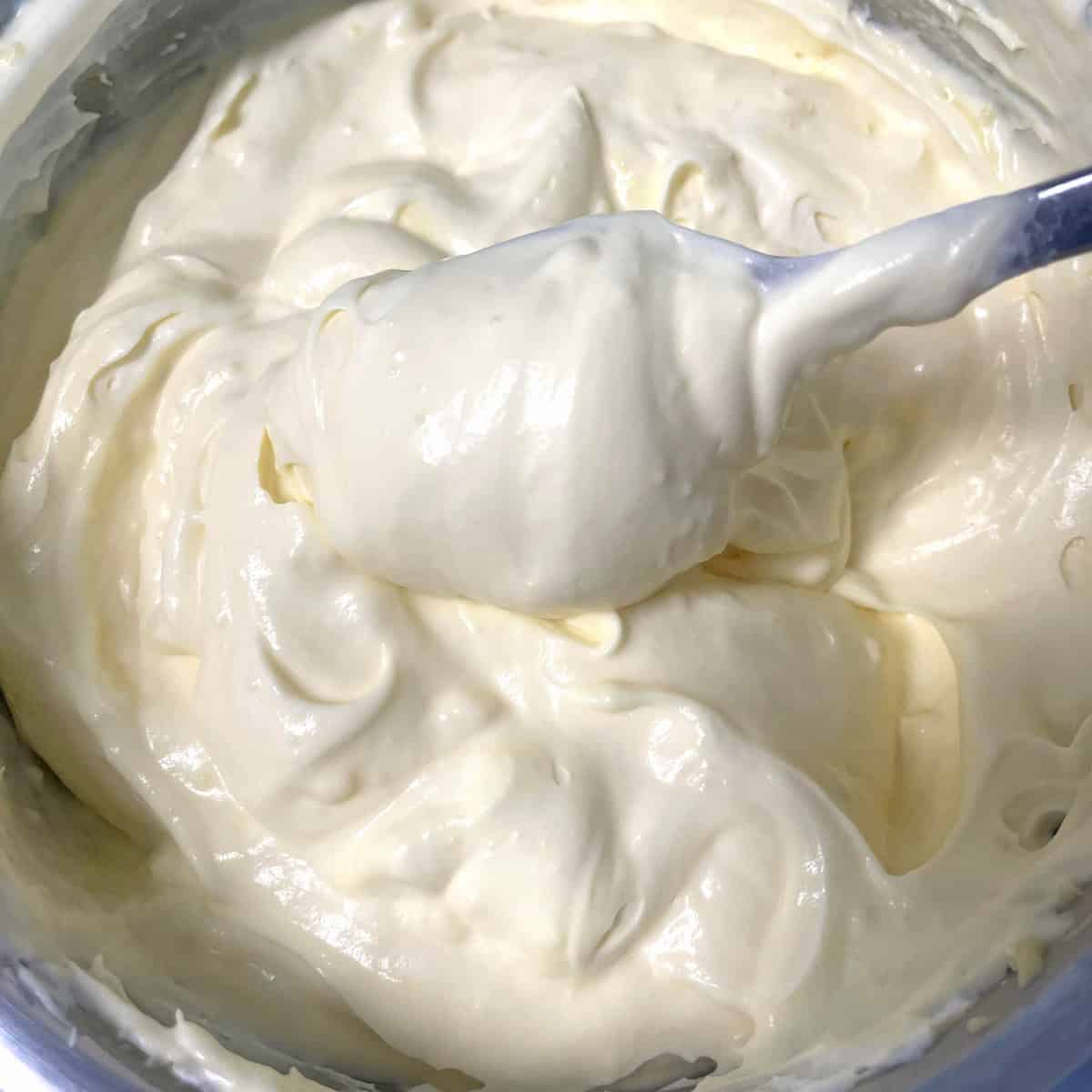
The filling is where the Bienenstich truly diverges from other yeasted breads. Historically, the cake was served as a single-layer Blechkuchen (sheet cake) without any filling. Over the 20th century, the addition of a luxurious vanilla cream became the standard. This filling is typically a blend of vanilla custard and whipped cream, often referred to as a Bavarian Cream or, in the domestic German kitchen, a custard thickened with starch and enriched with heavy cream.
Chronology: From Medieval Legend to 20th-Century Icon
The lore surrounding the Bienenstich is as dramatic as the cake is delicious. The most popular legend dates back to the 15th century, during a territorial dispute between the neighboring towns of Andernach and Linz am Rhein. According to the tale, two apprentice bakers stationed on the city walls spotted the invading forces of Linz. In a moment of sheer desperation, they reportedly hurled beehives from the ramparts at the enemy. The resulting swarm caused the invaders to retreat, and the townsfolk allegedly celebrated their victory with a specially created "Bee Sting" cake.
While this story is a staple of German folklore, historians suggest a more grounded origin. There is no documented evidence linking the cake to the Middle Ages. Instead, culinary historians trace the Bienenstich to the early 20th century. A 1913 publication by the Badischer Frauenverein (Baden Women’s Association) features one of the earliest known mentions of the cake, though it was still a simple, unfilled sheet cake.
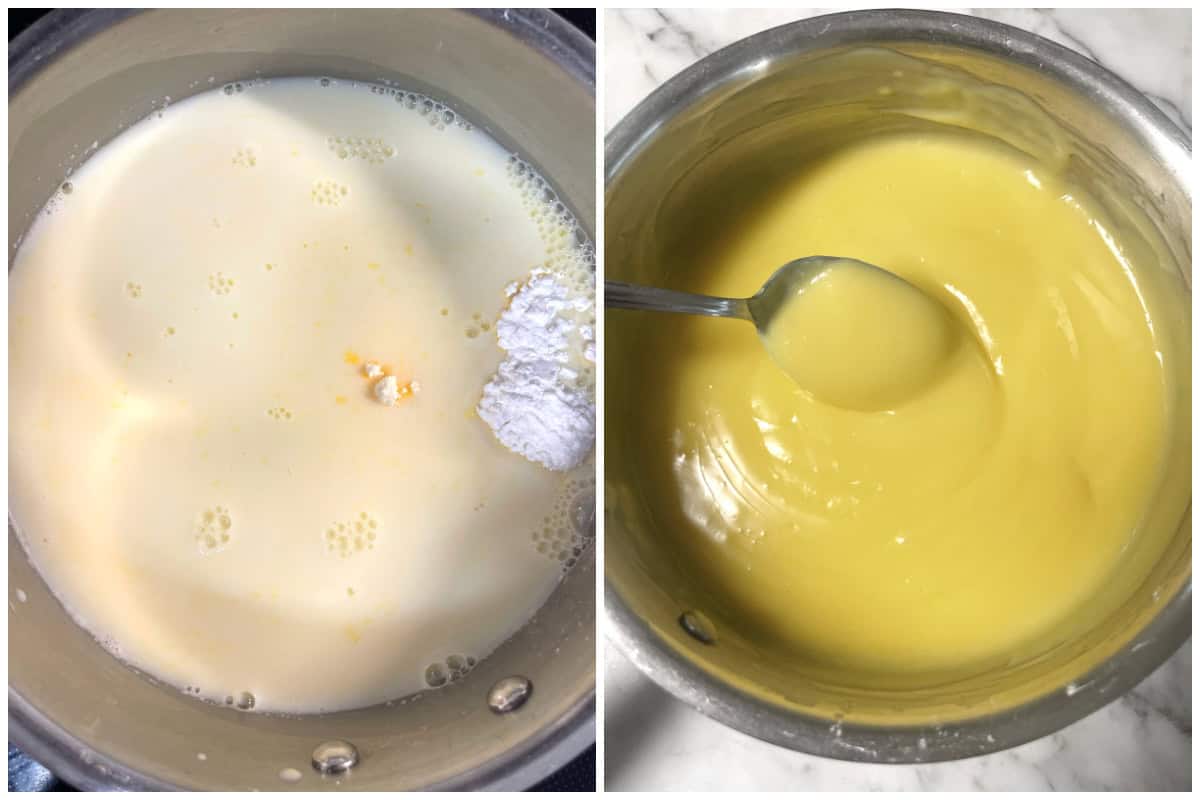
The evolution of the filling is directly tied to the industrialization of the kitchen. In 1894, the German company Dr. Oetker revolutionized the home kitchen by inventing pre-packaged vanilla pudding powder. By 1914, references to "filled" Bienenstich began to appear, and by the 1925, the cake was being marketed in springform pans. It wasn’t until the post-war economic miracle of the 1950s and 60s that the Bienenstich solidified its place as a national icon, alongside the Black Forest Gateau (Schwarzwälder Kirschtorte) and Marble Cake (Marmorkuchen).
Supporting Data: The Technicalities of the Bake
For the home baker, the Bienenstich presents a series of technical challenges that, when understood, lead to a near-perfect result.
The Dough
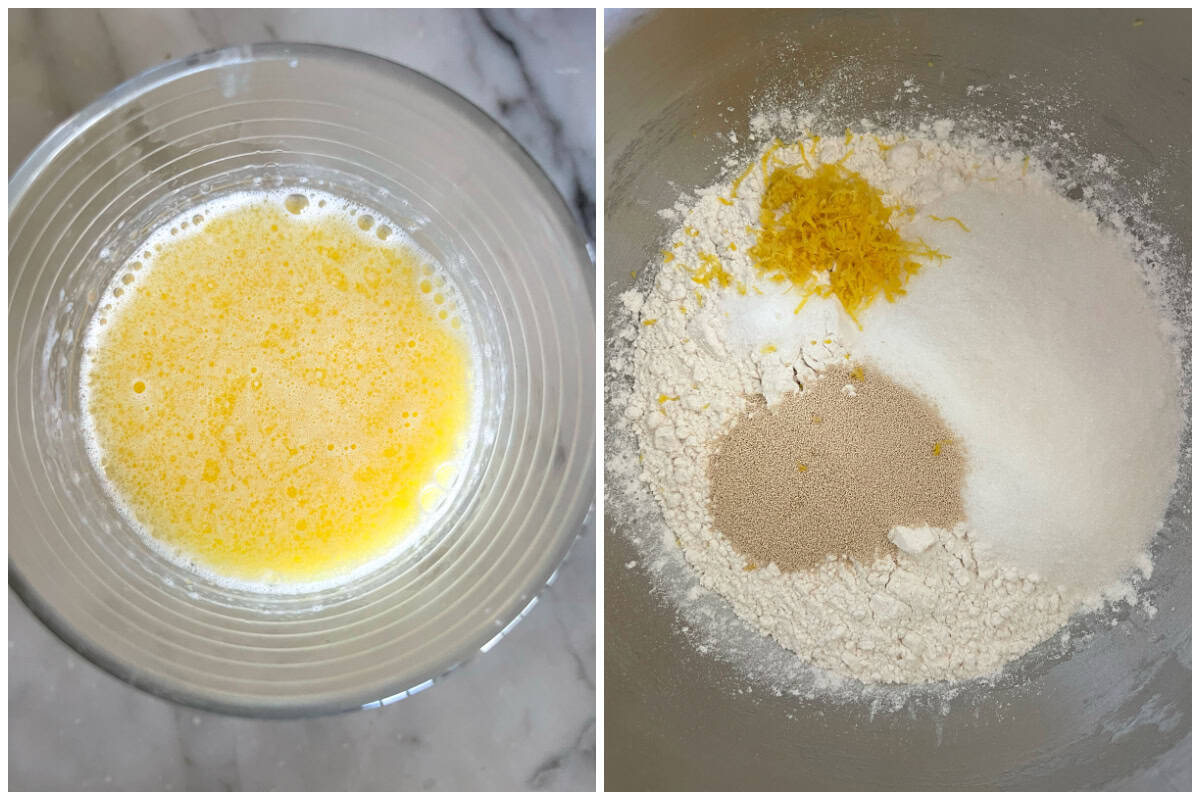
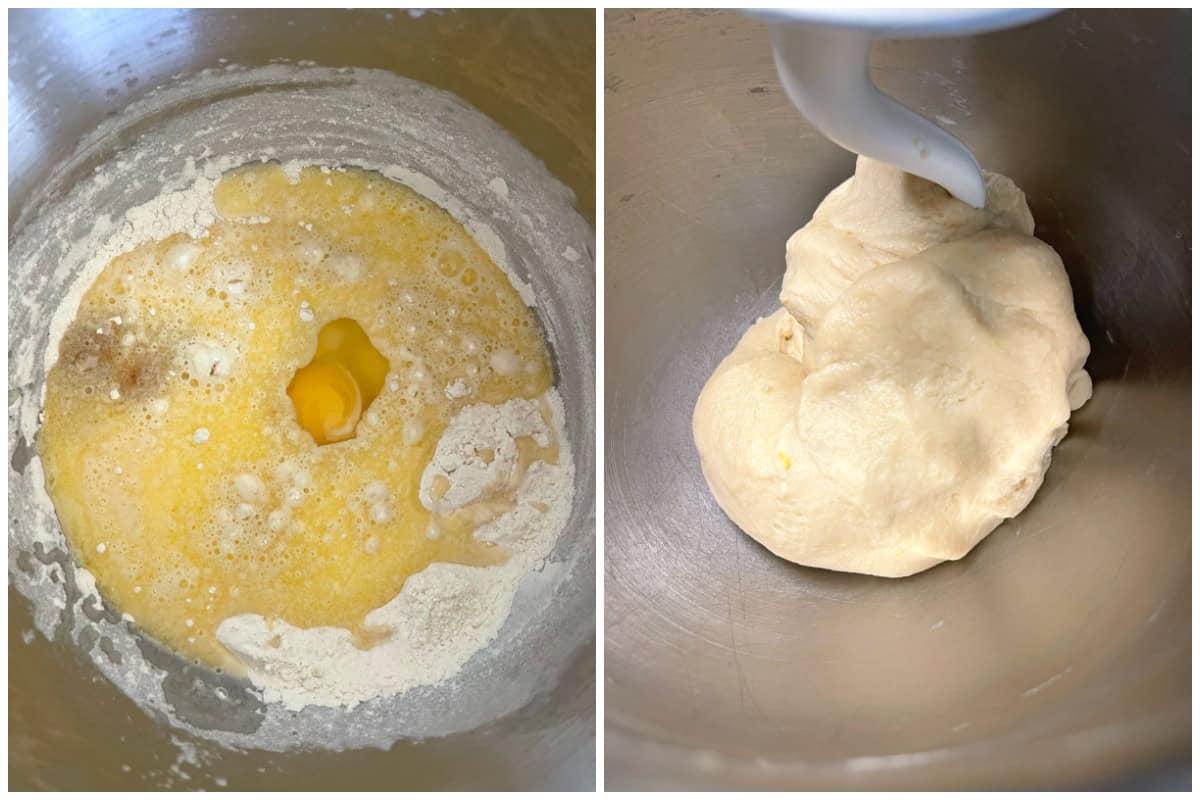
The use of an enriched yeast dough is paramount. This dough is higher in fat (thanks to the inclusion of butter and eggs) than standard bread, which results in a softer crumb. Culinary experts recommend "scalding the milk"—heating it to roughly 180–185°F—before incorporating it into the dry ingredients. This process denatures certain proteins in the milk, which helps the dough retain moisture and creates a softer final texture.
The Filling
The debate between homemade custard and commercial pudding mix is a frequent point of contention in German households. However, data from traditional baking practices confirms that the use of Dr. Oetker’s vanilla pudding mix is, in fact, the authentic, historically standard method. For those opting for a from-scratch approach, the filling must achieve a "loose" consistency. It should be thick enough to remain stable within the cake layers, yet light enough to melt in the mouth.
The Assembly
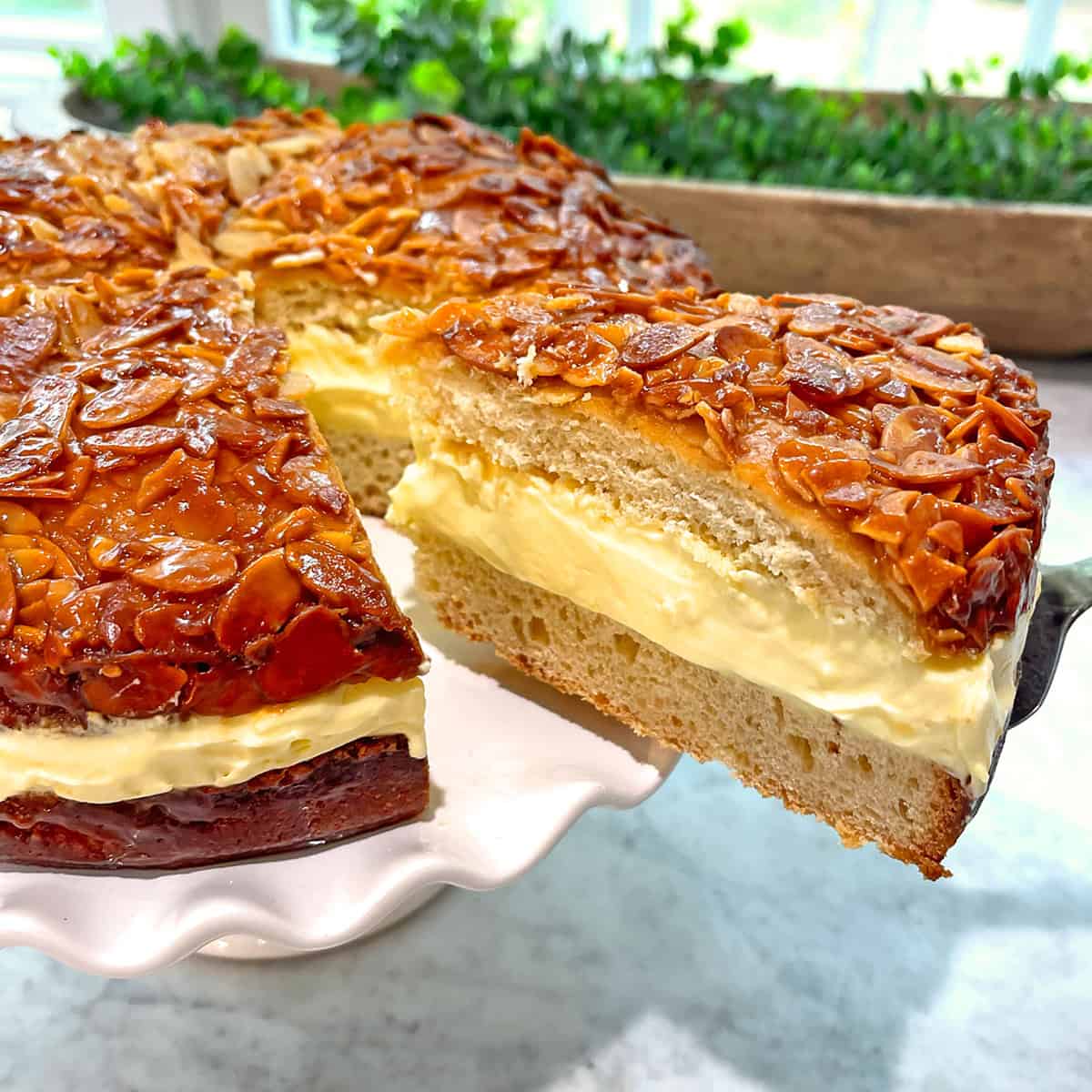
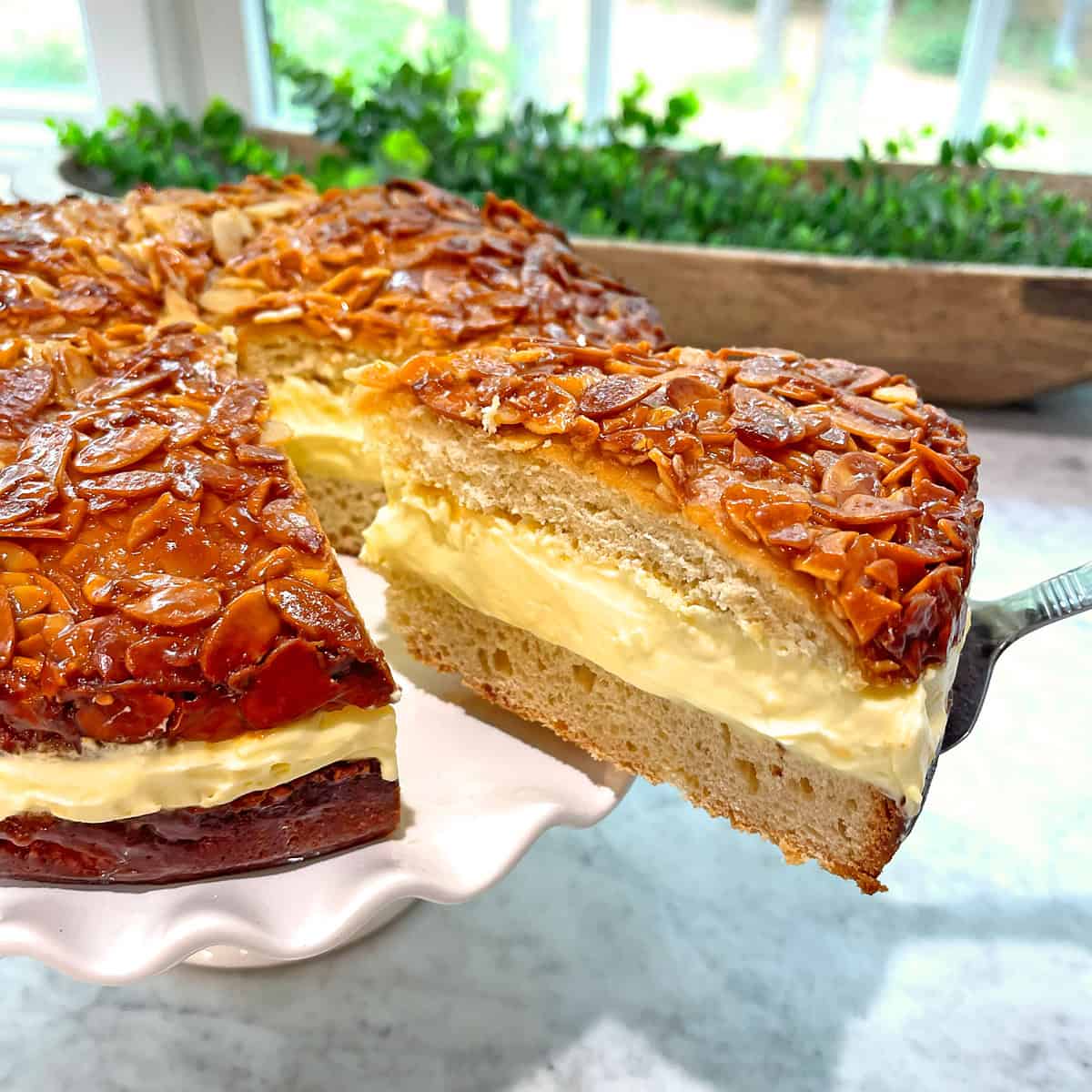
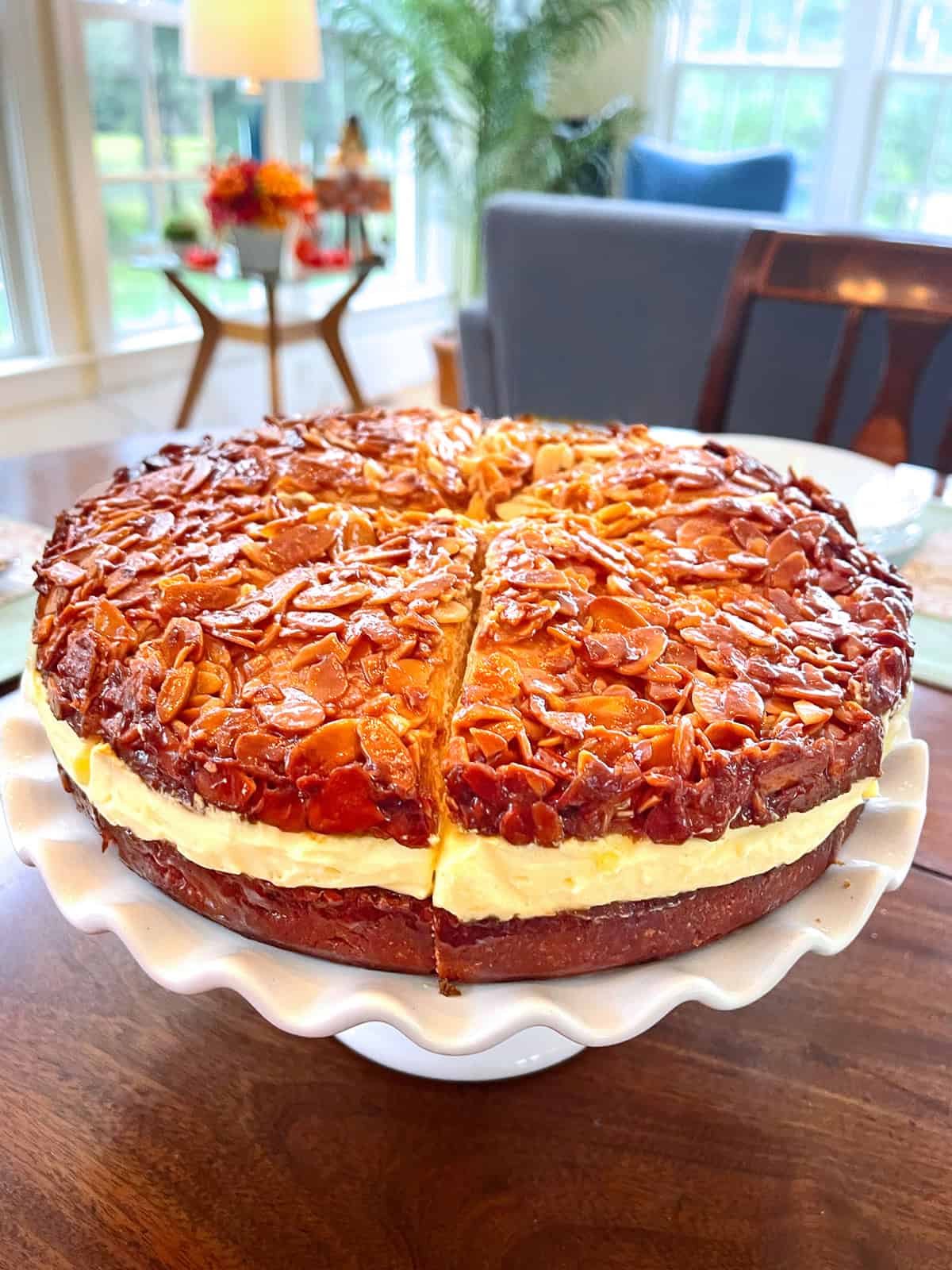
One of the most critical steps in the construction of a Bienenstich is the pre-slicing of the top layer. Because the honey-almond topping is firm and crunchy, attempting to cut through it with a knife after assembly will inevitably cause the delicate cream filling to squish out the sides. By slicing the top crust into triangular wedges before placing it onto the cream-filled base, the structural integrity of the cake is maintained.
Official Perspectives and Cultural Impact
The Bienenstich is recognized as a fundamental element of Kaffee und Kuchen, the German equivalent of a tea time or afternoon coffee break. It is a ritual that emphasizes social connection and the appreciation of high-quality, homemade pastry.
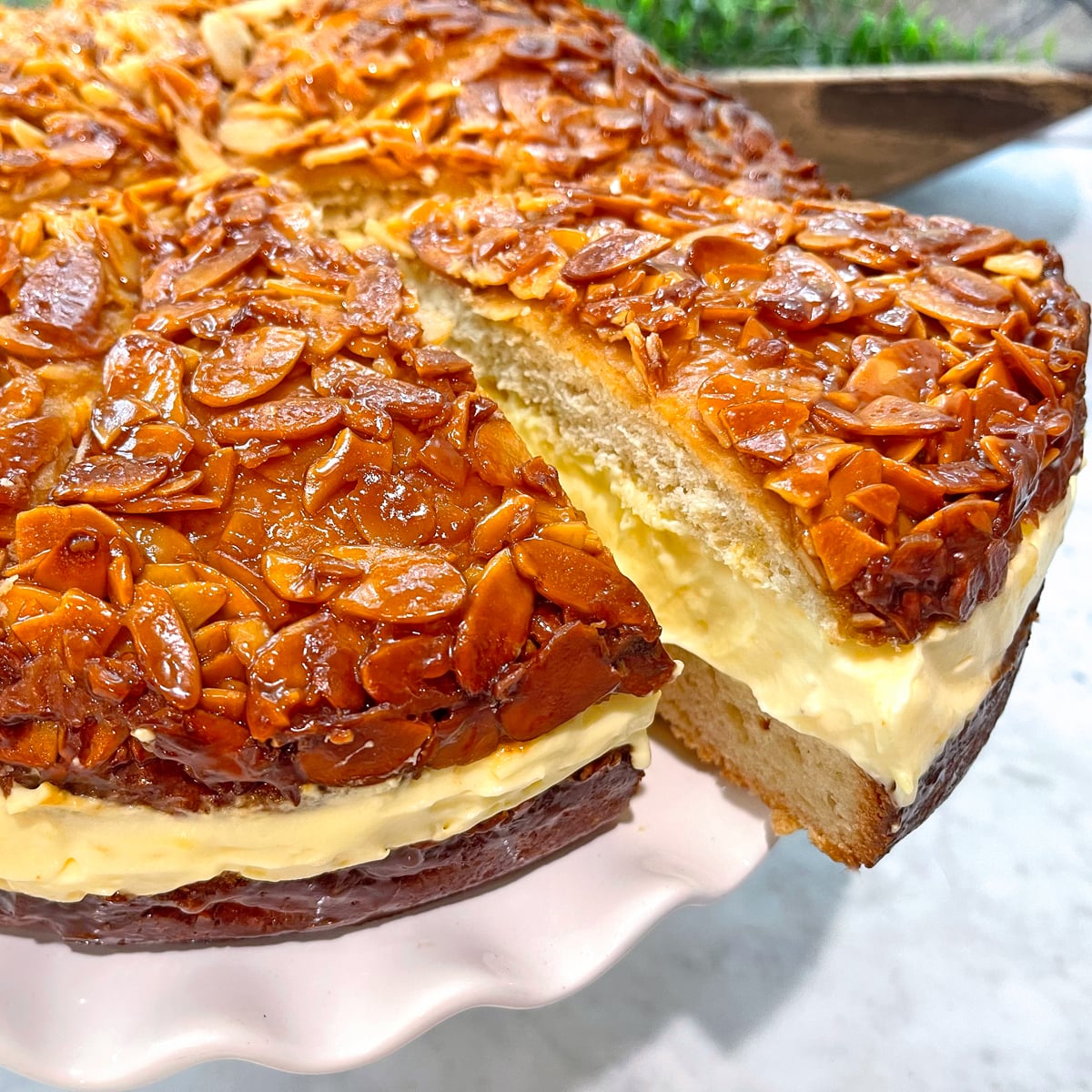
In professional German bakeries, the quality of a Bienenstich is often used as a benchmark for the baker’s skill. A high-quality cake must show a clear, distinct separation between the three layers: the toasted crunch of the almonds, the soft, slightly sweet yeast dough, and the smooth, cool vanilla cream. Over-baking the dough or failing to allow the custard to properly set are considered common errors that detract from the "symphony of textures" that characterizes the dish.
Implications for the Modern Kitchen
Despite the rise of convenience foods, the Bienenstich has seen a resurgence in popularity, particularly as home bakers seek to reconnect with "slow baking" traditions. The process, while demanding, is remarkably manageable when broken down:
- The Filling: Prepare this a day in advance to ensure it has ample time to chill and set.
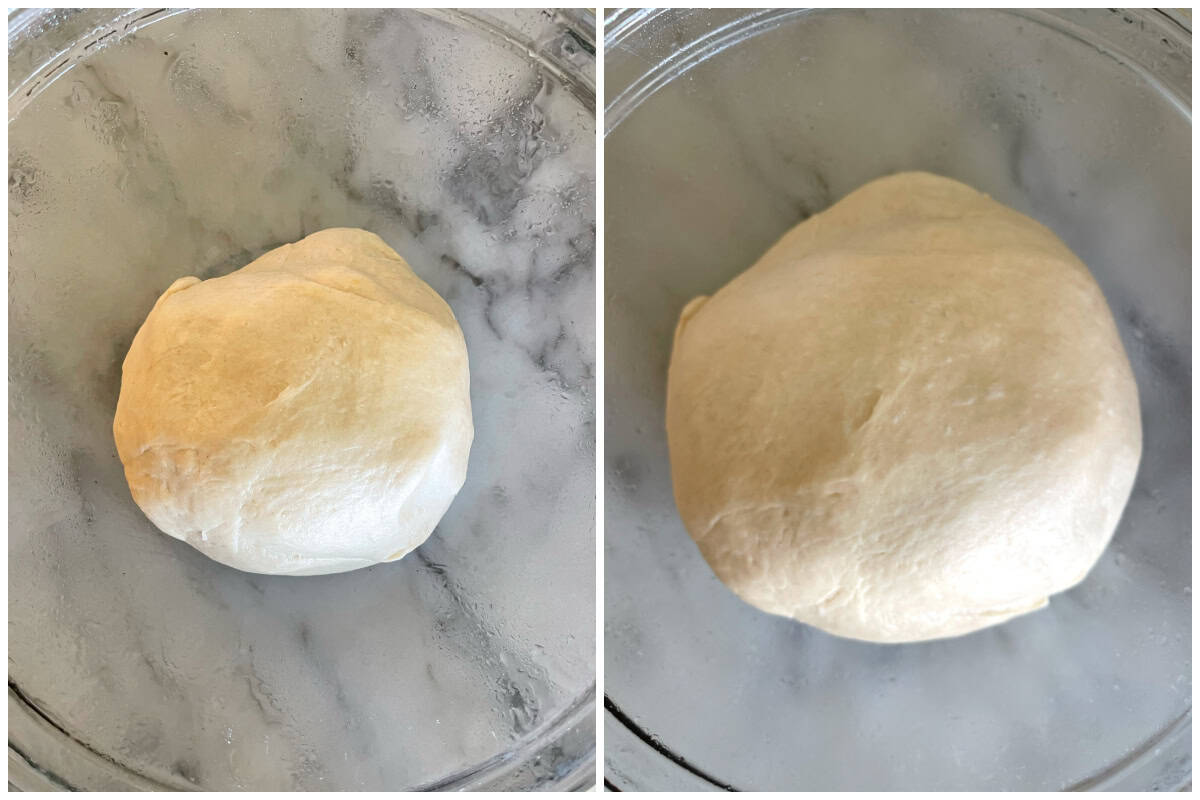
- The Dough: Respect the rise time. In an enriched dough, the yeast needs time to work against the fats, so 90 minutes to 2.5 hours is standard.
- The Topping: Monitor the caramelization carefully. Honey and sugar have a low burn threshold; the difference between a golden amber and a bitter, burnt topping is a matter of seconds.
The Bienenstich is more than a calorie-dense treat; it is an artifact of the early 20th-century German transition toward modernized baking. It represents a marriage of the medieval—the honey and the rustic bread—and the modern—the vanilla pudding powder and the springform pan.
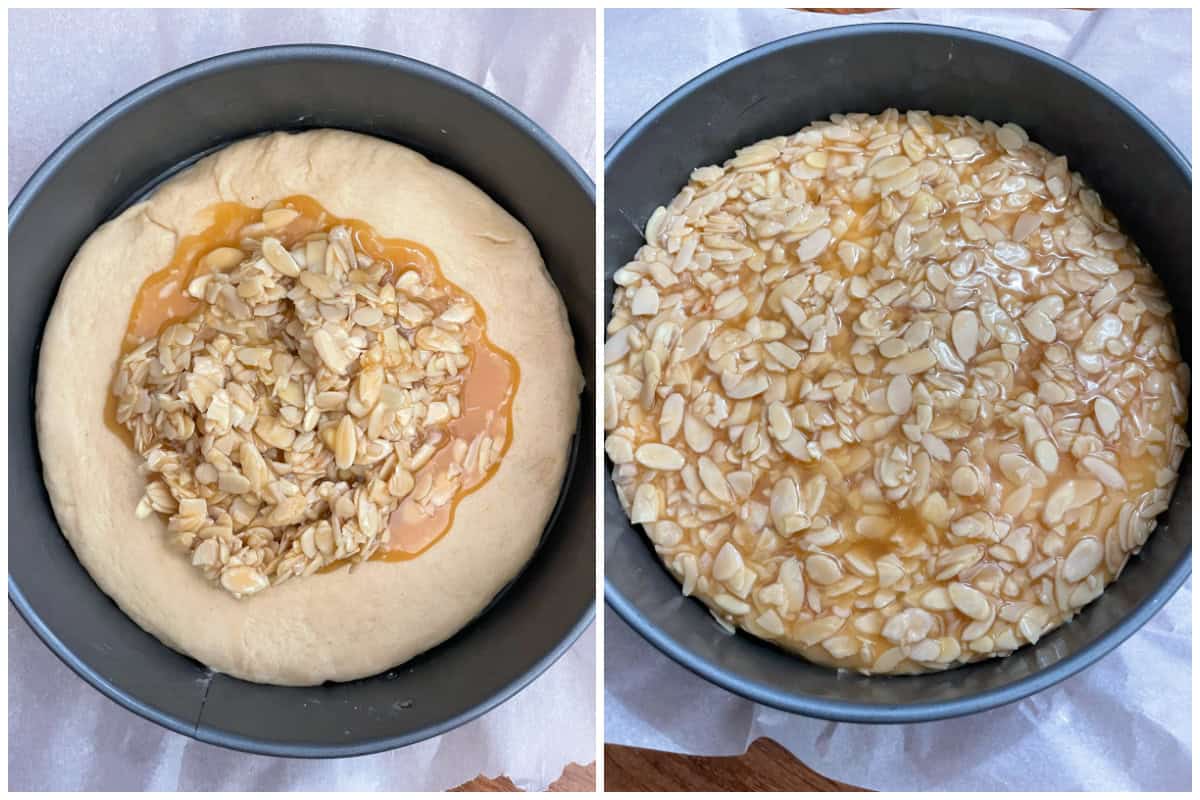
For those looking to recreate this German staple, the advice is simple: embrace the process. The "Bee Sting" is not a cake for the rushed or the impatient. It is a cake that demands the baker’s undivided attention, and in return, it offers a bite of history that is as rich, complex, and satisfying as the culture from which it emerged. Whether served as a centerpiece for a holiday gathering or as a quiet accompaniment to an afternoon cup of coffee, the Bienenstich remains an unrivaled titan of the dessert world.

 Ali Ikhwan