

 Nana Wu

 Dwi Wanna

 Suro Senen

 Evan Lee Salim

 Laily UPN
By Honor May Eldridge
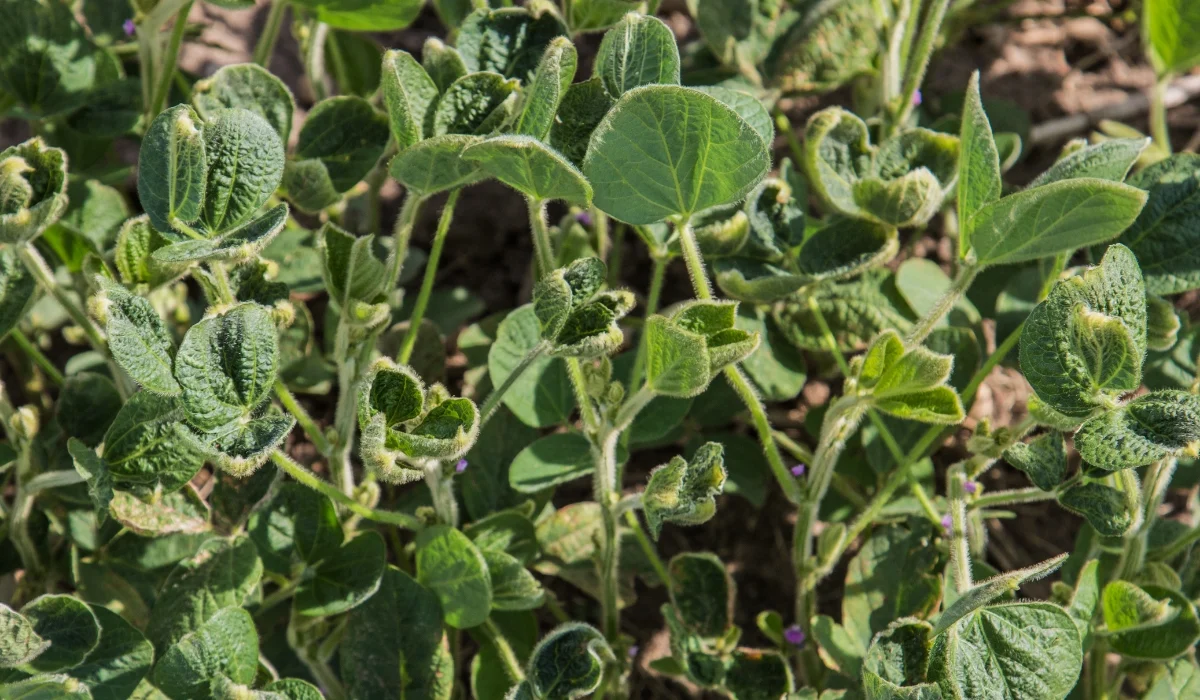
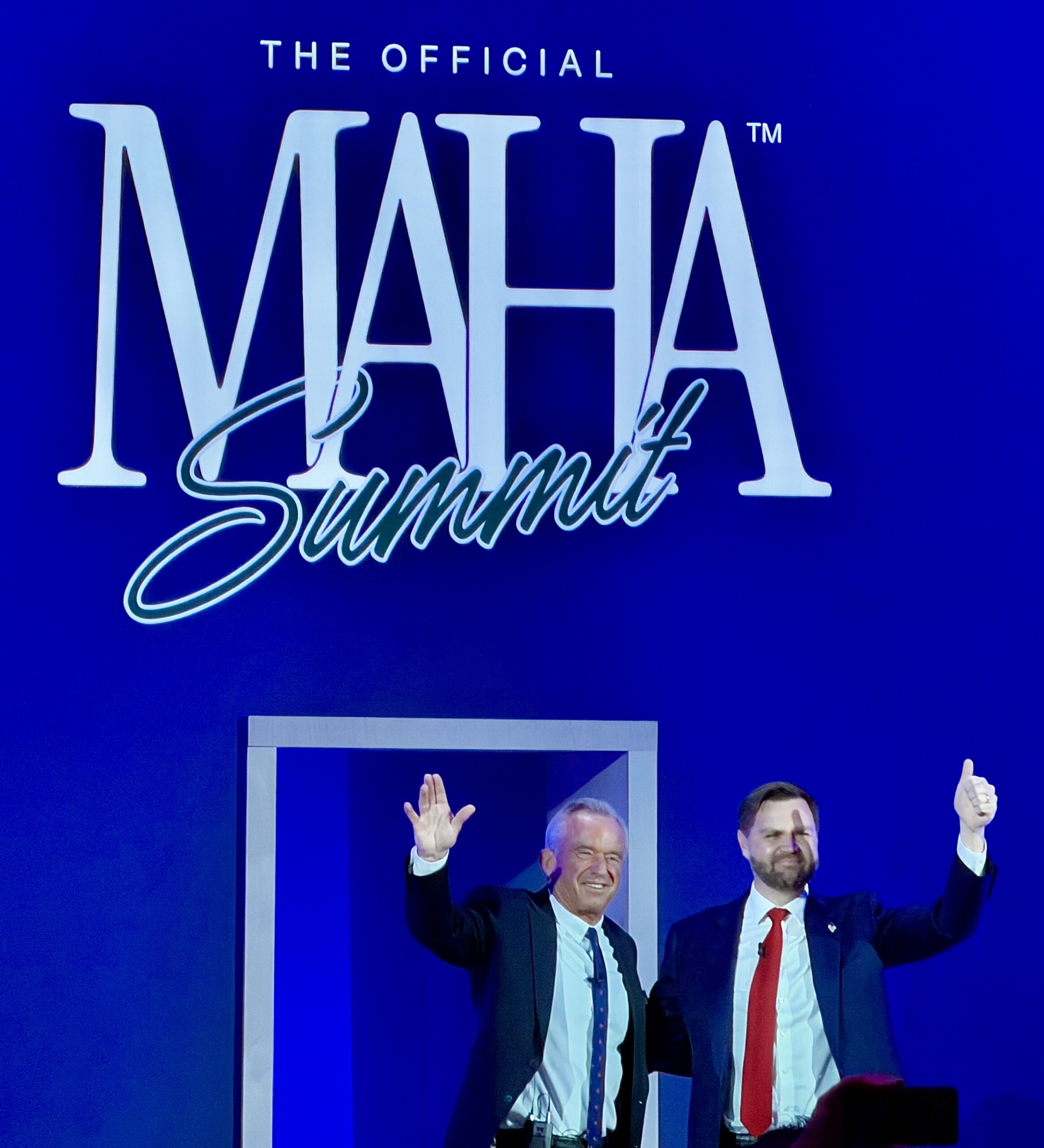
Halfway through the current presidential term, the initial optimism surrounding the "Make America Healthy Again" (MAHA) movement has collided with the rigid, geopolitical realities of the "Make America Great Again" (MAGA) doctrine. What began as a disruptive campaign to purge the American food system of ultra-processed ingredients and environmental toxins has, in practice, been subsumed by a broader, more traditional nationalist agenda. As the dust settles, the question remains: Can a government truly prioritize public health when its definition of national security is tethered to the chemical-intensive industrial status quo?
The Rise of MAHA: A Political Shift
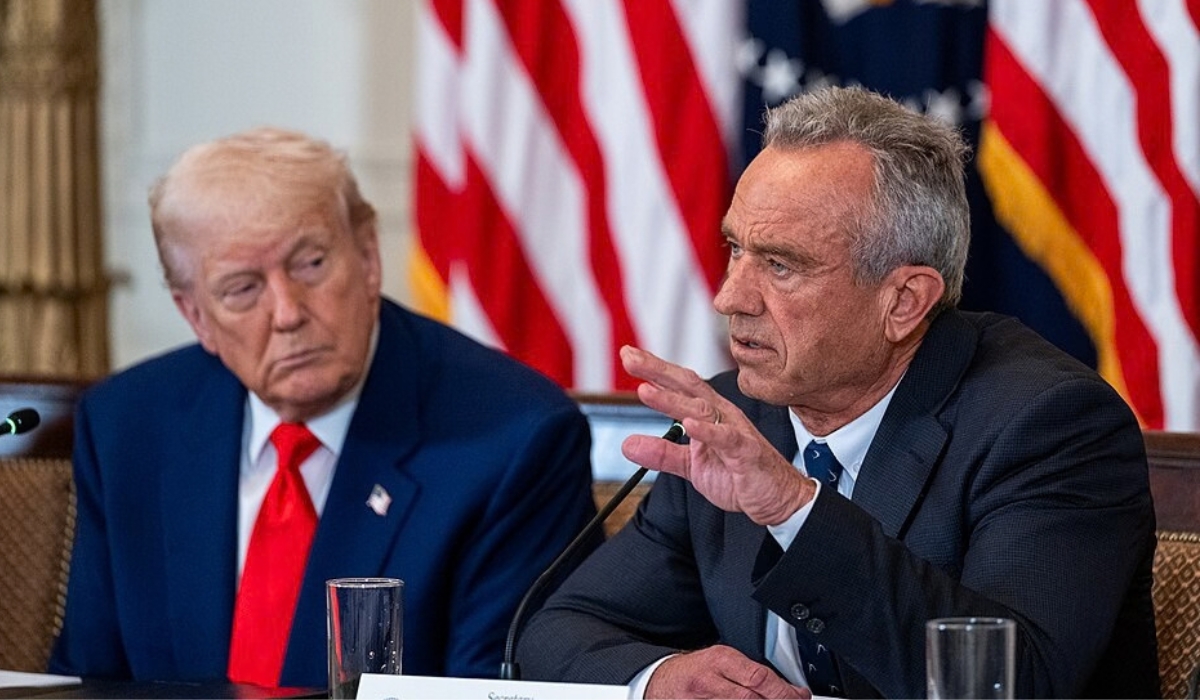
Few observers of the 2024 presidential race predicted that herbicides would become a central pillar of national political debate. Yet, the emergence of the MAHA movement, spearheaded by Robert F. Kennedy Jr., successfully bridged the gap between fringe environmentalism and mainstream conservative discourse. By drawing a direct, provocative parallel to Donald Trump’s "MAGA" slogan, Kennedy elevated the discussion regarding cardiovascular health, ultra-processed foods, and the pervasive use of agrichemicals to the front page.
For a brief, electric moment, it appeared that the link between chemical-dependent industrial farming and the nation’s skyrocketing non-communicable disease burden was finally receiving the high-level attention it deserved. When Kennedy suspended his independent campaign and threw his weight behind President Trump in August 2024, supporters anticipated a radical realignment of the Environmental Protection Agency (EPA) and the Department of Agriculture (USDA). They expected a pivot toward regenerative practices and a curbing of corporate influence. Instead, they encountered the friction of governance.
Chronology of the Policy Pivot
To understand the current state of American agriculture, one must trace the rapid sequence of events that defined the first two years of this administration’s approach to food systems.
- August 2024: The Kennedy-Trump alliance is formalized, with MAHA principles officially integrated into the broader campaign platform.
- February 2026 (The Dicamba Reversal): In a sharp departure from the previous judicial push to ban the controversial herbicide, the EPA grants new, widespread registrations for dicamba-tolerant crops, citing "new safeguards."
- February 2026 (The Defense Production Act): President Trump invokes the Defense Production Act to protect the domestic production of glyphosate, classifying it as a "national security" asset.
- Summer 2026: Public disillusionment grows among the original MAHA coalition as evidence mounts that the "Healthy Again" platform has been sidelined in favor of "Strategic Resilience."
The Dicamba Controversy: A Case Study in Regulatory Capture
The saga of dicamba serves as the most potent symbol of the administration’s shifting priorities. In 2024, a federal court issued a landmark ruling halting the widespread use of the herbicide, validating years of complaints from farmers whose crops were destroyed by "drift"—the tendency of the chemical to travel beyond its intended target. For many, this was a clear victory for environmental safety and the protection of non-GMO farming operations.
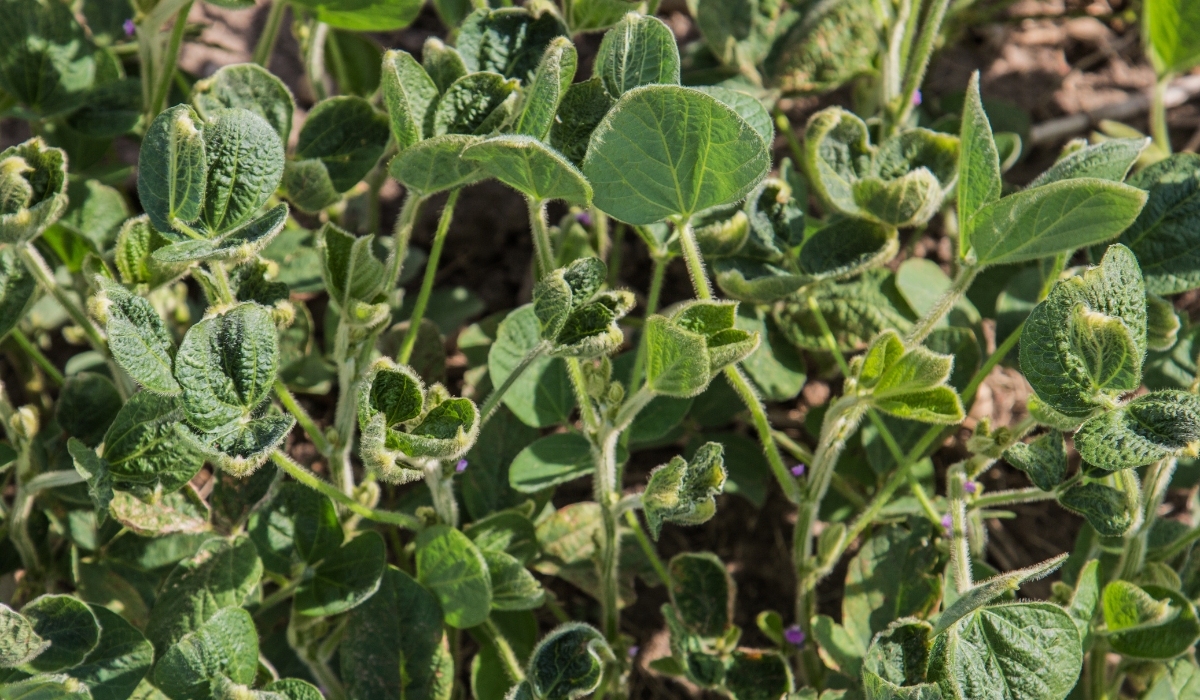
However, in 2026, the EPA executed a total reversal. Officials argued that the implementation of "stronger protections"—including tighter temperature restrictions and larger buffer zones—rendered the chemical safe for use on soybean and cotton crops. Environmental advocates were scathing in their assessment. George Kimbrell of the Center for Food Safety characterized the move as a betrayal, asserting that the administration had opted to protect corporate profit margins over the stability of independent farming ecosystems.
Glyphosate and the New Definition of "National Security"
If the dicamba reversal was a sign of the times, the designation of glyphosate as a matter of "national security" was the final nail in the coffin for the radical reform movement. By invoking the Defense Production Act (DPA) in February 2026, the administration framed the herbicide not as a farm input, but as a critical component of American sovereignty.
The logic, while technically complex, is politically simple: the United States remains heavily reliant on imported chemical precursors, particularly from China. To achieve the MAGA objective of reducing dependency on foreign supply chains, the administration determined that domestic glyphosate manufacturing must be fortified. Consequently, the chemical that was once the primary target of MAHA activists has been transformed into a strategic national asset. This move effectively immunized the industrial agricultural model from further regulatory scrutiny, as criticizing the "backbone of production" is now viewed through the lens of criticizing national defense.
Supporting Data: The Fragility of Industrial Monocultures
The administration’s argument—that chemical-intensive monocultures are essential for security—stands in stark contrast to the findings of agricultural science. Industrial monocultures are inherently high-output, but they are also profoundly fragile.
- Ecological Depletion: The reliance on herbicides creates a treadmill effect. As natural ecological controls are destroyed, farmers are forced to apply ever-higher volumes of chemicals to manage the resulting pest and disease outbreaks.
- Climate Vulnerability: Research consistently shows that biodiversity in farming acts as a hedge against climate volatility. Systems that depend on chemical inputs to force growth are significantly more susceptible to the systemic shocks posed by droughts, wildfires, and shifting weather patterns.
- The "Supercharged" Risk: With the impending threat of extreme weather events, such as the predicted supercharged El Niño, the current focus on maintaining a status quo of intensive chemical inputs ignores the need for foundational resilience. Soil health, crop diversity, and natural pest regulation are not merely "lifestyle" choices for organic farmers; they are the necessary insurance policies for a nation’s food security.
Official Responses and Implications
The administration defends these moves as pragmatic, arguing that a transition to regenerative or chemical-free agriculture cannot happen overnight without risking a collapse in domestic food production. Their argument centers on the need for stability; they contend that in an era of global conflict and supply chain instability, "security" means predictability.
However, the implications of this policy shift are far-reaching. By tethering food security to the continued, mass-scale application of herbicides, the administration has effectively signaled that the "MAHA" experiment is over—at least in its original, reformist form.
For the millions of Americans who supported the movement out of concern for their health, the takeaway is sobering. The promise of an agricultural system that prioritizes human biology over chemical industrialism has been sacrificed at the altar of geopolitical strategy. The administration’s pivot has made it clear: while they may talk about "health," the levers of power are still pulled by those who view the land as a factory, not an ecosystem.
Conclusion: A Call for a New Paradigm
The path forward requires a fundamental shift in how we define security. True national resilience is not found in the stockpiling of herbicides or the protection of chemical manufacturing, but in the restoration of the landscape.
As we look toward the future, the lessons of the last two years are inescapable. We can no longer rely on an uncertain, globalized supply of pesticides and synthetic fertilizers to secure our dinner tables. We must build resilience into the soil itself. Whether through local food systems, crop diversification, or the reduction of synthetic dependency, the transition to a truly healthy food system remains the most urgent challenge of our time.
If the government will not lead this transition, it will fall to the farmers, the innovators, and the public to ensure that our food system is fortified against the inevitable shocks of the 21st century. The era of the MAHA-MAGA compromise has proven that political slogans are no substitute for systemic change; only through a deep, structural shift in agricultural philosophy can we ensure that the American food system is truly healthy for both the people who rely on it and the planet that sustains it.

 Asep Darmawan

 Layla Zulfa

