

 Nana Wu

 Dwi Wanna

 Suro Senen

 Evan Lee Salim

 Asro
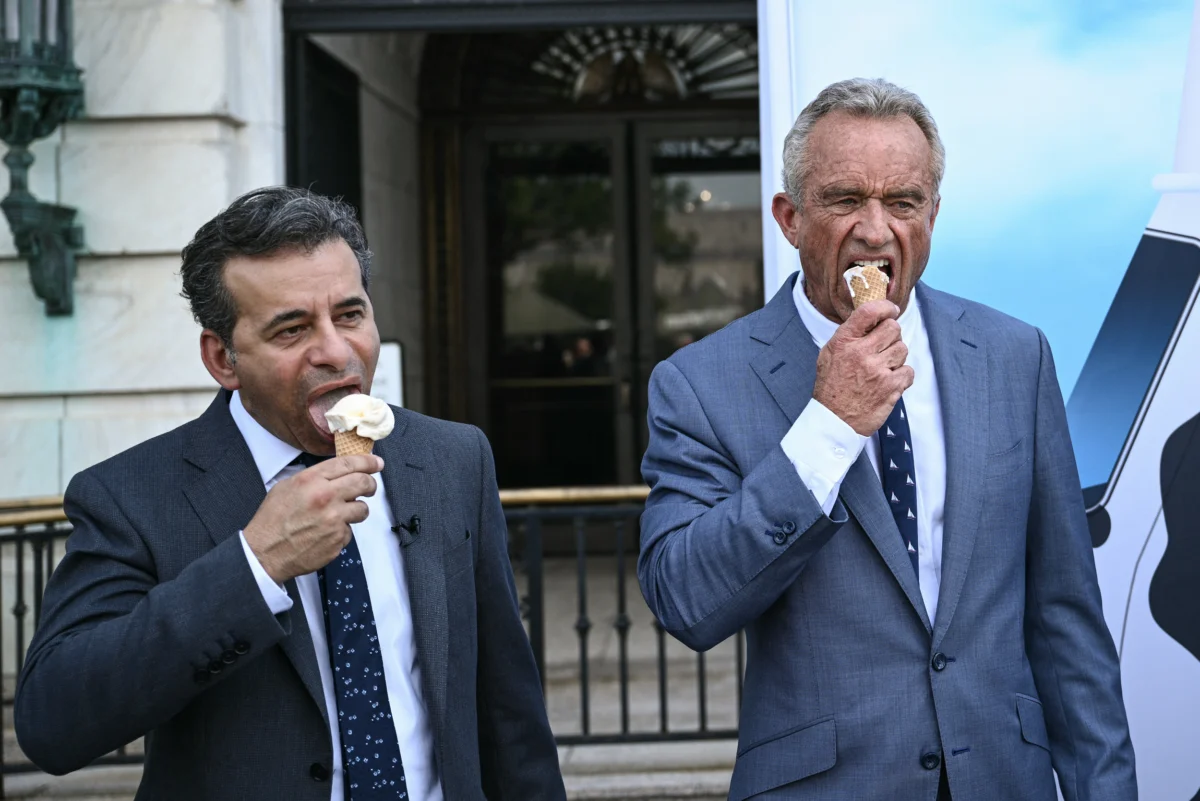
When Robert F. Kennedy Jr. aligned his “Make America Healthy Again” (MAHA) movement with Donald Trump’s 2024 campaign, he effectively reshaped the American political landscape. The coalition—a potent mix of wellness enthusiasts, vaccine skeptics, and anti-corporate food activists—was credited by many analysts as a decisive factor in Trump’s return to the White House. Yet, as the administration matures and the midterm elections loom, a profound internal friction has emerged. The movement, which was built on the backs of grassroots female organizers, has seen its leadership captured by a cohort of men whose focus has drifted from the “whole-food” mission toward the sensibilities of the modern “manosphere.”
The Genesis: A Movement Built by Women
The foundation of MAHA was, and remains, rooted in the lived experiences of women. From Instagram influencers evangelizing raw milk to mothers protesting the prevalence of synthetic dyes and agricultural chemicals like glyphosate, the movement gained traction by addressing the “toxic” reality of modern American life.
For many, the entry point was personal crisis. Kelly Ryerson, an activist and writer known as “Glyphosate Girl,” describes a common trajectory: women facing chronic illnesses—in themselves or their children—that traditional medicine failed to address. Their advocacy was practical, grounded in the supermarket aisle, and focused on the safety of the food supply. By the time RFK Jr. entered the 2024 race, these women had already created a massive, decentralized network of concerned citizens. They were the foot soldiers who made “food as medicine” a mainstream political talking point.

Chronology of a Shift: From Grassroots to Governance
The transition of MAHA from a kitchen-table concern to a federal priority followed a swift, tactical trajectory:
- February 2024: During the Super Bowl, a high-profile, black-and-white ad featuring Mike Tyson munching on a carrot signaled a new, "manly" iteration of the MAHA brand. The ad promoted a radical inversion of the food pyramid, placing protein and fats at the top and whole grains at the bottom.
- Summer 2024: Following the assassination attempt on Donald Trump, advisor Calley Means reportedly urged RFK Jr. to unite with the former president. This alliance solidified MAHA’s position within the Republican Party structure.
- Late 2024–Early 2025: Once in power, the administration appointed a series of prominent male figures to health agencies. Dr. Mehmet Oz (CMS), Dr. Jay Bhattacharya (NIH), and Dr. Marty Makary (FDA) assumed control, while RFK Jr. took the helm of the Department of Health and Human Services (HHS).
- Mid-2025: The administration began shifting internal priorities. HHS funding was redirected away from traditional women’s health programs toward fertility and testosterone-related initiatives.
- 2026: Tensions flared as the administration proved reluctant to regulate the chemical industry, specifically regarding glyphosate, despite it being a primary target of the MAHA base.
Supporting Data: The Protein Craze and the Manosphere
The shift in priorities is perhaps best exemplified by the administration’s obsession with protein. In the eyes of many, this is not merely a nutritional stance but a cultural signaling mechanism. Samantha King, a professor at Queen’s University and author of Protein: The Making of a Nutritional Superstar, argues that the current political “protein boosterism” is inextricably linked to anxieties about declining masculinity.
The narrative is clear: if “soy boys” are weak, then the consumption of red meat and wild game is a reclamation of strength. This ideology finds a home in the “manosphere,” where figures like Joe Rogan and Andrew Tate promote diets and lifestyle choices as a bulwark against the “feminization” of men. By aligning with these figures, the MAHA leadership has effectively rebranded a public health movement into a cultural project.

Data from the federal level reflects this pivot. When HHS announced its new leadership team to advance MAHA goals, four of the five appointees were men. Furthermore, the agency’s Title X guidance—the cornerstone of federal reproductive health—has been overhauled. The document now places significantly more emphasis on male-centric issues like erectile dysfunction and testosterone therapy than on the contraception access for which the program was originally designed.
Official Responses and Political Disconnect
The administration’s stance on the chemical industry has been a bitter pill for the movement’s founding base. While MAHA followers expected a crackdown on corporate polluters, they have instead witnessed a deregulation spree. The EPA, under industry-friendly leadership, has staffed its ranks with lobbyists, and an executive order from the White House declared glyphosate a matter of “national security,” shielding it from the very regulations the activists had campaigned for.
Despite these disappointments, figures like Kelly Ryerson remain in a state of cautious negotiation. She argues that the movement’s power lies in its ability to withhold its support. “I believe if these women are ignored, we’re going to lose the midterms,” says podcaster Alex Clark, reflecting a growing sentiment among the grassroots base that they are being used as a platform for men who have their own, diverging agendas.

On the other side of the aisle, some Democrats are beginning to recognize the opening. Representative Chellie Pingree (D-Maine) has noted that the fight against Big Ag and corporate toxicity is not a partisan issue. However, the Democratic establishment remains wary of the “quackery” associated with the movement’s more extreme fringes, leaving a vacuum where the MAHA voter currently resides.
Implications for the Midterms and Beyond
The current state of MAHA presents a classic political dilemma: what happens when a movement’s foot soldiers are sidelined by the leaders they helped install?
Historically, women have been the engine of political change in America, from the “wine moms” of the suburbs to the Black women who drive voter turnout in key demographics. In both cases, these women often faced mockery before their influence was acknowledged. The question now is whether the women of MAHA will accept their current status as figureheads, or if they will pivot to a new political home.

The risk for the Republican Party is clear. If they fail to address the core “kitchen table” issues of the MAHA women—food additives, microplastics, and corporate accountability—they risk losing the support of a constituency that has proven it can mobilize on a national scale. As Ryerson puts it, these voters are “up for grabs.”
The irony is palpable: the movement that claimed it would “Make America Healthy Again” has, through its obsession with the “manosphere” and the protection of industrial interests, alienated the very people who defined the mission. Whether this is a temporary realignment or the beginning of a larger fracturing of the MAGA-MAHA alliance will likely be determined in the ballot boxes of the upcoming midterm elections.
Ultimately, the trajectory of MAHA serves as a reminder that political movements are often defined not by their stated goals, but by the power dynamics of those who hold the microphone. As the administration focuses on testosterone and protein, the mothers and activists who started this fire are watching closely, and they are prepared to extinguish the support they once provided if their voices continue to be drowned out by the noise of the manosphere.


 Asep Darmawan

 Layla Zulfa

