Nana Wu

 Dwi Wanna

 Suro Senen

 Evan Lee Salim

 Layla Zulfa
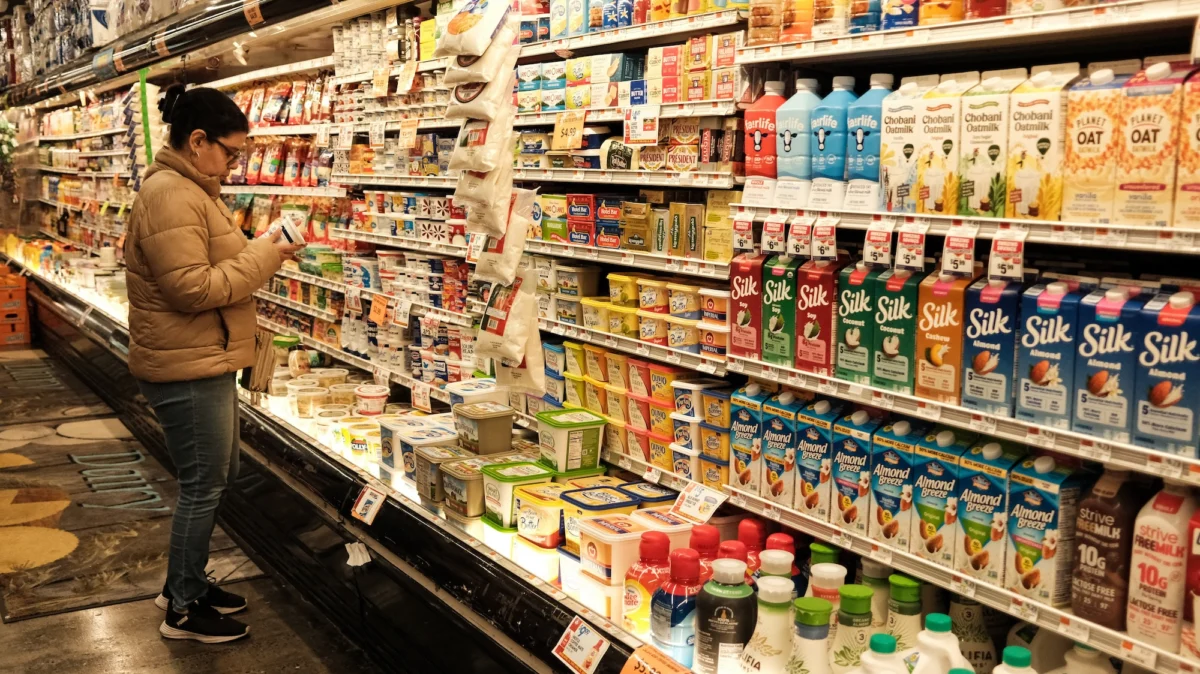
When you reach into your refrigerator for a carton of yogurt or pull a can of tuna from the pantry, you are likely checking the expiration date to ensure the food is safe for consumption. However, a startling new study suggests that the most significant risk to your health may not be the age of the food, but the container that holds it.
According to a groundbreaking peer-reviewed study published this week in the journal Environmental Science & Technology, the global food supply chain is saturated with thousands of chemicals that migrate from packaging into our daily meals. The research, led by the nonprofit Food Packaging Forum Foundation, reveals that we are currently operating in a massive, uncontrolled experiment regarding human chemical exposure.
The Scope of the Problem: A "Jaw-Dropping" Reality
The research team, spearheaded by Jane Muncke, managing director at the Food Packaging Forum, analyzed more than 15,000 chemicals known to be used in food processing and packaging. Their findings are both comprehensive and alarming. Of these 15,000 substances, 1,222 have been identified as posing significant health risks, including links to cancer, reproductive harm, and endocrine disruption.
Even more unsettling is the "elephant in the room" identified by the researchers: 87 percent of the chemicals analyzed—over 13,200 substances—lack sufficient publicly accessible data to even estimate their potential risks to human health.
"Consumers trust that when regulators allow chemicals in products like food packaging, it’s because it’s been through rigorous safety testing," Muncke said. "But that’s not the case. And it doesn’t make sense."
Chronology of Chemical Oversight and Regulation
The journey to this discovery has been marked by a fragmented approach to global chemical safety. For years, individual nations have maintained their own lists of "approved" substances for food contact, leading to a patchwork of regulations across the United States, Europe, Japan, China, and South America.
- Initial Data Collection: Over several years, the Food Packaging Forum team compiled vast databases of substances approved by these various regulatory bodies or identified in existing scientific literature.
- The 2023 Analysis: Following earlier efforts to map out the sheer volume of chemicals used in the industry, the team began the arduous process of categorizing these substances based on toxicity and exposure pathways.
- September 2026: The release of the Environmental Science & Technology study marks the first time this massive list has been systematically ranked into tiers, providing a clear roadmap for what the scientific community calls "priority substances."
The researchers categorized these chemicals into four tiers. Tier 1, the highest priority for regulatory intervention, consists of 94 chemicals that have been definitively detected in human biological samples—such as blood, breast milk, or urine—and are known to leach from packaging into food.
Supporting Data: What’s in Your Grocery Bag?
The study highlights a dangerous list of "priority" chemicals that have become ubiquitous in modern life. Among these are:
- PFAS ("Forever Chemicals"): Used for their grease- and water-resistant properties in food wrappers, these chemicals are notorious for their persistence in the environment and the human body, with links to liver and immune system damage.
- Styrene: A likely carcinogen used in the production of takeout containers and refrigerated dairy packaging.
- Phthalates: Often added to plastics to increase flexibility, these are well-documented endocrine disruptors, frequently found in bottles holding vegetable oils.
- Bisphenol A (BPA): Perhaps the most infamous of the group, used in hard plastics and can linings, known for its ability to impair human development even at low doses.
The migration of these chemicals is not hypothetical. Peer-reviewed research has confirmed their presence in a vast array of common consumables, including water, infant formula, orange juice, ice cream, yogurt, and various fatty foods.
The "Non-Intentionally Added" Problem
A significant portion of the chemical migration problem stems from what scientists call "non-intentionally added substances" (NIAS). These are chemicals that end up in packaging as impurities or byproducts of the manufacturing process. Because producers often keep their chemical recipes proprietary, it is nearly impossible for regulators—let alone consumers—to identify exactly what is leaching into a product until it has already been ingested.
The Vulnerability of the Most Fragile
Perhaps the most concerning aspect of the study is its focus on infant and child exposure. Muncke and her colleagues have raised urgent concerns regarding plastic pouches used for baby food and juices.
"A greater volume of chemicals get into baby food because the ratio of packaging to food is much greater in a small serving size," Muncke explained. Furthermore, the sterilization process for these pouches—often involving high heat—serves as a catalyst, accelerating the migration of chemicals from the plastic into the food and contributing to the formation of microplastics.
A 2023 study published in Chemosphere echoed these findings, warning that infants are likely subject to constant, low-level exposure to NIAS through pouched food products. The long-term neurological and physical developmental effects of this chronic exposure remain largely unstudied, which is exactly the gap the current research seeks to expose.
Official Responses and Industry Stance
The response from industry trade groups has been notably muted. Inside Climate News reached out to the American Chemistry Council and the Food Packaging Coalition, requesting that they release hazard information regarding the chemicals their members utilize and inquiring whether they intended to phase out known hazardous substances.
Neither organization provided a direct response. However, the Food Packaging Coalition has long maintained a public stance that modern packaging is meticulously designed to prevent the transfer of chemical components into food, asserting that all materials currently in use are "safe and suitable for their intended use."
Independent experts, however, are skeptical of this narrative. Maricel Maffini, an independent chemical safety and regulation expert, notes that while the study is a massive step forward, it is essentially "looking under the proverbial lamppost." Because the study relies on lists already recognized by regulators, it ignores the vast ocean of unknown chemicals that haven’t even been identified or listed yet.
"There is so much information beyond that list that is missing," Maffini said. "Many of these chemicals should not be on the market, or at the very least, should have much stronger regulations."
Implications: A Call for Systemic Change
The implications of this study are profound. It suggests that the current regulatory model—which allows chemicals to hit the market until they are proven dangerous—is fundamentally broken.
Helene Wiesinger, a chemist and scientific officer at the Food Packaging Forum, advocates for a "precautionary principle." She believes that the burden of proof should rest with the chemical manufacturers. "A product or chemical should not be allowed on the market until a company can prove that it’s safe," she argues.
For immediate action, the authors suggest that regulators at least prioritize chemicals that share structural similarities with those already known to be toxic. If a chemical mimics the molecular structure of a known carcinogen, it should be treated with the same level of scrutiny.
As the scientific community continues to map the intersection of packaging and human health, one thing is becoming clear: the "sell-by" date on your food is only one measure of safety. The true challenge for the next decade will be forcing transparency into the supply chain, ensuring that the packaging that protects our food doesn’t simultaneously poison the people who eat it.


 Asep Darmawan