

 Nana Wu

 Dwi Wanna

 Suro Senen

 Evan Lee Salim

As another year draws to a close, we find ourselves reflecting on the complex, often fractured relationship between our dinner plates and the planet. From the microscopic world of the gut microbiome to the vast, systemic failures of industrial agriculture, the literature published over the last twelve months offers a profound map for navigating these challenges.
This curated collection of non-fiction is designed to keep you engaged, informed, and inspired well into the coming year. These titles do more than just critique the status quo; they offer actionable solutions and a necessary dose of optimism for anyone invested in the future of food, farming, and human health.
1. Soil, Science, and the Gut: A New Paradigm for Health
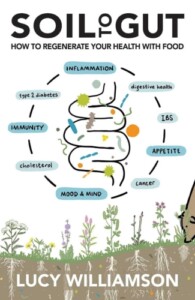
Soil to Gut: How to regenerate your health with food
Author: Dr. Lucy Williamson | Publisher: 5M Books Ltd

Dr. Lucy Williamson brings a rare, dual-lens perspective to the table. Having spent 15 years as both a farm and small animal vet before retraining as a public health nutritionist, she bridges the gap between animal welfare, land management, and human biology.
Soil to Gut argues against the reductionist food fads that dominate contemporary wellness culture. Instead, Dr. Williamson posits that true health is an ecological process. By fostering a diverse gut microbiome, we can create an internal environment that supports our well-being. Central to her thesis is the "nutrient cycle"—the natural loop moving nutrients from soil, through plant roots, to pasture and plate. As intensive farming continues to deplete soil health, we face an epidemic of "hidden hunger," where caloric intake is high but nutritional density is dangerously low. This book is a practical, evidence-informed guide for those looking to align their dietary choices with the health of the earth.
2. Unmasking the Industrial Food System
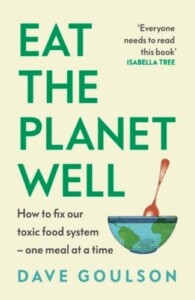
Eat the Planet Well: How to fix our toxic food system – one meal at a time
Author: Dave Goulson | Publisher: Jonathan Cape
Noted environmentalist Dave Goulson, widely respected for his work on insect ecology, pivots here to a broader, more urgent investigation: the "toxic" nature of our modern food system. Goulson illustrates how ultra-processed foods, the reliance on synthetic pesticides, and the degradation of animal welfare have created a system that is as harmful to the consumer as it is to the planet.
Goulson’s analysis is methodical, breaking down the problem into digestible chapters such as Carbon, Cows and Climate Change and Limited Land and Water. He argues that the solution lies in organic, nature-positive farming. By understanding the true value of biodiversity, we can dismantle the industrial habits that threaten our long-term food security.
3. Agency and Activism: Rebuilding the System
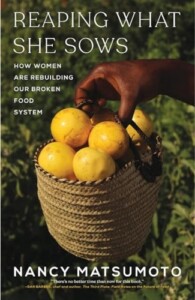
Reaping What She Sows: How women are rebuilding our broken food system
Author: Nancy Matsumoto | Publisher: Melville House Publishing
It is a familiar refrain: our food system is broken. Yet, supermarket shelves remain full, leading many to a state of paralysis or apathy. Reaping What She Sows acts as a potent antidote to this resignation.
Matsumoto highlights the stories of women globally who are spearheading the transition toward a more equitable system. Historically sidelined in industrial agriculture, women have emerged as the primary innovators in sustainable, community-led food movements. From racial justice advocates in agriculture to leaders of vertically integrated cooperatives and sustainable fisheries, these women are proving that change is not solely the province of policymakers. Matsumoto challenges the consumer to act, urging us to look past the "Big Food" facade and actively seek out ethical supply chains.
How to Fall in Love with the Future: A time traveller’s guide to changing the world
Author: Rob Hopkins | Publisher: Chelsea Green Publishing UK
Climate anxiety is a pervasive feature of modern life, but Rob Hopkins offers a refreshing departure from doom-scrolling. Using the metaphor of a "time machine"—the power of human imagination—Hopkins invites readers to envision a 2030 that is greener, quieter, and more communal.
Rather than relying on abstract optimism, Hopkins provides concrete examples of transformation. He points to towns in France where school lunches are 80% locally sourced and organic, and German districts that have successfully reclaimed urban space from the private car. This book is an urgent call to action, demanding that we stop accepting the current trajectory as inevitable and start designing the world we actually want to inhabit.
4. Justice Behind Bars: The Ethics of Prison Nutrition
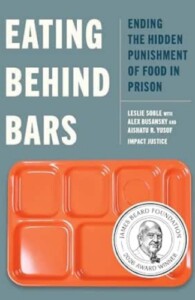
Eating Behind Bars: Ending the hidden punishment of food in prison
Authors: Leslie Soble, Alex Busansky, and Aishatu R. Yusuf | Publisher: New Press

Winner of a James Beard Foundation Media Award, Eating Behind Bars exposes a neglected human rights issue: the abysmal quality of nutrition provided to incarcerated individuals in the US. Drawing on a landmark 2020 investigation by the non-profit Impact Justice, the authors detail a system where rotten food, contaminated water, and metal-flecked meals are the norm.
The book is not just a report of neglect; it is a catalog of resistance. It highlights successful reform efforts, such as the "Chefs in Prisons" program in Maine, which integrates culinary training and local sourcing into correctional facilities. The core message is clear: food is medicine. Treating food as a weapon of punishment is counter-productive to public safety and rehabilitation. True safety is found when basic needs—sustenance, connection, and purpose—are met with dignity.
5. Terroir and Tradition: The Science of Flavour
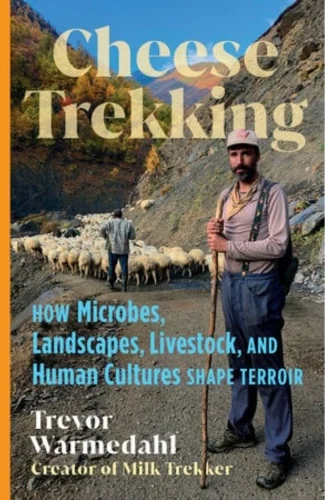
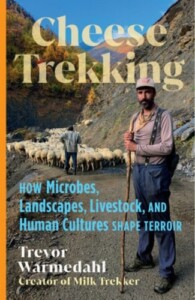
Cheese Trekking: How microbes, landscapes, livestock and human cultures shape terroir
Author: Trevor Wamedahl | Publisher: Chelsea Green
Terroir is a concept often reserved for fine wine, but as Trevor Wamedahl demonstrates, it is equally vital in the world of cheesemaking. Cheese Trekking explores the "living microbial communities" that shape cheese, from Mediterranean sheep grazing on wild flowers to Mongolian yak herders using traditional, centuries-old techniques.
Wamedahl identifies four "layers of terroir": the livestock, the environment, the microbial community, and the cultural knowledge passed down through generations. He makes a compelling case for "deep terroir," arguing that when we standardize processes and rely on commercial starter cultures, we lose the unique aromatic correlation between a food and its place of origin. For those curious about the intersection of microbiology and culinary heritage, this is a masterful deep dive.
6. A Historical Lens on Childhood Nutrition
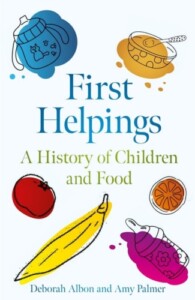
First Helpings: A history of children and food
Authors: Deborah Albon and Amy Palmer | Publisher: Reaktion Books
In First Helpings, Albon and Palmer provide a rigorous yet narrative-driven history of how British children have been fed from the medieval period to the present day. By surfacing the voices of children—often missing from historical records—the authors explore the shifting, and often contradictory, ideologies surrounding childhood nutrition.
The book covers an impressive range of topics: from wartime rationing and the politics of breastfeeding to the role of gendered labor in the kitchen. The final chapter, which focuses on contemporary food poverty, provides the book with a somber sense of urgency, reminding us that the "right way" to feed a child has been a battleground for centuries.
Additional Essential Reads
As we look toward the new year, we also recommend the following titles for those wishing to expand their understanding of food policy and justice:
- The Future of Food Policy in the UK: Recipe for Change by Honor May Eldridge: An essential text for understanding how to future-proof our food security in an era of political instability.
- The Last Cows: On Ranching, Wonder, and a Woman’s Heart by Kathryn Wilder: A beautifully written exploration of the complexities of contemporary ranching in the American West.
- Gather: Black Food, Nourishment and the Art of Togetherness by Ashanté M. Reese: A vital work on food justice that centers the resilience and communal nourishment of Black communities over the individualistic focus of mainstream nutrition.
Conclusion: The Power of the Consumer
The common thread running through this year’s literature is the recognition of human agency. Whether it is through the food we buy, the gardens we grow, or the policies we advocate for, we possess the power to shape the future of our food system. As we move into the coming months, these books serve as a reminder that the path toward a more sustainable and equitable world is built one meal, one choice, and one story at a time.

 Asep Darmawan

 Layla Zulfa

