Nana Wu

 Dwi Wanna

 Suro Senen

 Evan Lee Salim

 Siti Muinah
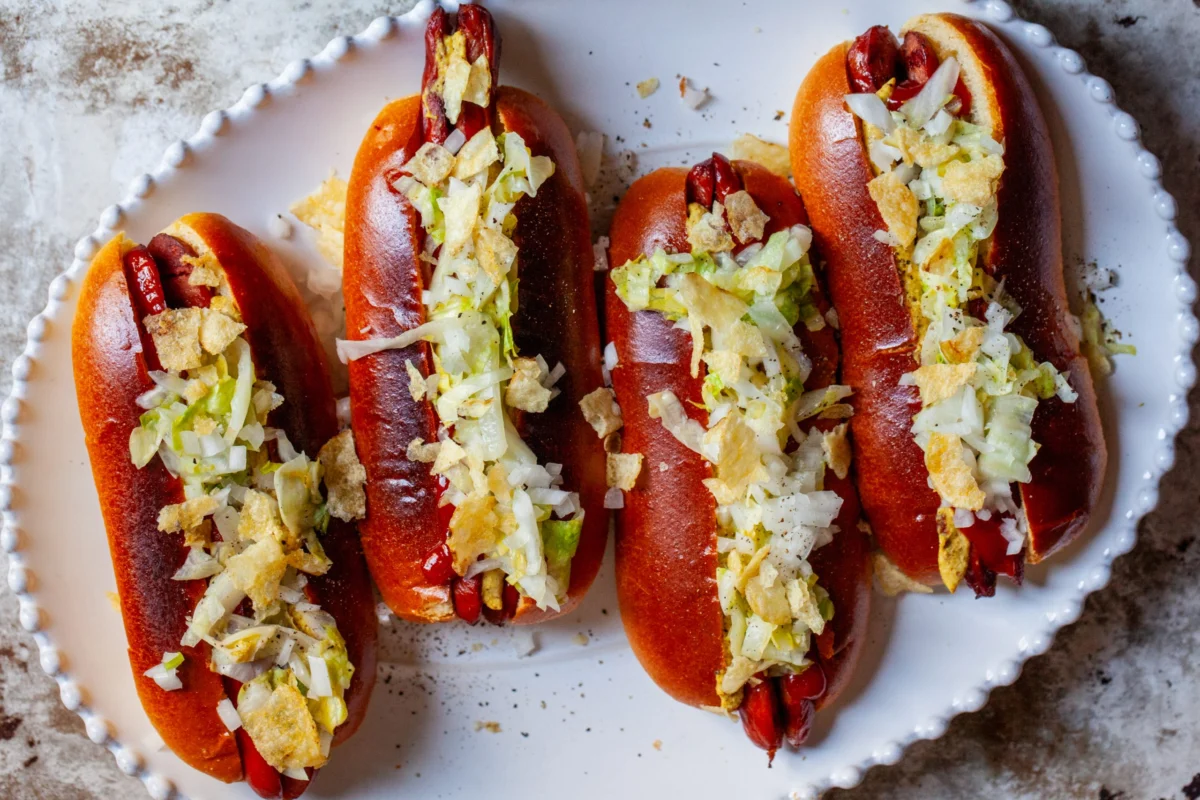
For generations, the hot dog has served as the quintessential American culinary standby. Whether enjoyed at a rain-delayed baseball game, a backyard Fourth of July barbecue, or as a quick midnight snack, the frankfurter is ingrained in the cultural fabric of the United States. However, the culinary world is currently witnessing a movement to elevate this humble staple beyond the standard "ketchup and mustard" paradigm.
Leading this charge is Deb Perelman of Smitten Kitchen, who has recently offered a definitive guide on how to transform the standard store-bought hot dog into a gourmet experience. While Perelman is renowned for her penchant for scratch-made kitchen staples—ranging from artisanal bagels and homemade cream cheese to complex fig newtons—she draws a clear line at the industrial processing of meat. Leaving the delicate science of curing and emulsifying to the professionals at producers like Hebrew National, Perelman instead focuses her expertise on the preparation, technique, and textural interplay of the finished product.
Main Facts: The Anatomy of a Better Hot Dog
The modern approach to the hot dog focuses on three distinct pillars: structural integrity, textural contrast, and flavor balance. According to the latest culinary trends in home cooking, the secret to a superior hot dog lies not in the quality of the meat alone, but in the "butterfly" method of cooking.

The Butterfly Technique
By splitting the hot dog down the center while keeping the bottom hinge intact, cooks can flatten the meat. This serves two primary functions. First, it increases the surface area in contact with the heat source—whether a cast-iron skillet or a backyard grill—resulting in a superior, caramelized crust. Second, the flat surface provides a stable "cradle" for toppings, effectively preventing the dreaded "hot dog roll," where the frankfurter slips out of its bun during consumption.
The Rise of Vinegared Iceberg
The most innovative addition to the classic hot dog profile is the introduction of "vinegared iceberg." While traditional slaw can often be too heavy or mayonnaise-laden, quick-pickled iceberg lettuce offers a crisp, acidic crunch that cuts through the rich, fatty profile of the processed meat. By soaking shredded lettuce in a brine of water, vinegar, sugar, and salt, the cook achieves a refreshing, chilled topping that provides essential acidity.
The Textural Crunch of Potato Chips
Drawing inspiration from Latin American street food, particularly the popular Venezuelan hot dog styles, the inclusion of crushed potato chips—or ultra-thin potato sticks—has become a hallmark of the elevated frank. The contrast between the soft, warm bun, the savory, crisp hot dog, and the shattering crunch of salt-dusted chips creates a multi-sensory eating experience that simple mustard cannot provide.

Chronology: The Evolution of the Frankfurter
To understand the current obsession with elevating the hot dog, one must look at its history. The hot dog, or "frankfurter," finds its roots in the German city of Frankfurt, eventually migrating to the United States with European immigrants in the 19th century.
- Late 1800s: The "dachshund sausage" is introduced to American street carts, gaining popularity as a convenient, portable meal.
- Early 1900s: The hot dog becomes synonymous with American sports culture, specifically at New York baseball stadiums, solidifying its place in the American diet.
- Mid-20th Century: The industrialization of meat processing, led by brands like Hebrew National, standardizes the quality and safety of the hot dog, making it a reliable household staple.
- 2020s: A shift toward "home-chef" culture, accelerated by the pandemic and a desire for high-quality, at-home comfort food, leads to the current trend of refining the assembly and topping combinations of the classic dog.
Supporting Data: Why Technique Matters
Culinary science tells us that the Maillard reaction—the chemical reaction between amino acids and reducing sugars that gives browned food its distinctive flavor—is critical to the hot dog. By using a heavy press during the cooking process, the heat transfer is intensified.
Data from culinary testing indicates that a butterflied hot dog cooked under a press reaches an internal temperature and surface crispness 30% faster than a traditional whole-casing dog. Furthermore, the application of cold, vinegared vegetables provides a temperature contrast that acts as a palate cleanser, mitigating the saltiness inherent in the curing process.

Official Perspectives and Professional Insights
Professional chefs have long noted that the "topping-to-meat ratio" is often ignored in home kitchens. The consensus among those advocating for the "Vinegared Iceberg" method is that the acidity of the vinegar acts as a necessary counterpoint to the salt and fat of the frankfurter.
In the words of proponents like Perelman, the goal is to make the hot dog a "complete meal." This involves treating the hot dog bun not just as a vessel, but as a structural component that must hold up to the moisture of the pickles and the weight of the chips.
Furthermore, as climate change results in increasingly frequent "heat domes" across the United States, culinary experts are advocating for "indoor-centric" methods. The reliance on outdoor charcoal grills is being challenged by high-heat oven-searing and cast-iron stovetop techniques, which allow for consistent results without subjecting the chef to extreme environmental temperatures.

Implications: A Shift in Home Dining Culture
The movement toward the "elevated hot dog" carries broader implications for the American food landscape.
1. The Democratization of Gourmet Dining
The rise of the "gourmet hot dog" illustrates that home cooking does not need to be expensive or complicated to be refined. By utilizing common, affordable ingredients—iceberg lettuce, vinegar, sugar, and potato chips—home cooks can achieve a level of flavor complexity typically found in high-end gastropubs.
2. Global Fusion in Local Kitchens
The adoption of Latin American topping styles (like the inclusion of potato chips/sticks) highlights the ongoing fusion of global culinary traditions into the American mainstream. This cultural exchange has been facilitated by digital media and travel documentation, which bring international street food concepts into the living rooms of the average American household.

3. A Humanitarian Connection
It is important to acknowledge that the appreciation for these global foods often brings awareness to the regions from which they originate. For instance, the popularity of Venezuelan-style hot dog components has served as a touchstone for discussions regarding the humanitarian crises currently affecting Venezuela. Following natural disasters, such as the recent twin earthquakes, food-focused communities have pivoted to support organizations like World Central Kitchen. This demonstrates that the culinary community is not only concerned with the aesthetics of food but also with the global stability of the regions that inspire our meals.
4. Sustainability and Preparedness
As temperatures rise, the kitchen is undergoing a functional shift. The trend of using oven-based cooking for items traditionally associated with the grill—such as pulled pork, ribs, and, yes, hot dogs—reflects an adaptive strategy to extreme weather. This shift highlights a broader trend in home sustainability: making the most of one’s existing indoor resources to maintain culinary standards, regardless of the climate outside.
Conclusion
The hot dog, while simple in its conception, remains a canvas for infinite creativity. Whether one chooses to stick to the traditional mustard-and-kraut approach or ventures into the world of vinegared iceberg and crumbled potato chips, the core message remains the same: preparation is everything. By paying attention to how we slice, sear, and garnish our food, we transform a simple lunch into a deliberate, enjoyable, and sophisticated experience. In an era of increasing complexity, there is a profound, grounded pleasure in mastering the art of the perfect hot dog.

 Ali Ikhwan