
 Lina Hope
 Jia Lissa
 Pevita Pearce

 Ammar Sabilarrohman

As the frost recedes across North America, May serves as the definitive turning point for the agricultural calendar. For farmers and market gardeners alike, this month is not merely a period of transition; it is the critical window that dictates the viability and profitability of the upcoming season. Whether you are managing a high-output market operation or a diversified homestead, the decisions made in May regarding crop selection, variety, and methodology will resonate well into the autumn harvest.
Main Facts: The Strategic Imperative of May
The primary challenge for any grower in May is navigating the duality of climate. For those in warmer, southern latitudes, the focus shifts toward heat-tolerant crops capable of thriving under the intensifying sun. Conversely, for growers in northern regions or high-altitude environments, May represents the final push to establish summer crops while simultaneously preparing for the short, intense growth periods required for autumn harvests.
Modern agriculture increasingly relies on “extensional techniques”—such as row covers, mulching, and precise irrigation—to create microclimates that buffer against unseasonable volatility. By manipulating day length awareness and thermal mass, farmers can successfully cultivate varieties that were once considered “atypical” for their specific geography.
However, the most successful growers emphasize that crop selection must be a marriage between environmental suitability and market demand. While experimenting with new varieties fosters biodiversity and resilience, the core of a sustainable farm remains the proven, high-yield crops that ensure consistent revenue at the farmers’ market.
Chronology: The Lifecycle of a May-Planted Crop
Understanding the temporal requirements of your crops is vital. In May, the strategy is categorized into two distinct workflows: direct sowing and transplanting.
The Transplant Window
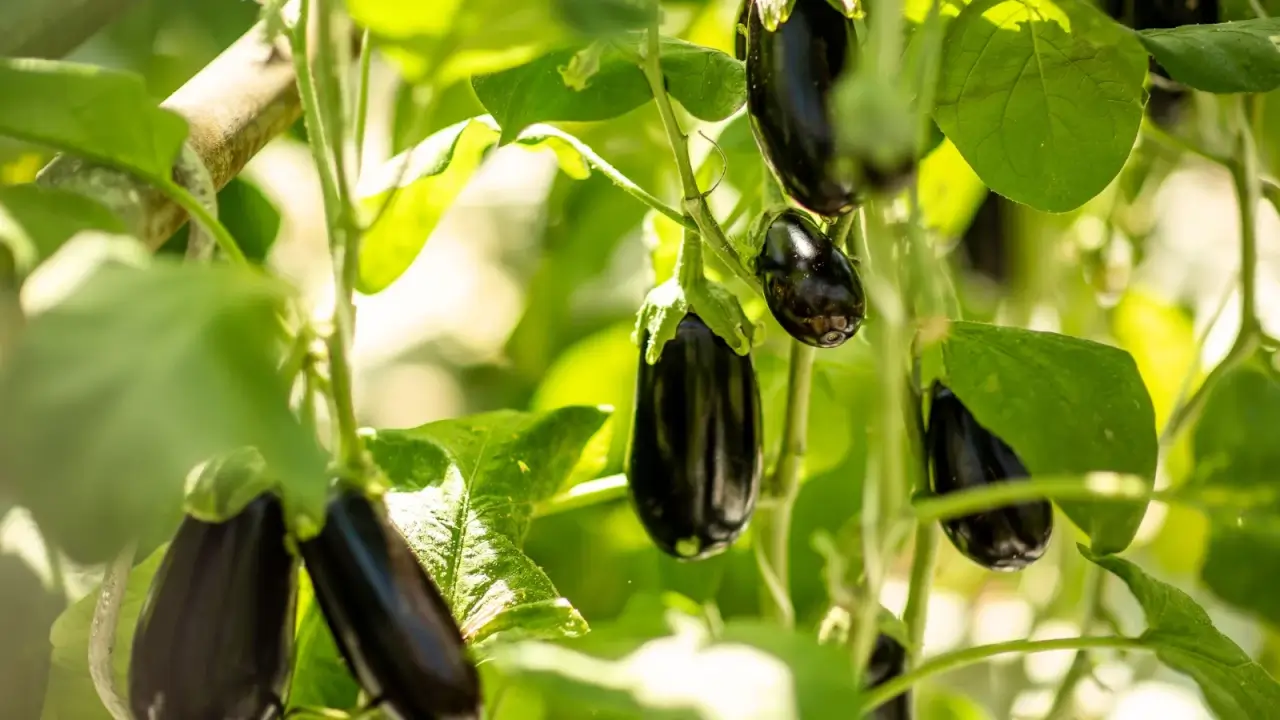
Crops such as eggplants, which demand a long, warm growing season of at least 10 weeks, are best started indoors or purchased as hardened-off seedlings to be transplanted in early May. By transplanting, growers bypass the vulnerable germination stage, ensuring the plant reaches its maturity threshold before the first frost in late autumn.
The Direct-Sow Strategy
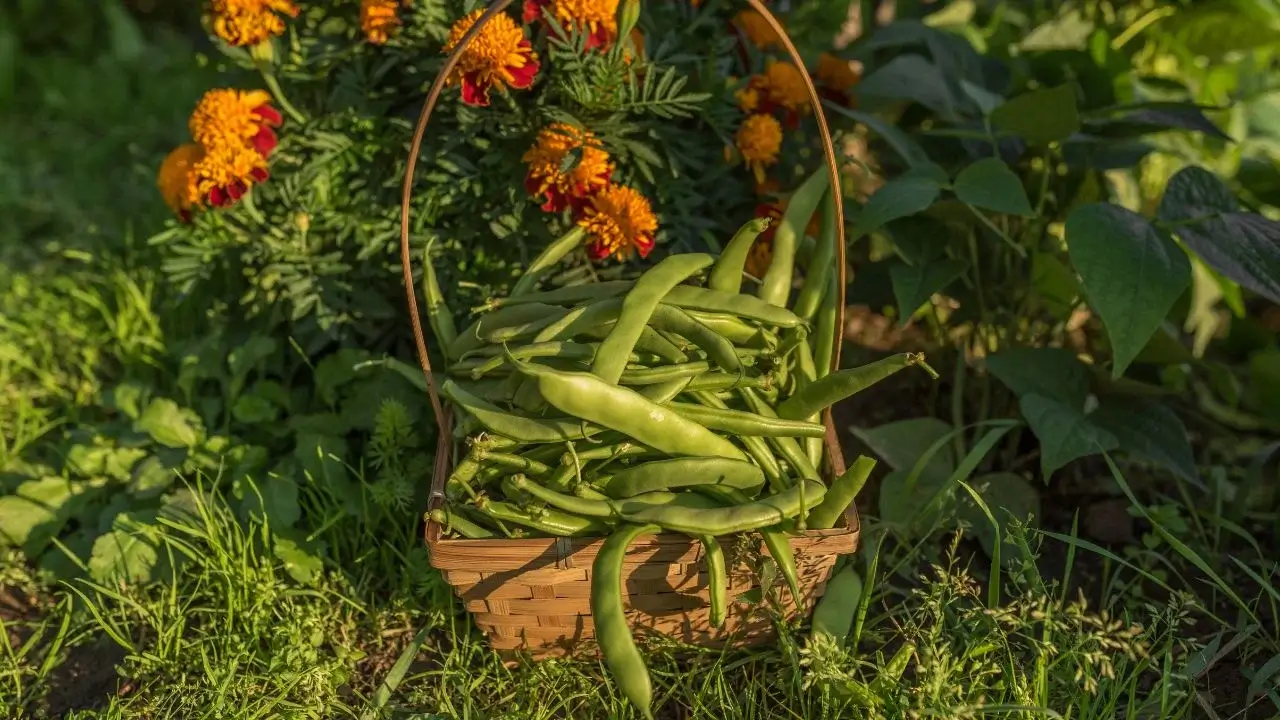
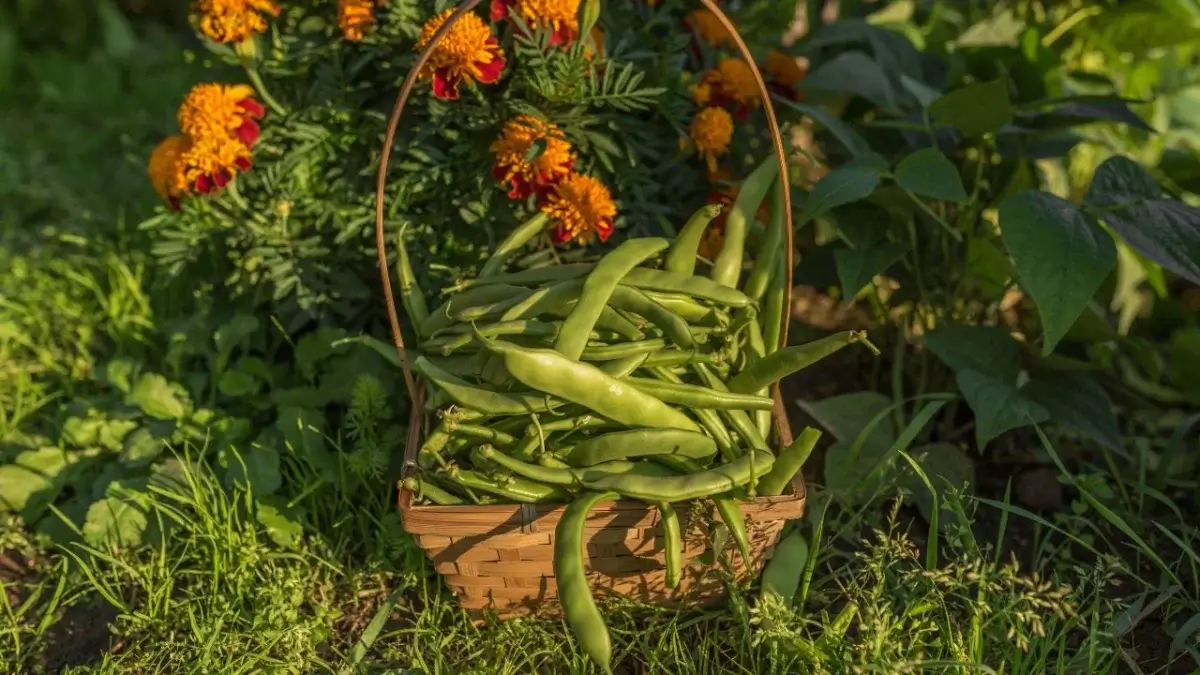
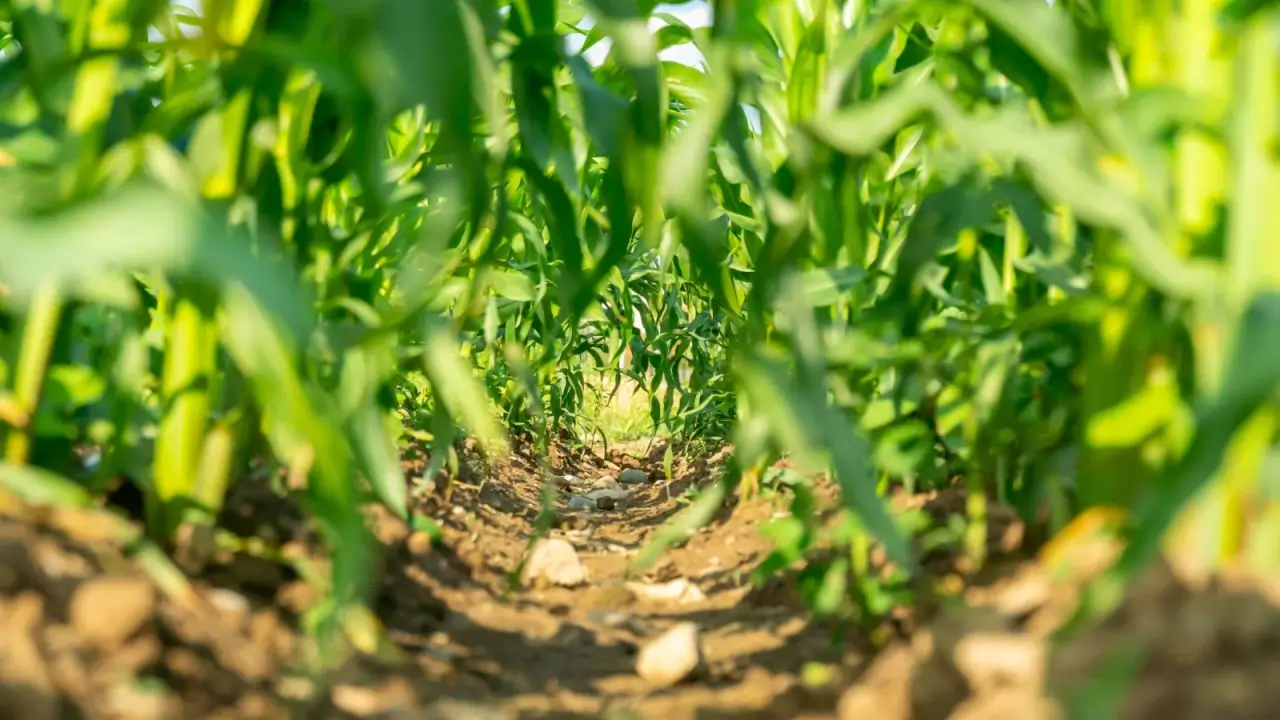
Crops like beans, corn, and melons are traditionally sown directly into the soil. As the ground temperature warms, these seeds are primed to germinate rapidly.
- Weeks 1-2: Focus on long-season crops like watermelons and corn that require consistent, uninterrupted growth to reach their peak sugar content.
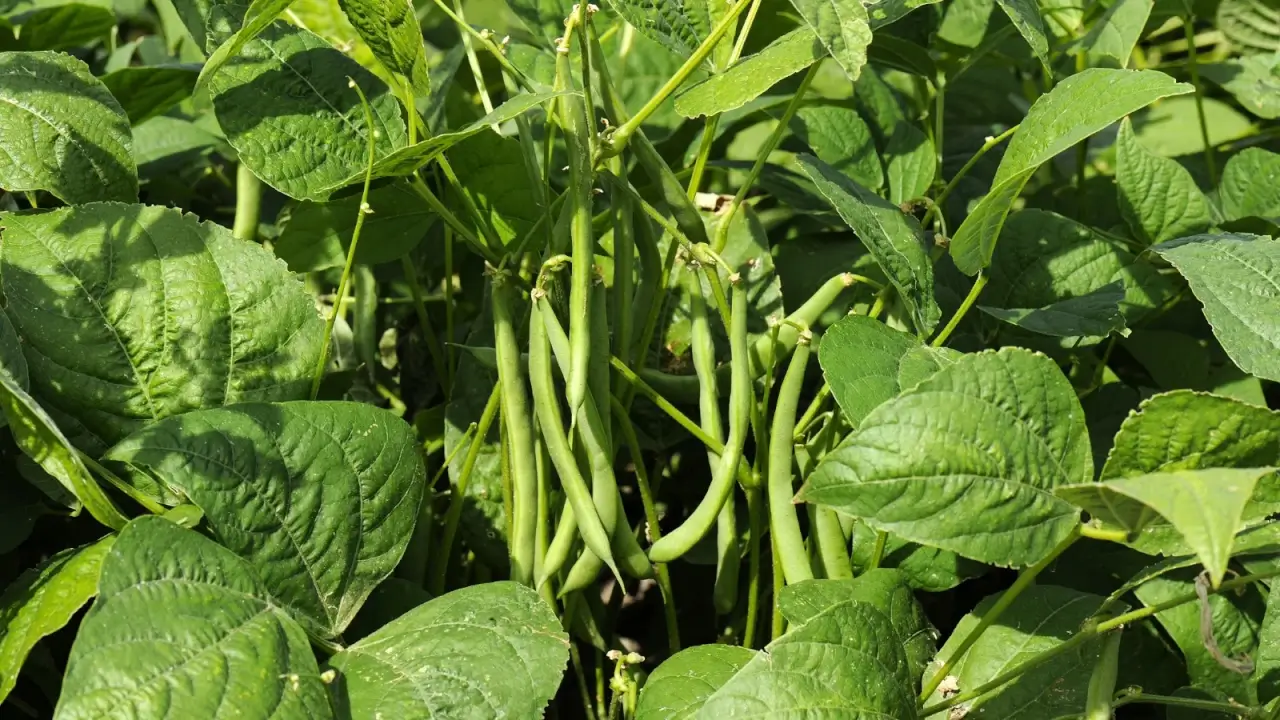
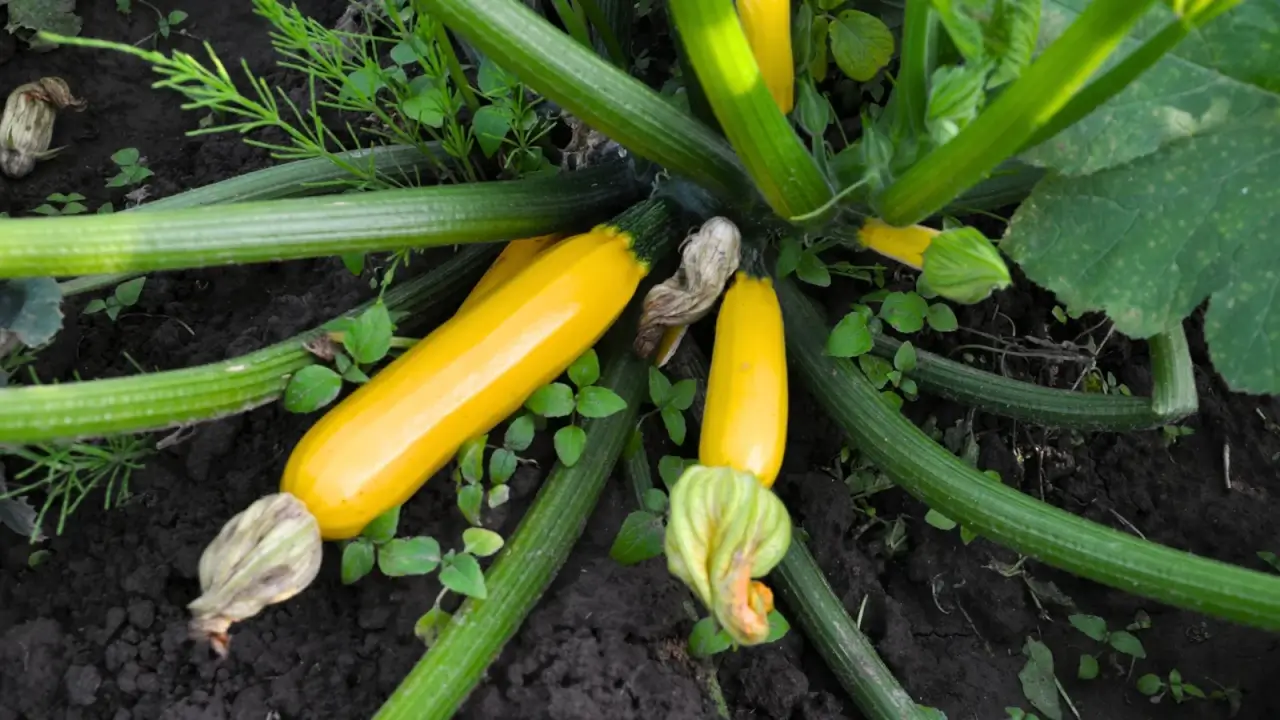
- Weeks 3-4: This is the prime time for "succession planting"—sowing fast-maturing crops like beans and summer squash to ensure a continuous supply for market stands through late summer.
Supporting Data: Selecting the Right Varieties
Success in the field is often dictated by genetic selection. Here are the specific categories of crops that define a productive May planting strategy:
1. Melons: The Heat-Lovers
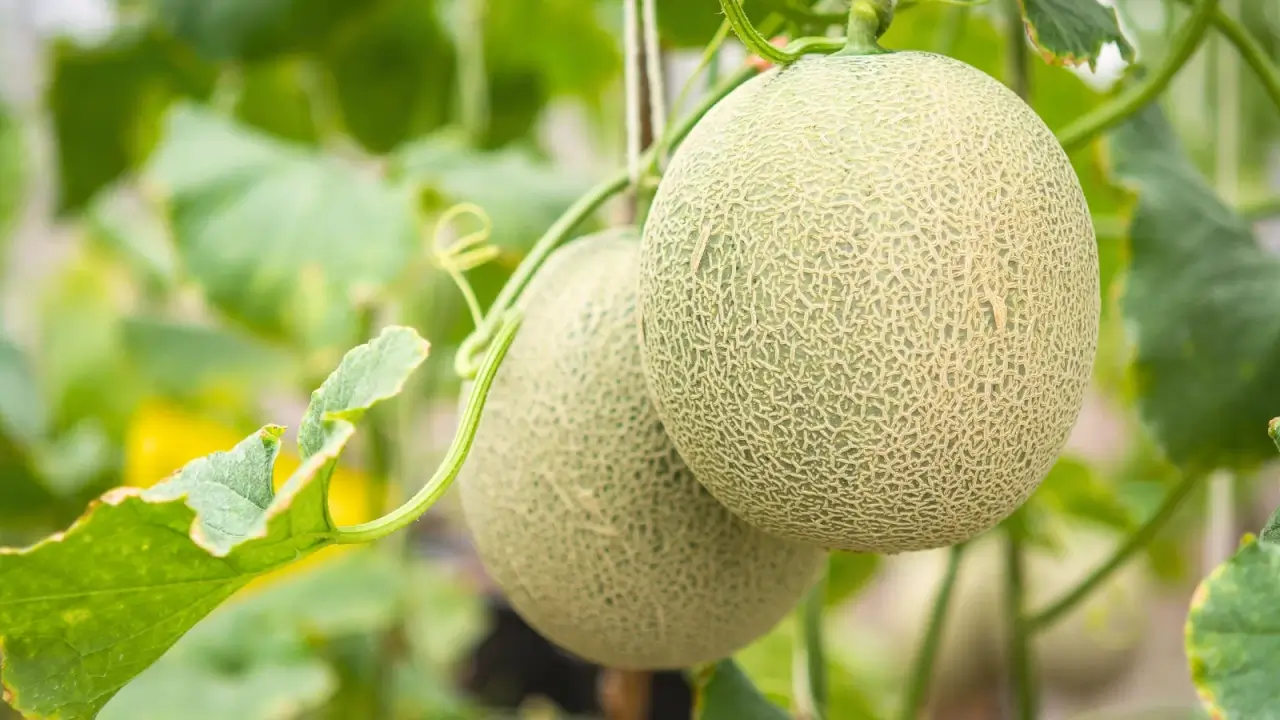
Cantaloupe, honeydew, and watermelon are the quintessential sun-worshippers. They require significant space and consistent fertilization.
- Management: Weekly applications of diluted, balanced fertilizer encourage the rapid vine growth necessary for fruit set.
- Soil Considerations: Watermelons thrive in sandy, well-draining soils, which also provide the added benefit of handling coastal winds. Musk melons, however, prefer nutrient-dense, rich soil to develop their complex flavor profiles.
2. Eggplants: The Solanaceous Staple
For growers seeking productivity, variety selection is paramount.
- For High Output: The ‘Epic’ variety is renowned for its resilience and heavy production.
- For Size: ‘Nadia’ remains a standard for large-format, high-yield fruits.
- For Challenging Climates: In regions where the ideal 75–85°F (24–29°C) range is inconsistent, ‘Orient Express’ and ‘Elondo’ are superior choices due to their ability to set fruit in cooler, marginal conditions.
3. Okra: The Summer Survivor
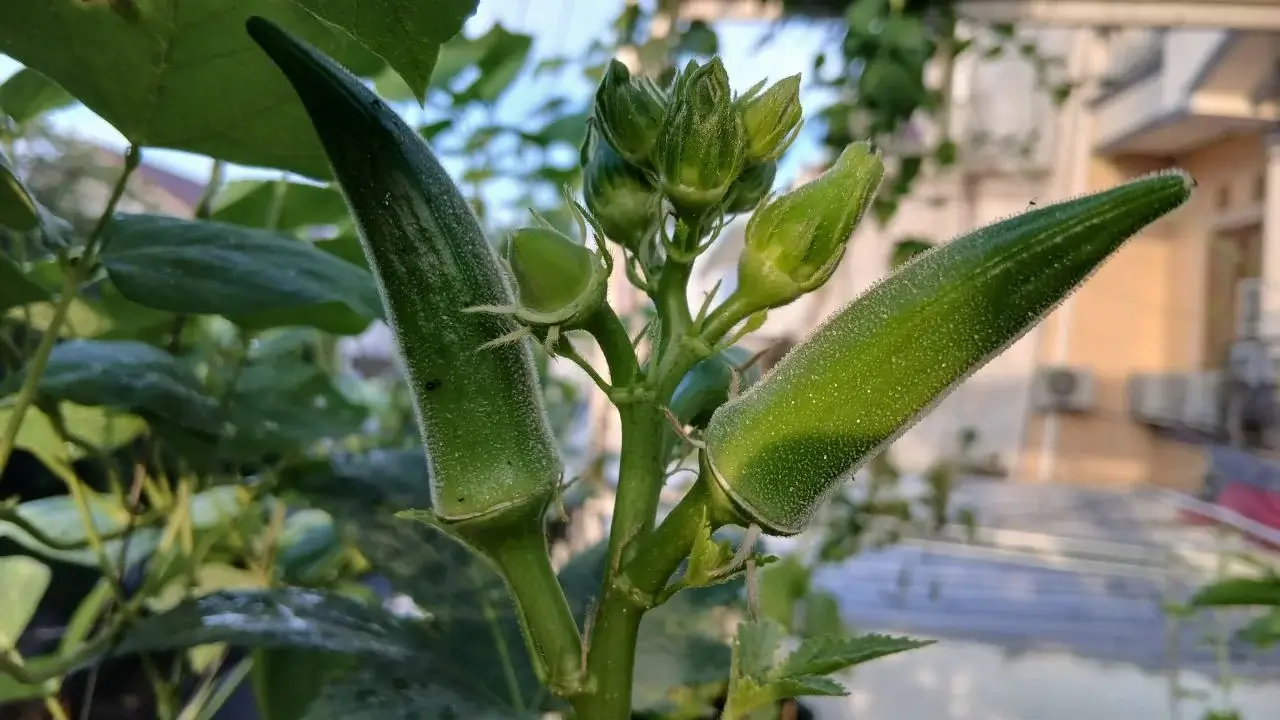
Okra is synonymous with heat. It is a highly productive crop that, once established, can become overwhelming.
- Pro-tip: To avoid the laborious harvesting of spiny pods, which can cause skin irritation, prioritize spineless cultivars like ‘Clemson Spineless 80.’ This simple choice significantly improves harvest efficiency.
4. Grains and Specialized Crops
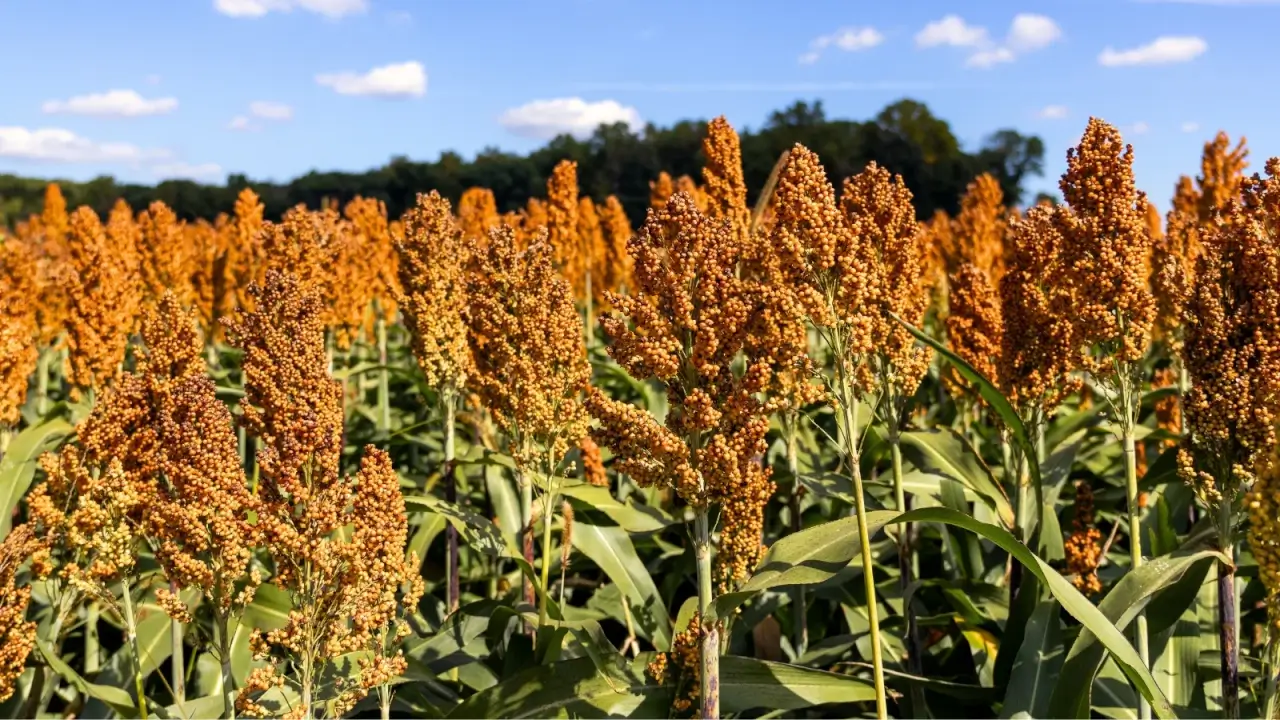
May is not solely for vegetables. For those in arid regions, sorghum and millet are exceptionally drought-tolerant. In cooler, temperate zones, May provides the perfect, shorter-season window for oats and buckwheat. Amaranth, a dual-purpose crop, serves both as a vibrant ornamental for floral arrangements and a nutrient-dense edible leaf or seed source.
Implications for the Modern Farm Ecosystem
Integrating these crops into your farm plan carries implications that extend beyond simple caloric production.
Economic Implications
Diversifying with "atypical" crops can hedge against market saturation. While staple crops like corn and beans provide a baseline of security, niche crops—such as heirloom grains or unique eggplant varieties—can command higher price points at the market stall. Furthermore, learning to cultivate a new, challenging crop offers a long-term "knowledge asset" to the farmer, building expertise that makes the farm more resilient to future environmental shifts.
Ecological Integration
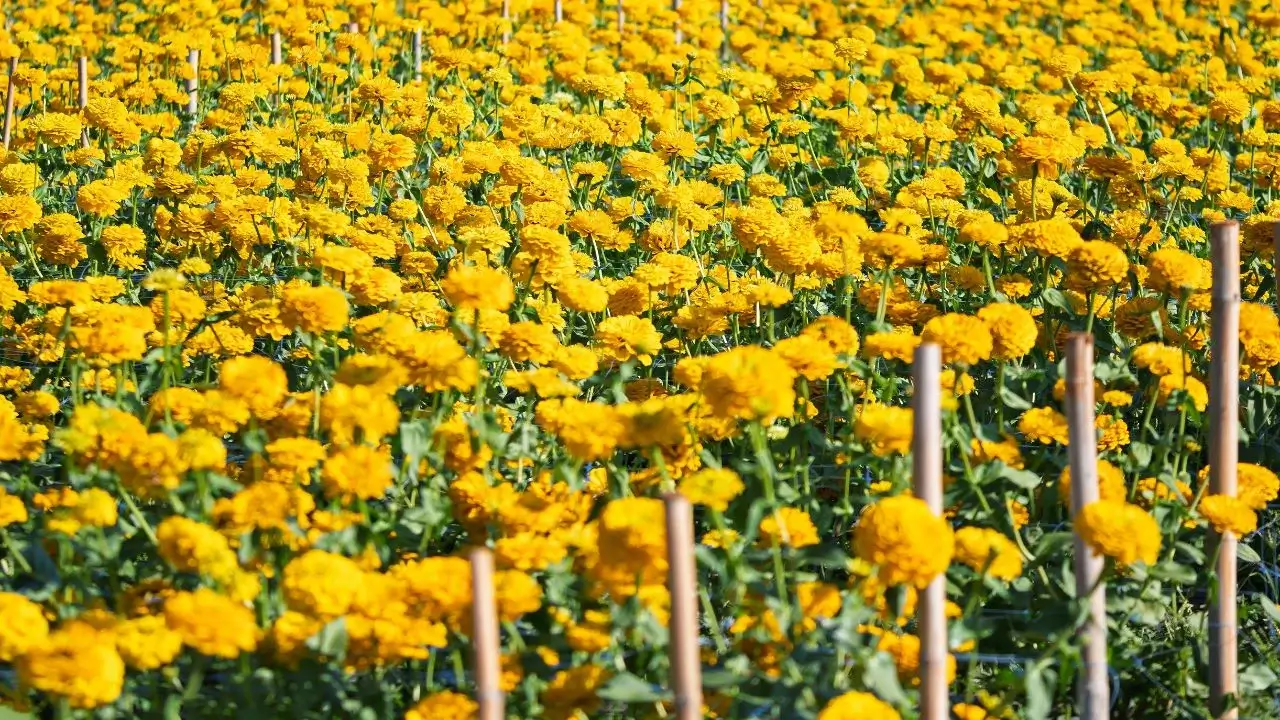
The inclusion of flowers—specifically sunflowers, zinnias, and cosmos—is not merely an aesthetic choice. These plants serve as "pollinator powerhouses." By planting these alongside your produce, you create an environment that attracts beneficial insects and natural predators, which can significantly reduce the need for external pest management. Marigolds and borage, in particular, are excellent companions for the May garden, acting as deterrents for common garden pests while keeping the local ecosystem in balance.
Expert Insight: The Long-Term View
For farmers operating in regions with short growing seasons, the message is clear: do not delay. The "two-month rule" is a helpful heuristic—if your period between the last spring frost and the first autumn frost is less than two months, your focus should be on rapid-maturing varieties and season-extension infrastructure like high tunnels or cloches.
Conversely, in areas where heat is the primary challenge, the focus must be on deep-rooting varieties and water management. Indigenous crops, such as the tepary bean of the American Southwest, serve as a masterclass in adaptation. These plants have been selected over centuries to thrive in arid conditions, low moisture, and high daytime temperatures—proving that the most effective strategy for the future of farming is often rooted in the traditional knowledge of the past.
Conclusion: A Foundation for Success
May is the month of momentum. By carefully selecting varieties that match your specific microclimate, managing your soil with nutrient-dense amendments, and balancing your field between high-yield staples and high-value experimental crops, you establish a foundation for a robust, profitable season.
As you walk your rows this month, remember that every seed placed in the ground is a commitment to the food system. Whether you are feeding your family or your local community, the attention you pay to the specific needs of your May plantings will be rewarded in the abundance of the summer and autumn harvest.
For those looking to optimize their operation further, we recommend exploring the "Solutions Hub" at Modern Farmer, where we catalog the latest innovations in sustainable agriculture. We encourage our readers to share their successes—and their lessons learned—by submitting their own experiences to our editorial team.

 Asep Darmawan

 Layla Zulfa