
 Lina Hope

 Jia Lissa

 Pevita Pearce

 Ammar Sabilarrohman

 Nana
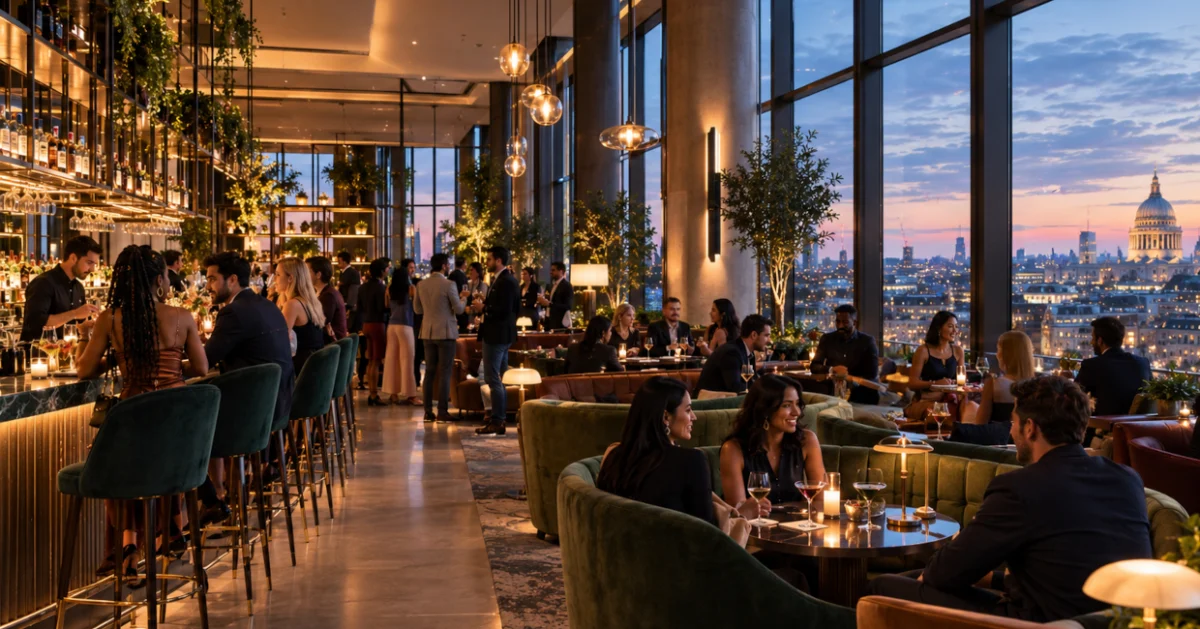
For over a decade, the interior design of the modern hospitality sector has been governed by a visual-first mandate. From the industrial-chic exposed brick of urban bistros to the polished concrete floors of high-end cocktail bars, the industry has prioritized aesthetic "Instagrammability" over the fundamental human need for acoustic comfort. The result? A generation of dining rooms that dazzle the eye but exhaust the ear.
However, a quiet revolution is underway. Operators who have spent years quietly investing in acoustic remediation—installing sound-absorbing panels, treating ceilings, and commissioning technical reports—are finally gaining a way to broadcast their efforts. With the launch of the Sownd Certification, the hospitality industry is moving toward a standardized, transparent metric for acoustic performance, turning "quiet" into a competitive advantage.
The Hidden Cost of Noise: A Business Perspective
While design trends have often favored hard, reflective surfaces, the bottom line tells a different story. Noise is not merely an inconvenience for the diner; it is a significant drain on revenue.
Research published in Scientific Reports highlights a startling correlation between decibel levels and consumer behavior. Data indicates that a customer’s willingness to spend begins to plummet as soon as a room exceeds the threshold of normal, comfortable conversation. More alarmingly, once ambient noise pushes past the 62 dB mark, customers have been observed spending less than a quarter of their intended budget.
The social consequences are equally damaging. According to the RNID SpeakEasy report, a staggering 91% of patrons indicate they would refuse to return to a venue they deemed "too loud." In an industry where repeat business is the lifeblood of profitability, noise is effectively acting as a deterrent to customer retention.
"Noise is a business problem, not just a comfort issue," explains Ben Hancock, Managing Director of Oscar Acoustics. "It affects dwell time, average spend, repeat visits, and ultimately, whether the customer ever comes back at all."
Chronology: From Aesthetic Obsession to Acoustic Awareness
The current state of hospitality acoustics is the result of a decade-long drift in design philosophy.
- 2015–2020: The Industrial Era. The trend toward hard, minimalist materials reached its zenith. While visually striking, these spaces acted as echo chambers, bouncing sound waves off every surface.
- 2021–2023: The Awakening. As venues reopened following global disruptions, operators began to notice that staff were struggling with communication, and guests were opting for quieter, more intimate settings. Anecdotal evidence of "acoustic fatigue" began to surface.
- 2024: The Evidence Gap. Operators began retrofitting their venues with acoustic dampening solutions. However, they found themselves in a marketing vacuum: they had spent thousands on soundproofing, yet had no way to communicate this to potential diners, who continued to rely on visual photos and star ratings that failed to capture the auditory experience.
- 2026: The Certification Milestone. The launch of the Sownd Certification provides the bridge between technical investment and consumer awareness. It represents the first time that acoustic performance is being treated with the same institutional rigor as food hygiene ratings.
The Human Impact: Beyond the Bottom Line
Acoustic design is not just about maximizing revenue; it is a matter of inclusivity and staff welfare. The modern workplace in hospitality is notoriously high-pressure, but when high noise levels are added to the mix, the mental strain becomes palpable.
Alice Passey, owner of SJQ, describes the transformation of her venue after acoustic treatment: "The transformation is amazing. My staff previously experienced difficulty in focusing and mental fatigue after a busy, noisy shift. They can now easily hear and communicate with customers, which has fundamentally changed the atmosphere of the floor."
Furthermore, the issue is one of accessibility. With one in three people in the UK experiencing some form of hearing loss, tinnitus, or deafness (RNID, 2025), venues that ignore acoustics are effectively alienating a massive segment of the population. An acoustically treated room is an inclusive room, opening the doors to guests who previously felt excluded from the social experience of dining out.
Consumer Sentiment: A Demand for Transparency
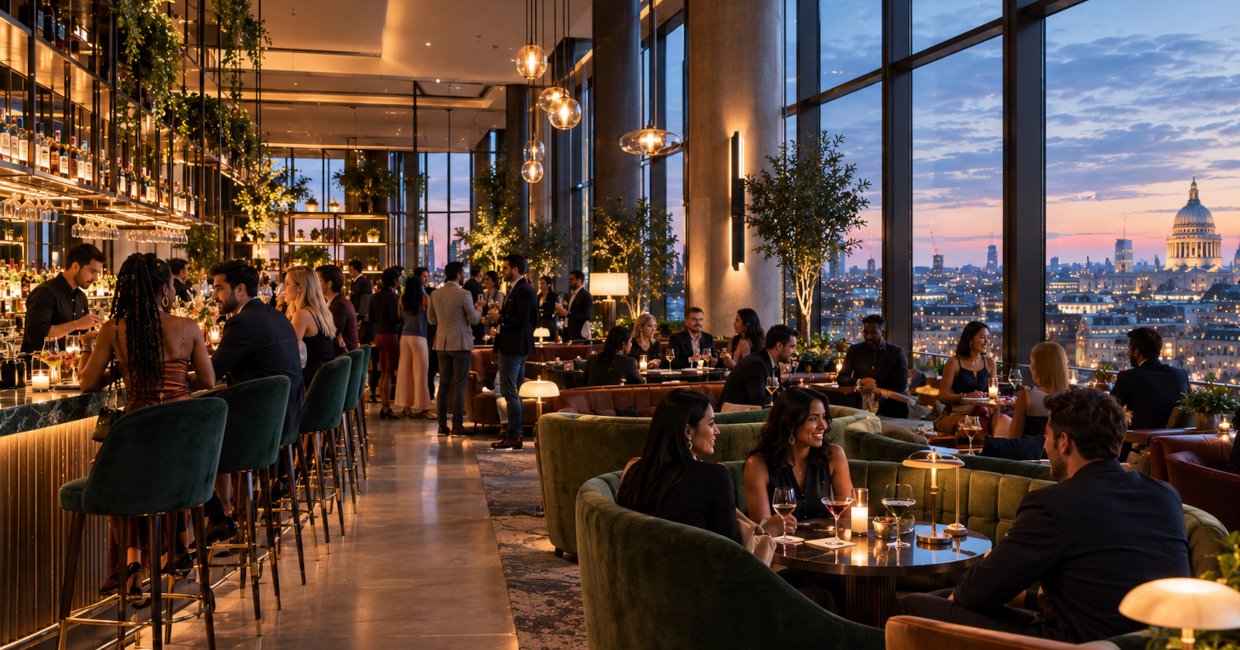
The industry’s move toward certification is not happening in a vacuum; it is being driven by a clear shift in consumer demand. A survey of 2,000 UK adults commissioned by Oscar Acoustics in August 2026 revealed that 66% of respondents would consider an "acoustic comfort rating"—similar to a food hygiene score—when choosing where to dine or drink.
The demographic breakdown is even more revealing. Among the 25-to-34-year-old cohort, the figure climbs to 76%. This generation, known for being discerning and research-oriented, is clearly signaling that the auditory environment is a primary factor in their decision-making process. They are no longer willing to pay for a "great vibe" if they cannot hear their companions.
The Sownd Certification: How It Works
The Sownd Certification is designed to be an independent, rigorous standard for acoustic performance and audio inclusivity. For operators who have already invested in soundproofing, the process is streamlined. If an existing acoustic report confirms that the space meets the required standards, the venue may qualify for certification immediately.
For venues that fall just short of the mark, the assessment acts as a roadmap, identifying the precise areas—such as wall treatments or ceiling baffles—that require attention to close the gap. This provides a clear, actionable path to certification, removing the guesswork from venue improvement.
Implications: The Future of Venue Design
As the Sownd Certification gains traction, the ripple effects across the hospitality industry will be significant:
- Standardized Benchmarking: Just as "Michelin stars" denote culinary excellence, "Sownd Certified" status will soon become a shorthand for quality in customer experience.
- Design Re-evaluation: Architects and interior designers will be forced to move away from "form over function" designs. Acoustic planning will need to be integrated into the initial blueprints of new builds, rather than treated as an afterthought.
- Increased Dwell Time: By lowering the ambient noise floor, venues will naturally increase the comfort level of their guests. Research consistently shows that when guests are comfortable, they stay longer, order more, and are more likely to recommend the venue to others.
- Operational Efficiency: As Passey noted, better acoustics improve staff focus and communication. This leads to fewer errors, faster service, and a lower staff turnover rate, as the workplace environment becomes less taxing.
Getting Started: The SOWND Advantage
To help operators navigate this transition, Sownd Affects is hosting a specialized session titled "The SOWND Advantage." Scheduled for Tuesday, 20th October (10:30–11:30 BST), the event will be hosted by founder Marion Marincat.
The 45-minute masterclass is designed to be a practical guide for hospitality leaders. It will cover:
- The Baseline: How to gauge where your current venue stands without the immediate need for an expensive, new, full-scale survey.
- Prioritization: Identifying which acoustic interventions provide the most significant return on investment.
- Cost Management: A breakdown of typical costs associated with achieving certification.
- The Certification Process: A step-by-step look at the requirements and the benefits of being an early adopter.
The session will conclude with 15 minutes of live Q&A, allowing operators to address specific concerns related to their venues. In a crowded marketplace where differentiation is increasingly difficult, the Sownd Certification offers a tangible way to prove that a venue is not just "open for business," but designed for the human experience.
Register for the free session here.
As the industry moves toward 2027, one thing is clear: the age of the echo chamber is ending. The future of hospitality is quiet, comfortable, and, above all, clear.


 Nana Wu

 Dwi Wanna