

 Nana Wu

 Dwi Wanna

 Suro Senen

 Evan Lee Salim

 Ali Ikhwan
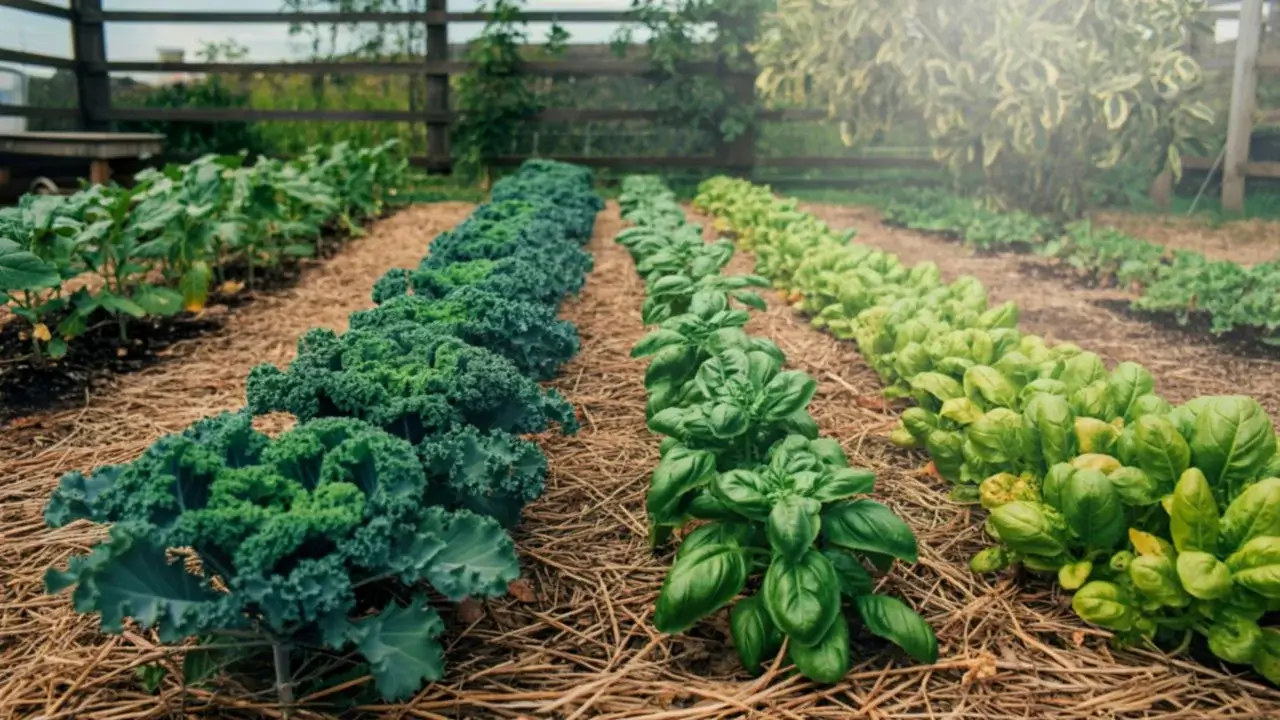
For the modern small-scale farmer, the difference between a seasonal hobby and a viable, revenue-generating enterprise often comes down to the efficiency of land utilization. While many growers focus their energy on the singular, massive harvest of mid-summer, seasoned agriculturalists know that the true secret to profitability lies in a technique as old as cultivation itself: succession sowing. By moving away from the "one-and-done" planting model, farmers can transform their acreage into a high-output, continuous production cycle that keeps market stands full and revenue streams flowing from the first thaw until the final frost.
The Core Philosophy: Why Succession Sowing Matters
At its most fundamental level, succession sowing is the practice of staggering the planting of crops to ensure a steady, continuous supply of harvestable produce. Rather than planting a full bed of lettuce in April—only to have it all reach maturity simultaneously in May, leading to waste and market saturation—the succession-focused farmer plants a smaller portion weekly.
This strategy serves two primary functions. First, it manages supply. By spreading out the harvest, the farmer avoids the "feast or famine" cycle, ensuring they always have fresh product for customers. Second, it maximizes the return on investment for every square foot of soil. When a crop is harvested, the space is immediately reclaimed, amended, and replanted, turning a finite amount of land into an engine of consistent output.
Chronology and Timing: The Farmer’s Calendar
To master succession sowing, one must shift their perspective from a static planting calendar to a dynamic "days-to-maturity" (DTM) model.
Mapping the Season
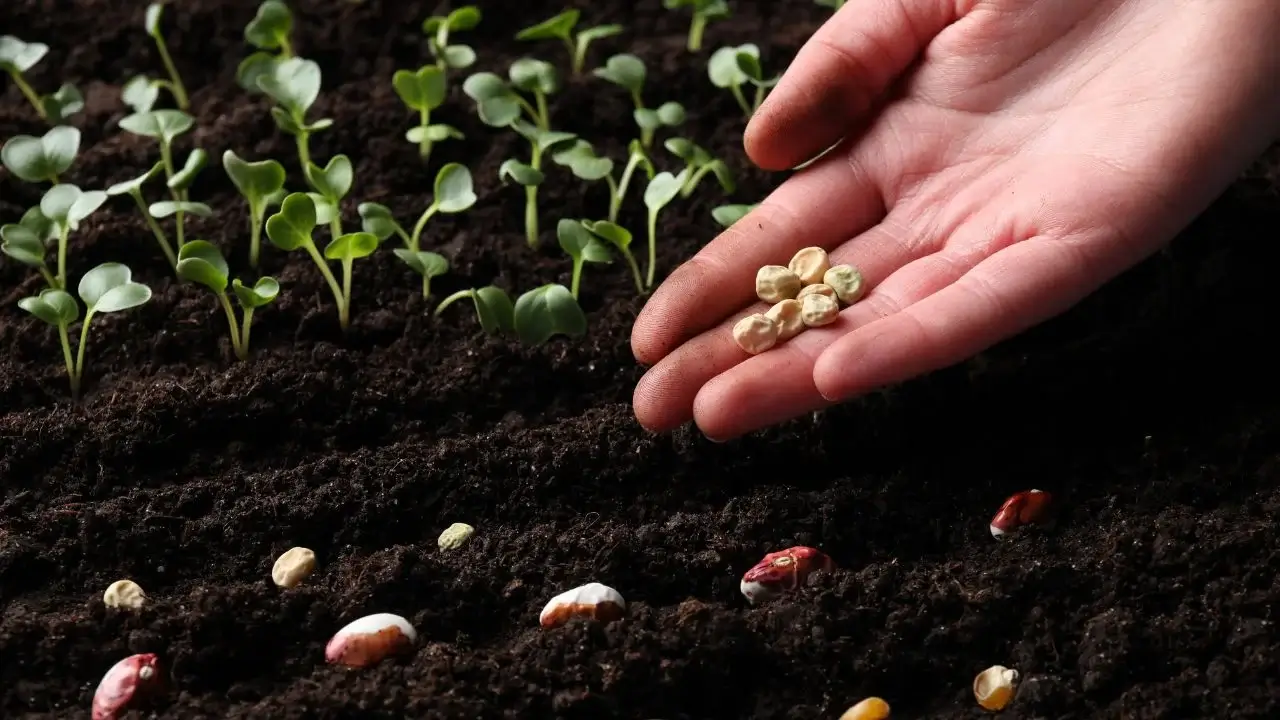
Before picking up a seed packet, a farmer must perform a "season audit." This involves identifying the first and last frost dates for their specific microclimate and calculating the total growing window for each crop. If a crop takes 60 days to reach maturity, and the summer heat makes it unviable after July, the final sowing date must be calculated by counting backward from that heat threshold, not just the frost date.
The Planting Rhythm
The most successful practitioners use a structured, multi-stage approach:
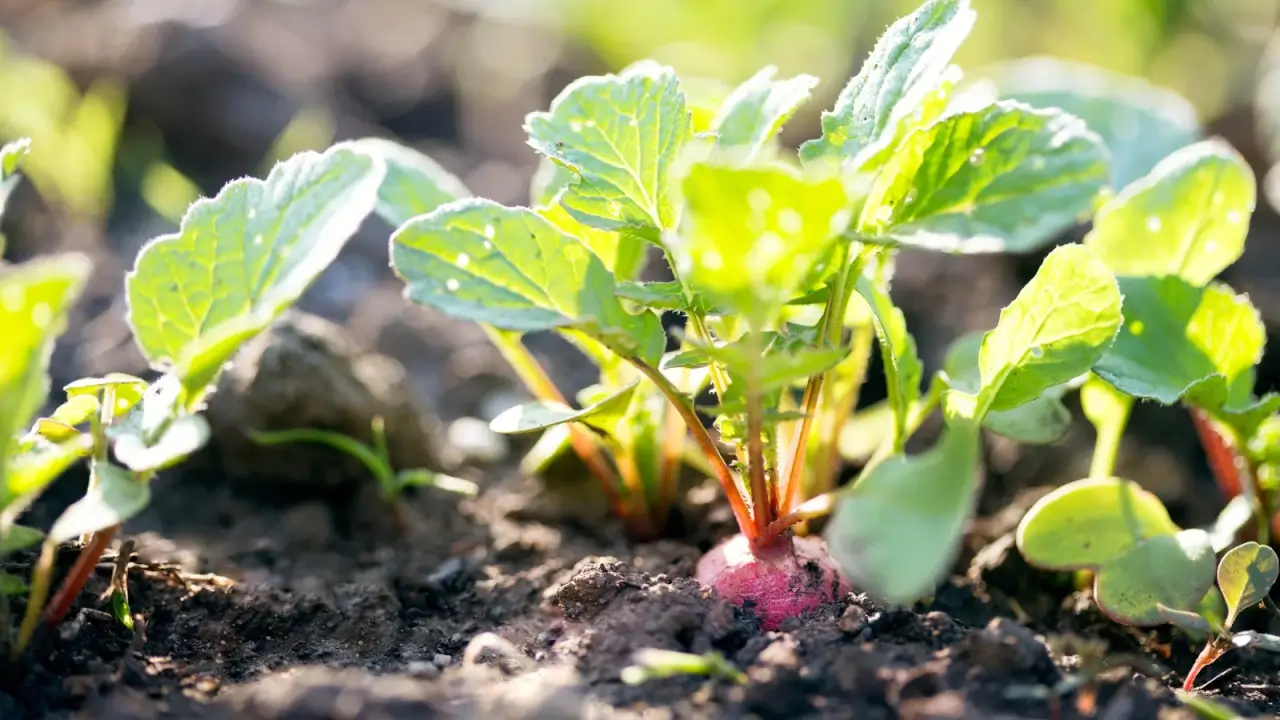
- Early Season (The Pulse): Focus on cool-weather crops like radishes, spinach, and kale. Because these mature rapidly, they can be sown every 7 to 10 days.
- Mid-Season (The Transition): As soil temperatures rise, shift to thermophilic (heat-loving) crops. During this phase, the focus shifts from frequent intervals to companion planting, ensuring that the space left by early spring crops is filled by summer staples like beans or cucumbers.
- Late Season (The Finale): Re-introduce cool-weather crops in late August or September. With the help of season-extension tools like cold frames or low tunnels, this "second spring" can provide significant revenue well into the winter months.
Technical Methods for Implementation
Succession sowing is not a monolithic practice; it requires selecting the method that best aligns with the farm’s labor capacity and market demand.
1. Interval Sowing (The "Little and Often" Method)
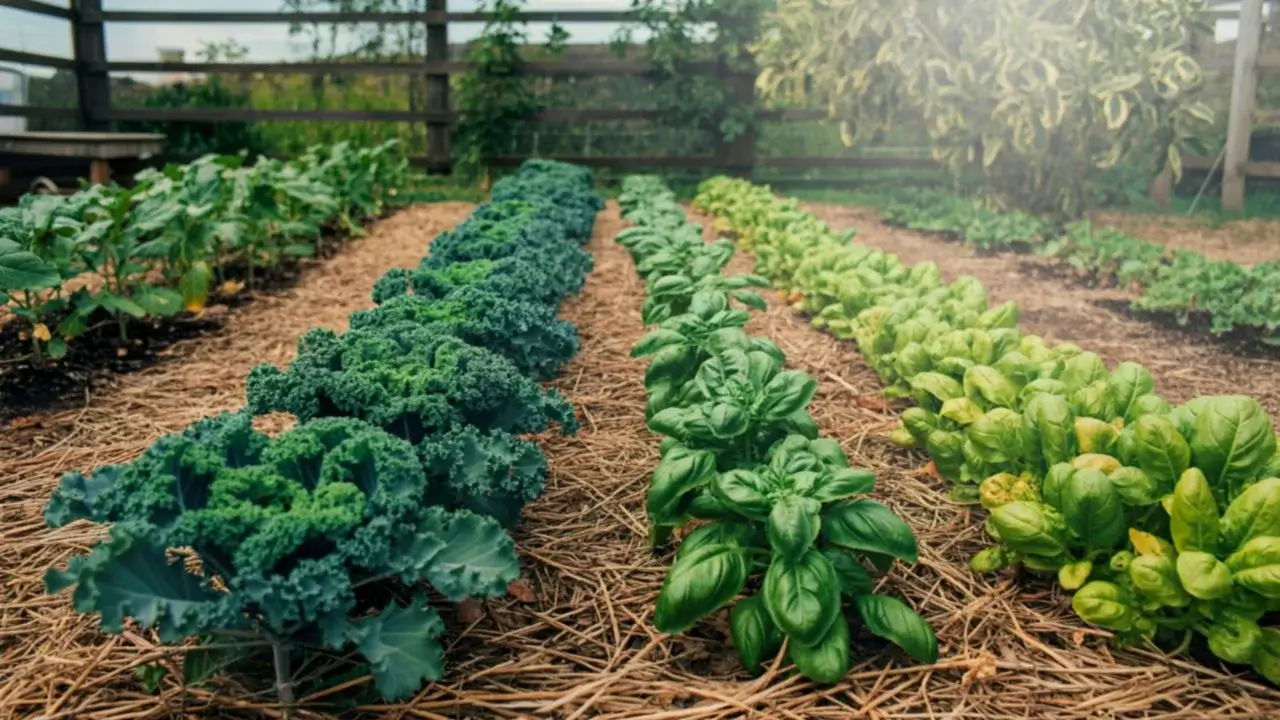
This is the most common technique for short-cycle crops. By sowing a portion of a bed every week, the farmer ensures a consistent, manageable harvest. This is ideal for quick-maturing vegetables such as radishes, baby greens, and scallions. The goal is to keep the pipeline full without overwhelming the labor force during harvest time.
2. Crop Rotation and Sequential Bed Use
This method involves planting different crops in the same space in a single season. For example, a grower might harvest a bed of early-spring spinach, clear the residue, amend the soil with compost, and immediately transplant summer beans. This maximizes nutrient uptake and ensures that no square foot of soil remains idle for more than a few days.
3. Intercropping: The Symbiotic Approach
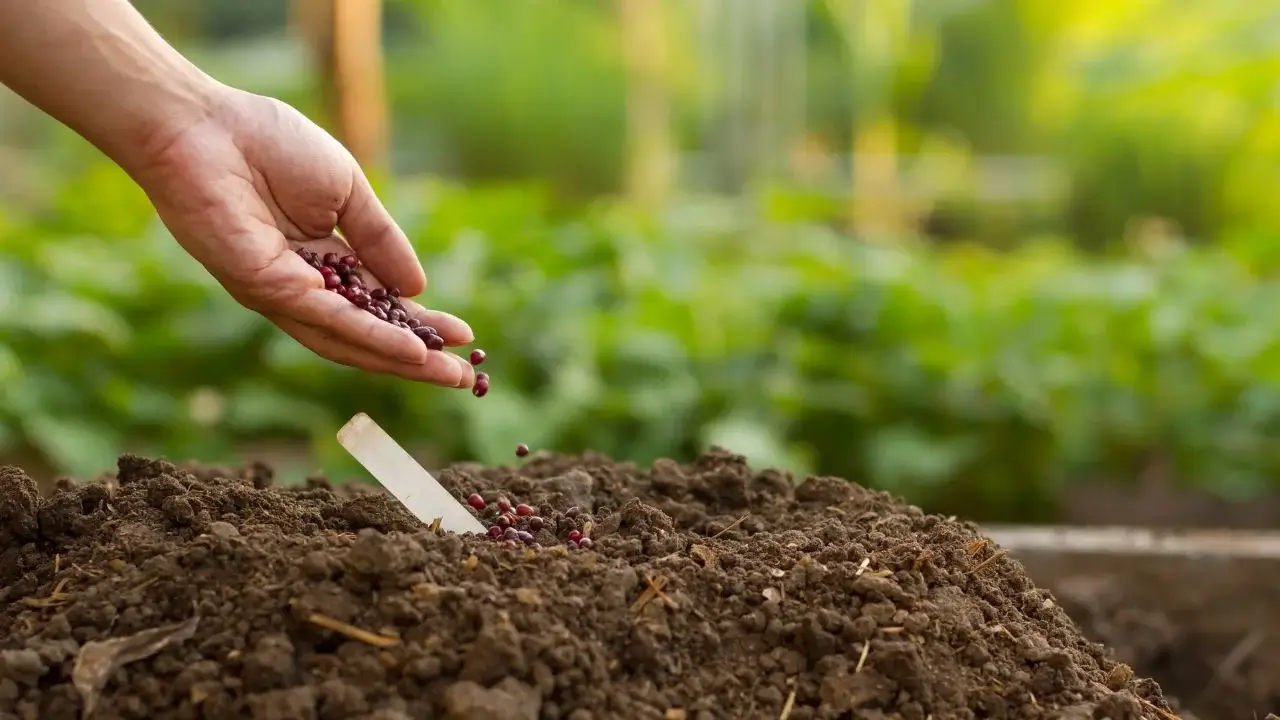
Intercropping is the advanced tier of succession sowing. It involves planting two crops in the same space at different times. A classic example is planting a tall, slow-growing crop like corn or sunflowers, and then sowing a vining crop like pole beans or squash shortly thereafter. By the time the second crop needs to climb or spread, the first is established enough to provide structural support or shade.
4. Varietal Succession
Sometimes, the best way to extend a season is to diversify the genetics of the crop itself. By planting an early-maturing, mid-season, and late-maturing variety of the same vegetable—such as tomatoes or potatoes—a farmer can enjoy a harvest that spans months rather than weeks. This approach also acts as an insurance policy; if a particular variety is hit by a specific pest or disease, the others may remain unaffected due to different genetic profiles.
Supporting Data: Efficiency and Waste Reduction
Data from small-scale market gardens suggests that intensive succession planting can increase total seasonal yield by 30% to 50% compared to traditional, non-successive farming.
The Economics of Space
When land is viewed as a high-value asset, "resting" soil becomes an unnecessary expense. The cost of labor to replant a bed is consistently lower than the opportunity cost of having that bed sit empty. Furthermore, by reducing the volume of a single harvest, farmers significantly decrease the risk of post-harvest food waste. Instead of having 500 pounds of lettuce hit the market at once—forcing a price drop to move the product—the farmer can bring a steady 50 pounds to market each week, maintaining a premium price point and ensuring consistent quality.
Soil Health Implications
Critics of high-intensity farming often point to soil depletion. However, when paired with thoughtful crop rotation—such as following a heavy feeder like cabbage with a nitrogen-fixing legume like peas or beans—succession sowing actually promotes a healthier soil microbiome. The continuous presence of root systems helps maintain soil structure and prevents erosion, while the constant addition of organic matter during the transition between crops feeds the beneficial fungi and bacteria that drive plant health.
Perspectives from the Field
"Succession sowing changed our farm from a seasonal venture into a year-round business," says a lead agronomist from a prominent regional agricultural cooperative. "It forces the farmer to become an analyst. You stop looking at the farm as a landscape and start looking at it as a spreadsheet. Every day, you ask: ‘What is the DTM of this bed, and what is going in it on day 61?’"
However, experts also warn of the "complexity trap." For those new to the method, attempting to manage too many successions at once can lead to burnout. The consensus among successful farmers is to "master the rotation of one crop" before expanding the system. Start with radishes or arugula—crops that offer immediate feedback—before attempting complex intercropping systems with long-season crops.
Long-Term Implications for the Food System
The broader adoption of succession sowing carries significant implications for the future of local food systems. As consumers increasingly demand year-round access to fresh, local produce, the ability of small-scale farmers to provide that consistency is vital.
- Resilience: Farms that practice succession are inherently more resilient to weather fluctuations. If a heatwave wipes out one sowing, the next, which is at a different developmental stage, may survive or be better positioned to recover.
- Sustainability: By maximizing the output of existing land, farmers reduce the pressure to clear new land, preserving natural habitats and biodiversity.
- Economic Viability: For the small farmer, the ability to generate revenue over a longer period stabilizes cash flow, reducing the reliance on high-interest loans to bridge the gap between planting and harvest.
Conclusion: Planting for the Future
Succession sowing is more than just a technique; it is a mindset that prioritizes precision, observation, and adaptability. While it requires rigorous record-keeping and a deep understanding of crop cycles, the rewards are undeniable. For the farmer, it means more consistent revenue, less waste, and a more vibrant, active relationship with the land. For the community, it means a reliable supply of fresh, nutrient-dense food that supports the local economy.

As you look toward the upcoming season, consider not just what you will plant, but when you will plant it, and how that decision will ripple through the months to come. With the right plan in place, your farm can become a model of efficiency, proving that even on a small scale, you can achieve world-class results.

 Nila Kartika Wati
 Layla Zulfa

