 Laily UPN

 Suro Senen

 Muslim
 Raul Delapena Setiawan

 Layla Zulfa
 Asro
Introduction: The Invisible Foundation of Our Food System
Every meal placed upon a kitchen table begins long before it reaches the grocery store shelf. It starts in the quiet, labor-intensive work of the soil—in the fields where farmers and ranchers perform the essential, often invisible work of feeding a nation. Yet, despite their status as the backbone of the American economy and the guardians of our food security, those who work the land are increasingly facing existential threats ranging from urban sprawl to climate volatility.
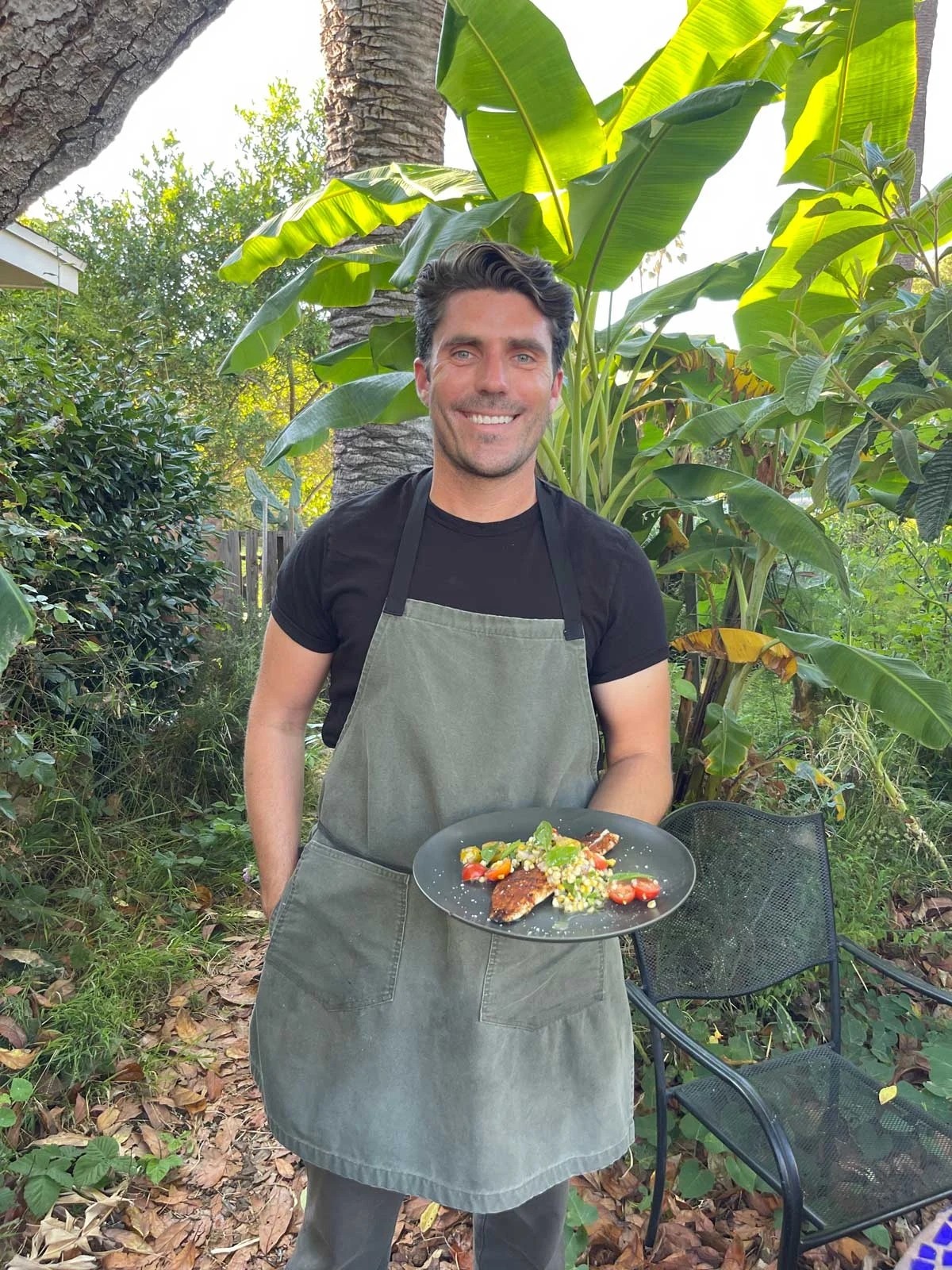
In a new collaborative effort, filmmaker and chef Oliver English is shining a light on these unsung heroes. Through his work with Common Table Creative, English is traveling across the United States to document the intersection of regenerative agriculture and the human experience. His journey is more than just a cinematic endeavor; it is a partnership with the American Farmland Trust (AFT) to highlight the critical necessity of preserving the land that sustains us all.
The Human Element: An Interview with Oliver English
For Oliver English, the connection between a chef’s plate and a farmer’s field is not merely professional—it is personal. As a filmmaker who has spent years exploring the nuances of farm-to-table cuisine, English has developed a profound respect for the stewardship required to produce healthy food. His documentary, Feeding Tomorrow, served as the catalyst for his deeper involvement with AFT.
“Farmers are the backbone of America,” English reflects. “And they are often underappreciated or unseen.”
English notes that the disconnect between modern consumers and the source of their food is one of the most pressing issues of our time. By stepping out from the kitchen and into the fields, he aims to bridge this gap. His current project involves a cross-country tour, visiting diverse agricultural operations to witness firsthand the impact of AFT’s initiatives.
“It’s one thing to read about these programs on a website,” English explains. “It’s another thing entirely to sit at a farmer’s kitchen table and hear that a grant helped to keep their farm running, to protect their land from development, or to transition to more resilient practices. When you hear those stories, the statistics take on a human face.”
A Chronology of Crisis and Conservation
The American agricultural landscape has shifted dramatically over the last half-century. To understand the importance of the work being done by the American Farmland Trust, one must look at the historical trajectory of land use in the United States.
- The Mid-20th Century (Post-WWII): The era of rapid suburbanization began. Thousands of acres of prime agricultural land were rezoned for residential housing and commercial development, setting a precedent that prioritized sprawl over food production.
- 1980: The Founding of AFT: Recognizing that the loss of farmland was not just an environmental issue but a national security and economic crisis, the American Farmland Trust was established. Their founding mission was clear: "No Farms, No Food."
- The 2000s: The Rise of Regenerative Awareness: As the climate crisis intensified, the focus shifted from simple land protection to the promotion of regenerative practices. Scientists and farmers began to understand that healthy soil is the primary tool for carbon sequestration.
- The Present Day: We are currently witnessing an unprecedented "passing of the torch." As a significant percentage of American farmers reach retirement age, the threat of land being sold for development rather than being passed to the next generation of farmers has never been higher.
Supporting Data: The Cost of Inaction
The stakes of this mission are not merely emotional; they are backed by sobering data regarding the trajectory of American land use.
The Vanishing Acreage
According to recent agricultural census data, the United States loses millions of acres of farmland every decade. When a farm is converted into a shopping mall or a housing subdivision, that land is effectively lost forever; it can no longer support the soil biodiversity required for agriculture. This conversion often happens on the most productive, fertile soil near growing metropolitan hubs.
The Financial Barrier
The barriers to entry for new farmers are steeper than ever. The skyrocketing cost of land, combined with the volatility of global supply chains and the unpredictable nature of climate-related extreme weather, makes it increasingly difficult for independent farmers to remain viable. AFT’s research indicates that without structural support, such as conservation easements and viability grants, the small-to-mid-sized family farm could become a relic of the past.
Regenerative Returns
Research into regenerative agriculture—a system of farming principles and practices that increases biodiversity, enriches soils, improves watersheds, and enhances ecosystem services—shows that farms adopting these methods are more resilient. They are better equipped to withstand droughts and floods, ultimately reducing the need for costly synthetic inputs and protecting the bottom line of the farm operation.
Official Responses and Strategic Initiatives
The American Farmland Trust operates on a tripartite mission: protecting agricultural land, promoting environmentally sound farming practices, and keeping farmers on their land. It is the only national organization that synthesizes these three pillars into a unified strategy.
Protecting the Land
AFT works with local, state, and federal partners to secure permanent conservation easements. These legal agreements prevent land from being developed, ensuring that even if the land changes hands, it remains in agricultural production in perpetuity.
Promoting Better Practices
Through its research and technical assistance programs, AFT provides farmers with the knowledge and resources necessary to transition to regenerative methods. This includes cover cropping, no-till farming, and rotational grazing, all of which contribute to long-term soil health.
Keeping Farmers on the Land
Perhaps the most crucial aspect of AFT’s work is its focus on the human component—farm viability. Through grants and succession planning assistance, AFT helps older farmers transition their land to younger generations, ensuring that the legacy of stewardship continues.
“If we lose our farmland, there is no future,” says English. His collaboration with the organization highlights that the survival of the industry depends on a coalition of consumers, advocates, and policymakers committed to the land that sustains us.
Implications: A Call to Action for the Next Generation
The implications of losing our agricultural capacity are profound. A nation that cannot feed itself is a nation at the mercy of global supply chain volatility. Beyond the economics, there is the cultural loss—the erasure of the rural communities and traditions that have shaped the American identity for centuries.
However, the tide is beginning to turn. A growing movement of "conscious consumers" is demanding to know where their food comes from and how it is grown. Programs like those offered by AFT are gaining visibility, and the narrative around agriculture is shifting from one of industrial production to one of ecological stewardship.
How You Can Help
The work of the American Farmland Trust is funded by the support of individuals who recognize that the food on their plate is part of a larger ecosystem. Joining AFT is more than a donation; it is a commitment to ensuring that the next generation has access to fertile land and the expertise to farm it sustainably.
As Oliver English travels from state to state, hearing the stories of farmers who are keeping the spirit of American agriculture alive, he is sending a message to the public: the power to protect our food future is in our hands.
“Join us,” English urges. “Whether you are a chef, a consumer, or simply someone who cares about the future of our planet, your support allows AFT to continue its vital mission. Let’s keep America’s farms and ranches thriving for the next generation.”
To learn more about how you can support this mission, visit farmland.org/edible and become a member of the American Farmland Trust today.
Conclusion: Stewardship as a Legacy
The story of the American farm is the story of the American future. By focusing on the soil, the field, and the farmer, organizations like AFT and storytellers like Oliver English are ensuring that the conversation remains centered on what truly matters: our collective ability to sustain life.
As we look toward the future, the integration of technology, traditional knowledge, and robust advocacy will be the bedrock of our success. The path forward is clear: we must value the land not just for its potential for development, but for its capacity to feed, heal, and connect us. The farmers are waiting in the fields; it is time for the rest of the nation to stand with them.

 Pevita Pearce
 Nila Kartika Wati